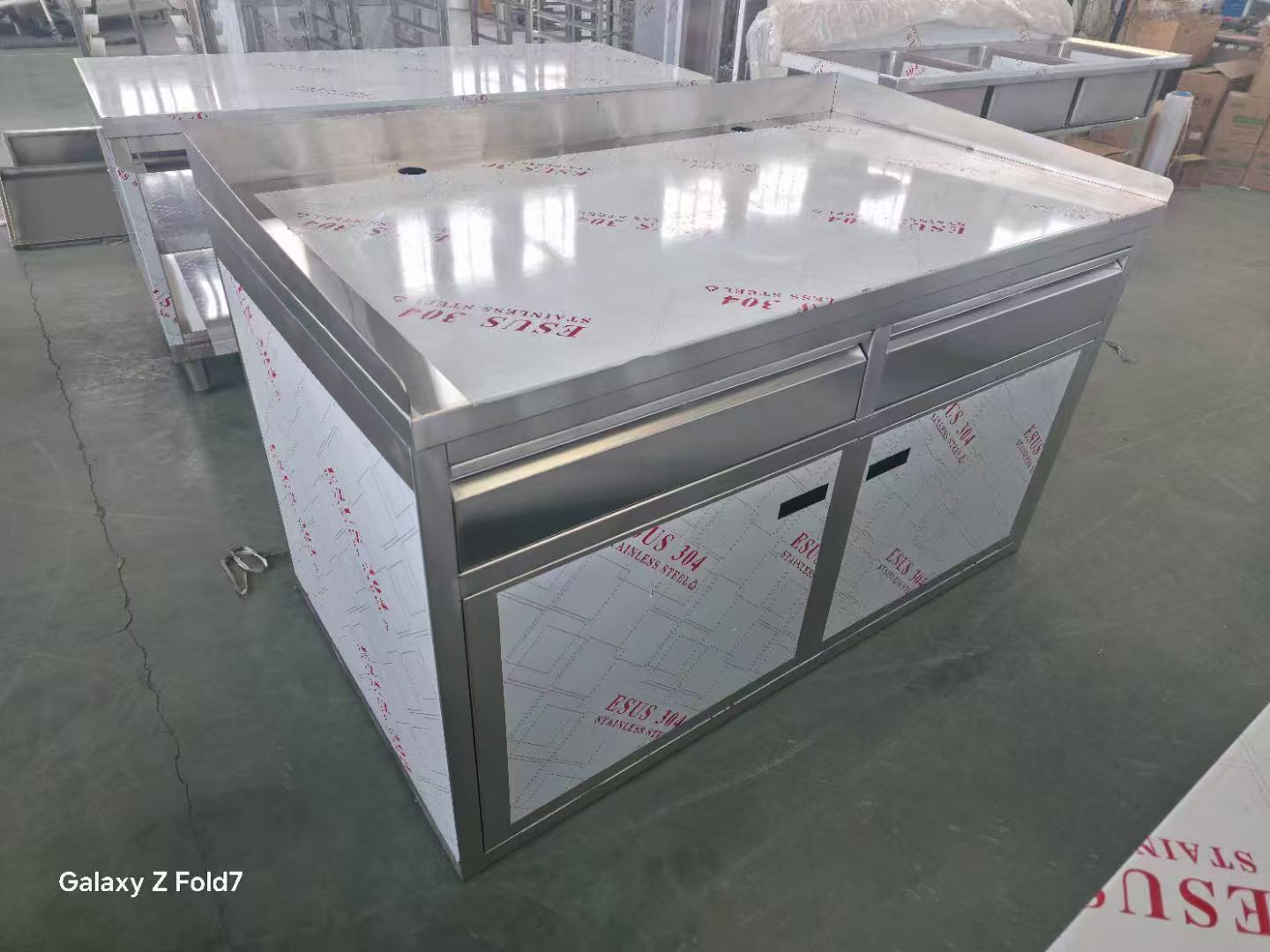
Commercial Stainless Steel Cart Buying Guide
Utility carts are essential for transporting food, equipment, and supplies in commercial kitchens. The two most important considerations are caster wheel material and load capacity.
Caster Wheel Material: Rubber vs Nylon
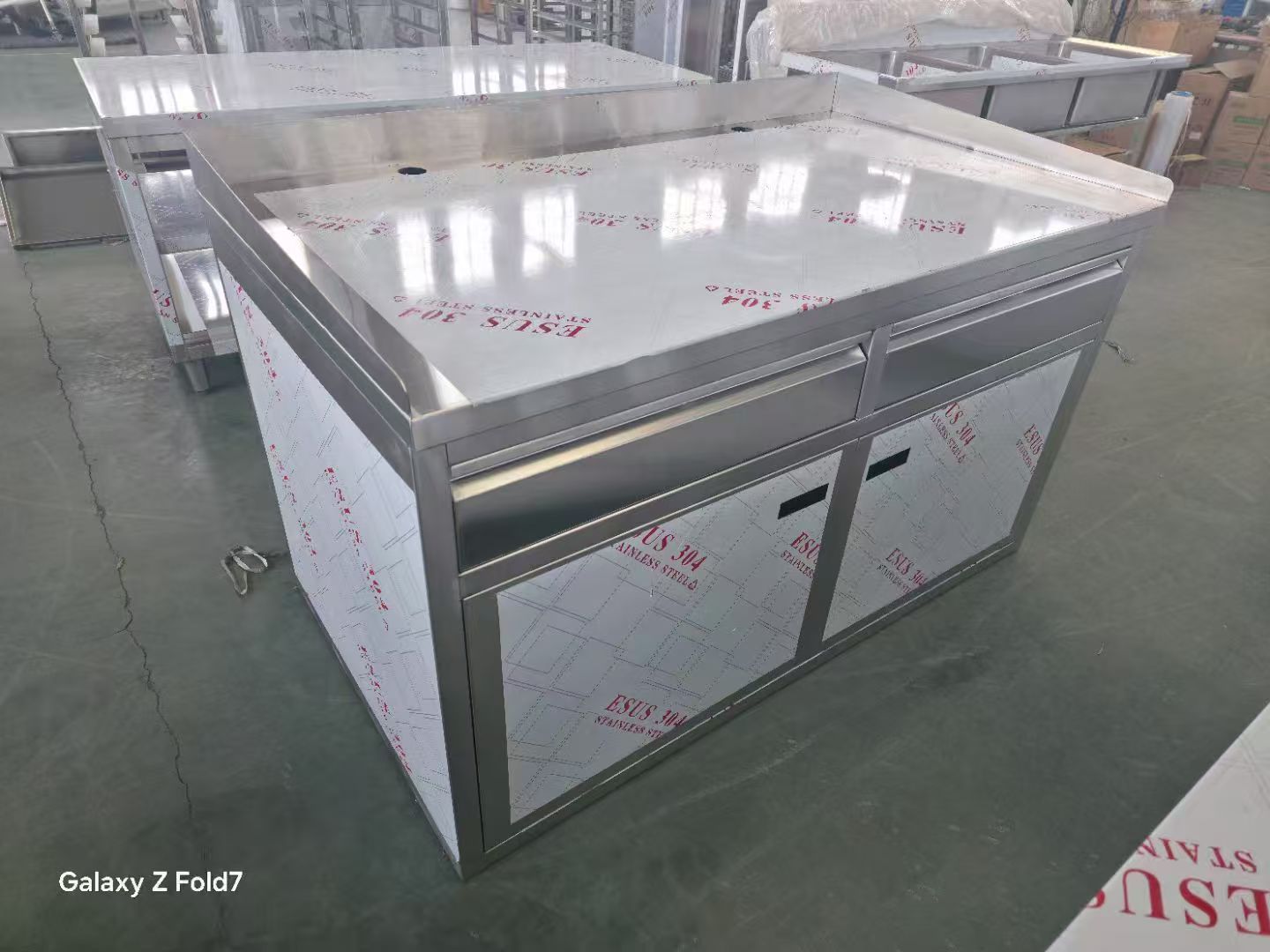
Rubber wheels:
– Noise: Quieter operation, making them ideal for dining areas and front-of-house use
– Floor protection: Softer material is gentler on tile, vinyl, and wood floors
– Grip: Better traction on smooth surfaces, reducing the risk of slipping
– Durability: Wears faster than nylon, especially on rough surfaces
– Temperature: Can be damaged by extreme heat or cold
Nylon wheels:
– Durability: Much longer lifespan, resistant to wear and abrasion
– Load capacity: Can handle heavier loads
– Chemical resistance: Resistant to most kitchen chemicals and cleaning agents
– Noise: Louder operation, especially on hard floors
– Floor damage: Can scratch or mark softer flooring materials
Recommendation: For most commercial kitchen applications, nylon wheels are the better choice due to their durability and chemical resistance. Use rubber wheels for carts that will be used in dining areas or on delicate flooring.
Cart Load Capacity Standards
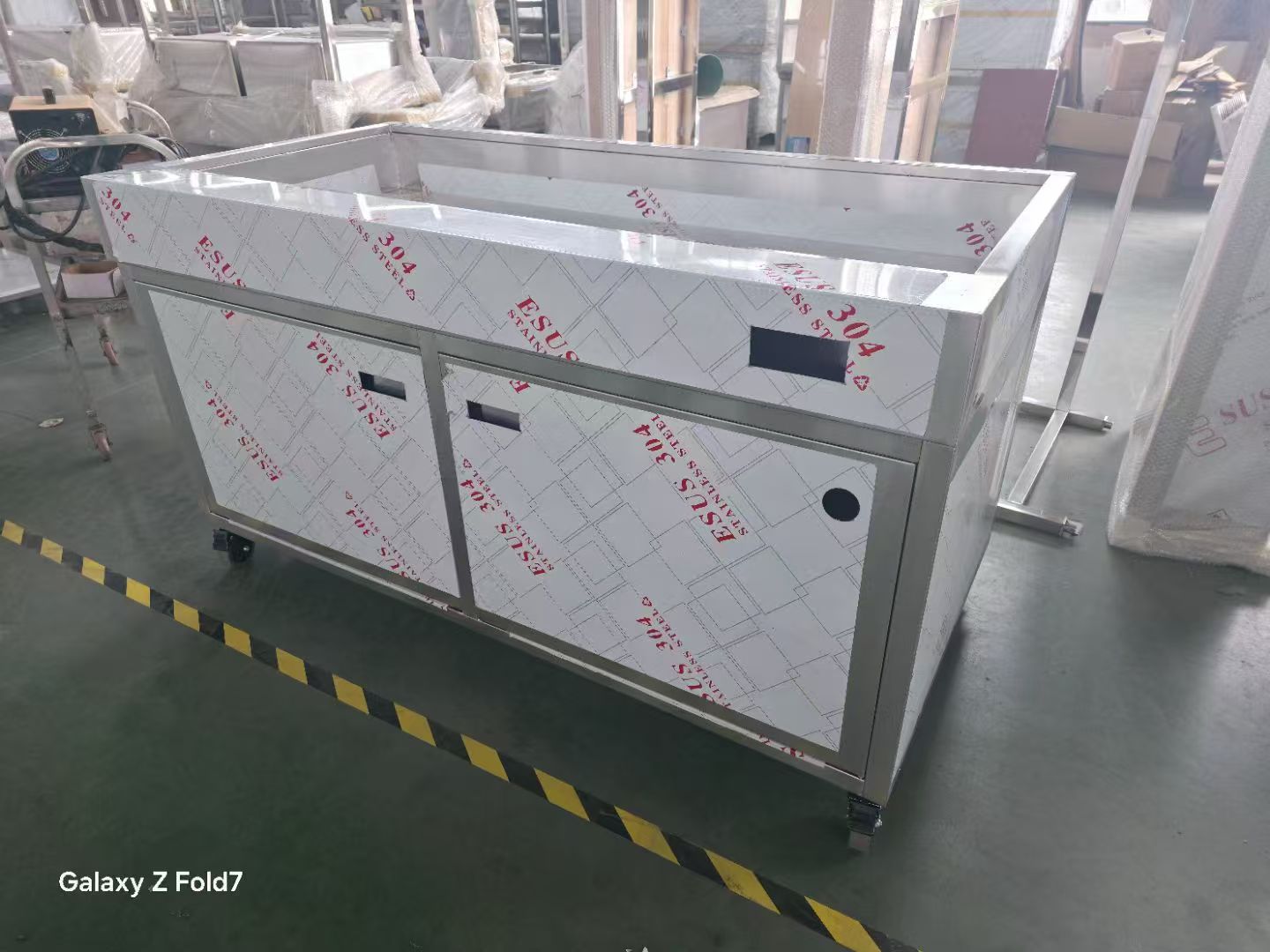
Commercial stainless steel carts are available in various load capacities:
Light-duty carts: 100-150kg capacity. Suitable for transporting small items, trays, and light supplies.
Medium-duty carts: 150-300kg capacity. The most common type for general kitchen use, suitable for transporting food containers, pots, and equipment.
Heavy-duty carts: 300-500kg capacity. Designed for transporting large equipment, kegs, and heavy supplies.
Extra heavy-duty carts: 500kg+ capacity. Used in industrial kitchens and food processing facilities.
When selecting a cart, always choose one with a load capacity at least 20% higher than your maximum expected load to ensure safe operation.
Frequently Asked Questions
Should I choose rubber or nylon caster wheels?
For most commercial kitchens, nylon wheels are recommended for their durability and chemical resistance. Rubber wheels are better for dining areas and delicate flooring.
What is the standard load capacity for commercial carts?
Standard capacities range from 100kg for light-duty carts to 500kg+ for heavy-duty industrial carts. Medium-duty carts (150-300kg) are most common.
How many wheels should a commercial cart have?
Most commercial carts have 4 wheels, with 2 swivel and 2 fixed for stability. Some heavy-duty carts use 5 or 6 wheels for better weight distribution.
Can nylon wheels damage kitchen floors?
Nylon wheels can scratch or mark softer flooring materials. Use rubber wheels on delicate floors or install floor protection.
Related Products
Explore our range of stainless steel kitchen equipment:
Request a Quote
Fill out the form below and we’ll get back to you within 24 hours with a competitive quote.