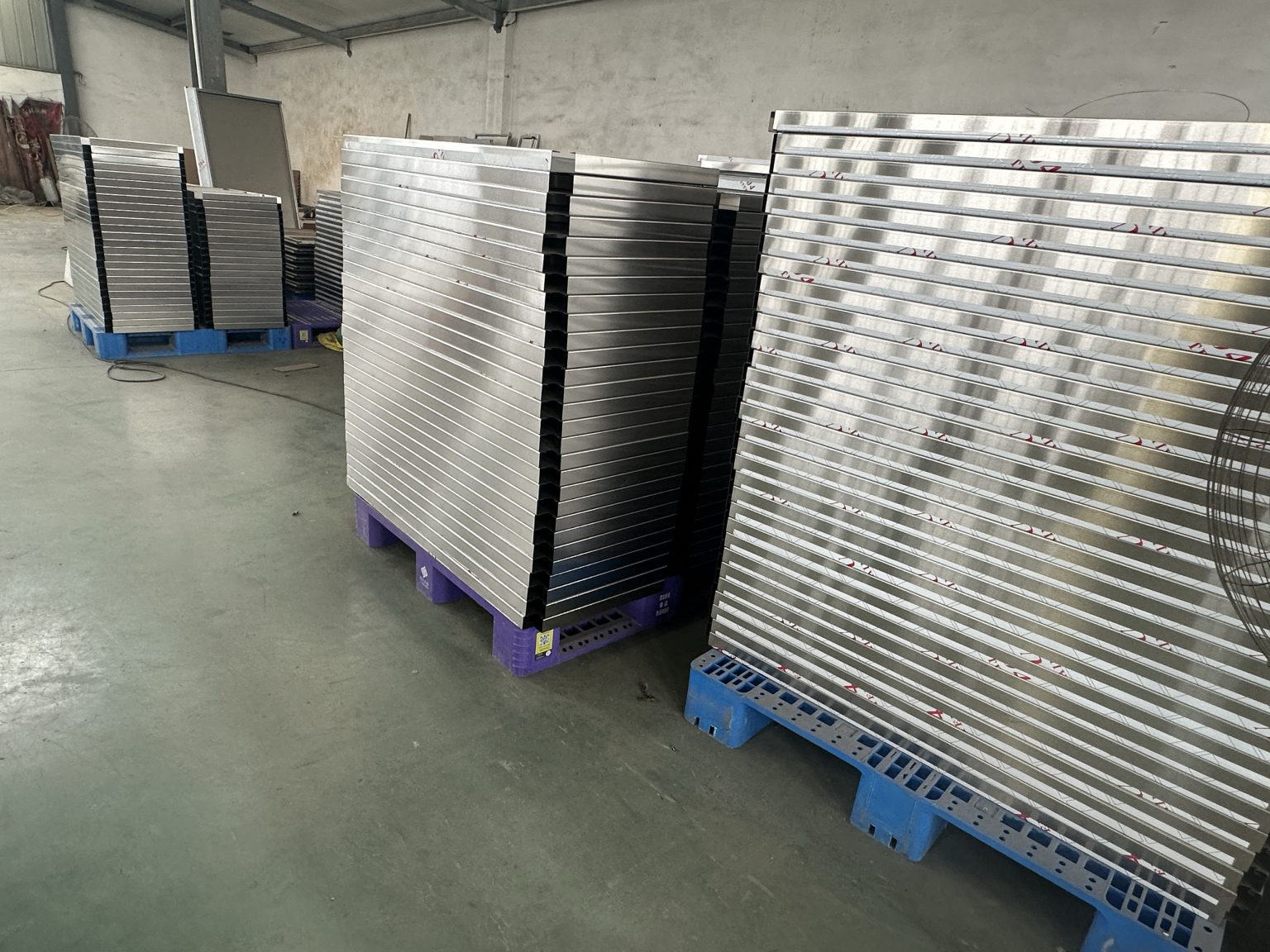
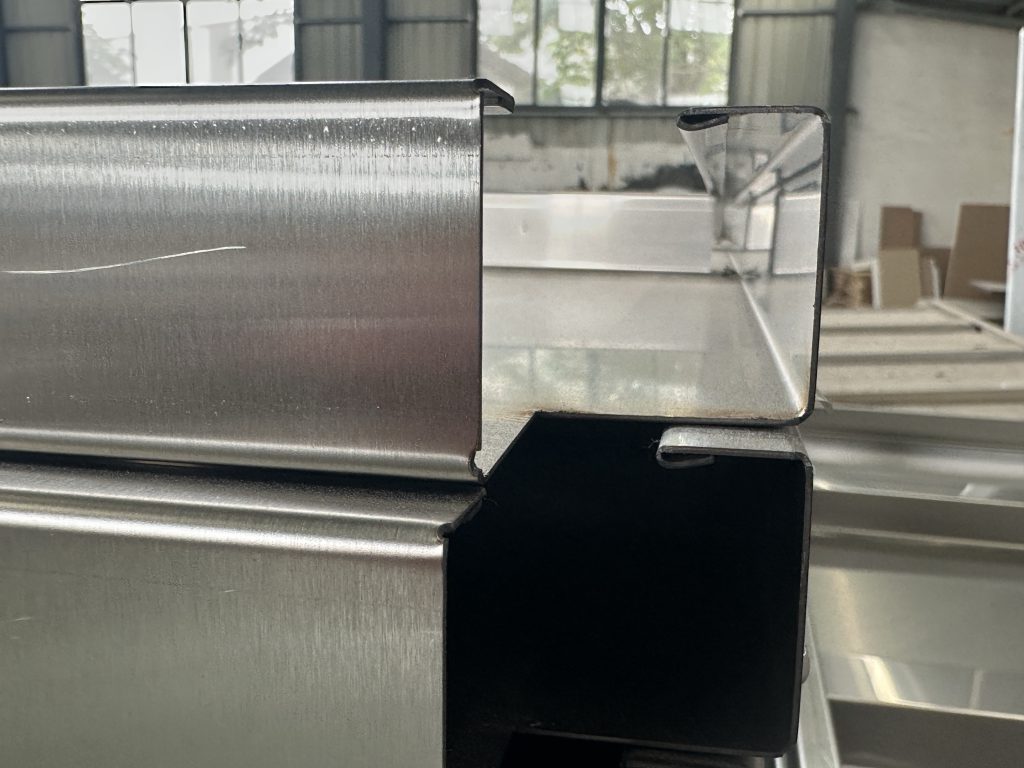
316 adds molybdenum for chloride resistance.
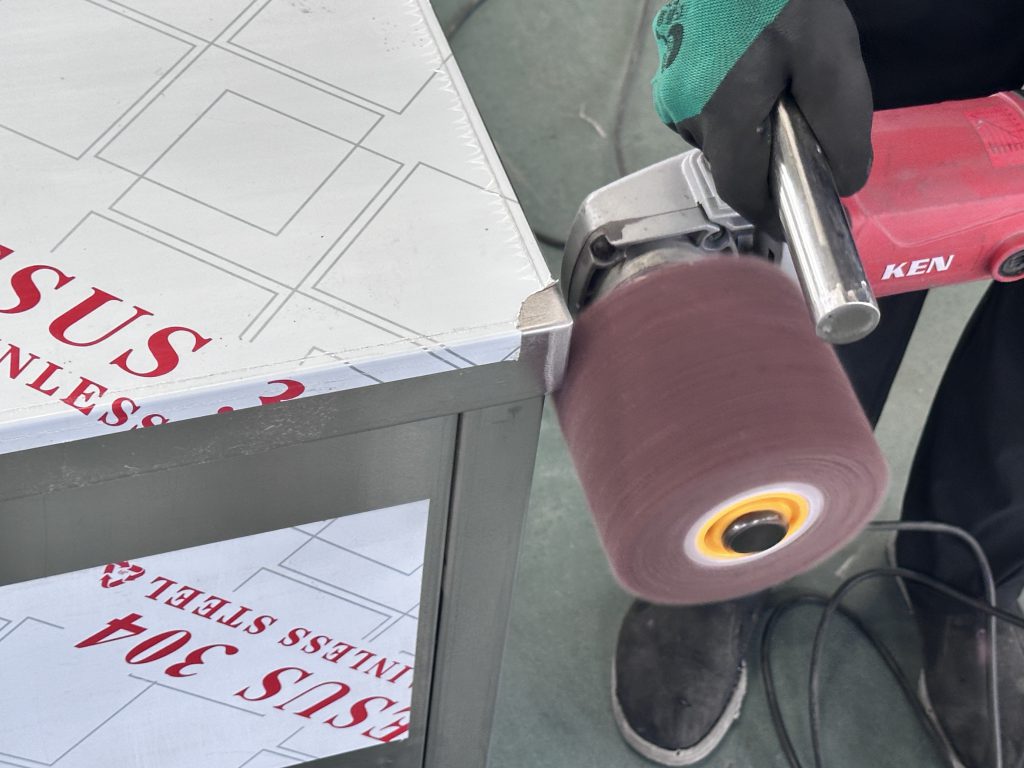
Finish and grade together determine service life.
304 vs 316 Stainless Steel for Kitchen Equipment
When choosing stainless steel for commercial kitchen equipment, 304 and 316 are the two most common grades. Understanding the differences helps you make the right choice for your application and budget.
304 Stainless Steel
- 18% chromium, 8% nickel – also known as 18/8 stainless
- Excellent corrosion resistance for most kitchen environments
- Good formability and weldability
- Cost-effective – approximately 30-40% less expensive than 316
- Suitable for: work tables, sinks, shelving, cabinets, exhaust hoods
316 Stainless Steel
- 16% chromium, 10% nickel, 2% molybdenum
- Superior corrosion resistance – especially against chlorides and acids
- Higher strength at elevated temperatures
- More expensive but longer service life in harsh environments
- Suitable for: coastal kitchens, marine applications, medical equipment, chemical processing
Which Should You Choose?
For most commercial kitchen applications, 304 stainless steel provides the best balance of performance and cost. Choose 316 if your kitchen is in a coastal area, uses harsh cleaning chemicals, or requires maximum corrosion resistance.
Frequently Asked Questions
Can 304 stainless steel rust?
304 stainless steel is corrosion-resistant but not rust-proof. In normal kitchen environments, it will not rust. However, exposure to chlorides (salt water, bleach) can cause pitting corrosion over time.
Is 316 stainless steel worth the extra cost?
For most commercial kitchens, 304 is sufficient. Choose 316 only for coastal environments, medical applications, or chemical processing where superior corrosion resistance is required.
Related Guides
Related Resources
Request a Quote
Fill out the form below and we’ll get back to you within 24 hours with a competitive quote.
Or email us directly: [email protected]
Chemical Composition Differences
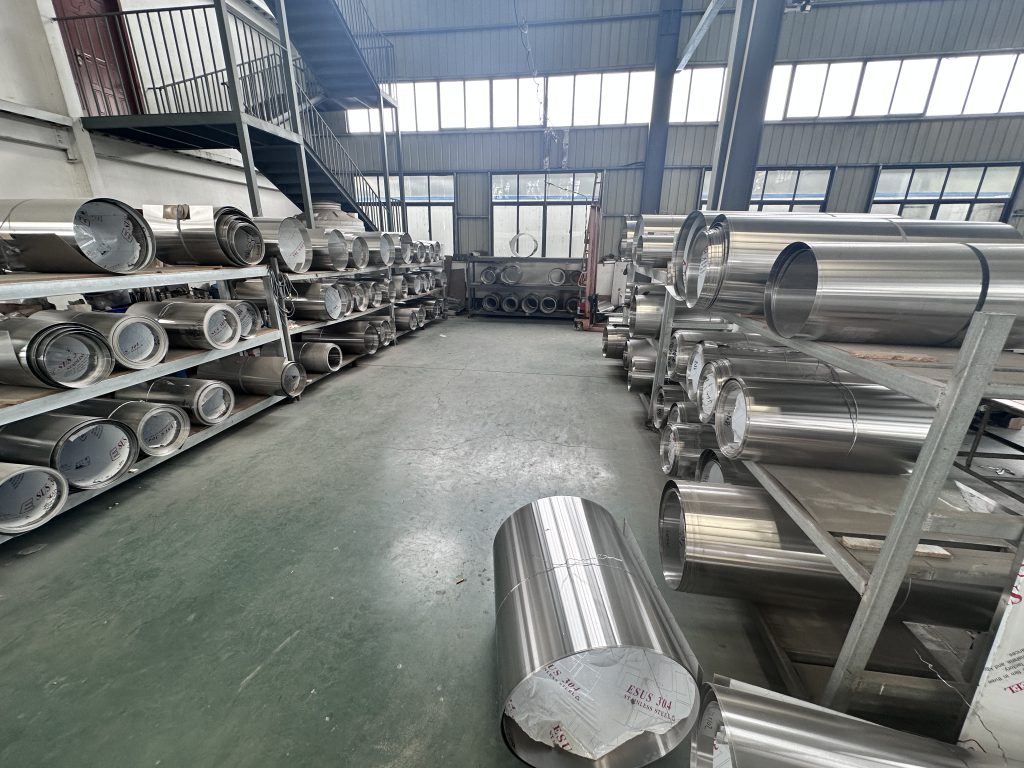 Composition is verified against the mill certificate.
The key difference between 304 and 316 stainless steel lies in their chemical composition. 304 stainless steel contains 18% chromium and 8% nickel, which gives it good corrosion resistance for most applications. 316 stainless steel adds 2-3% molybdenum to this base composition, which significantly enhances its resistance to chlorides and other corrosive agents.
This molybdenum addition makes 316 particularly resistant to pitting and crevice corrosion in chloride-rich environments. Common sources of chlorides include salt from food preparation, cleaning chemicals containing chlorine, and salt spray in coastal locations. For kitchens located in coastal areas or facilities that use chlorine-based sanitizers, 316 may be worth the additional investment.
Cost Comparison
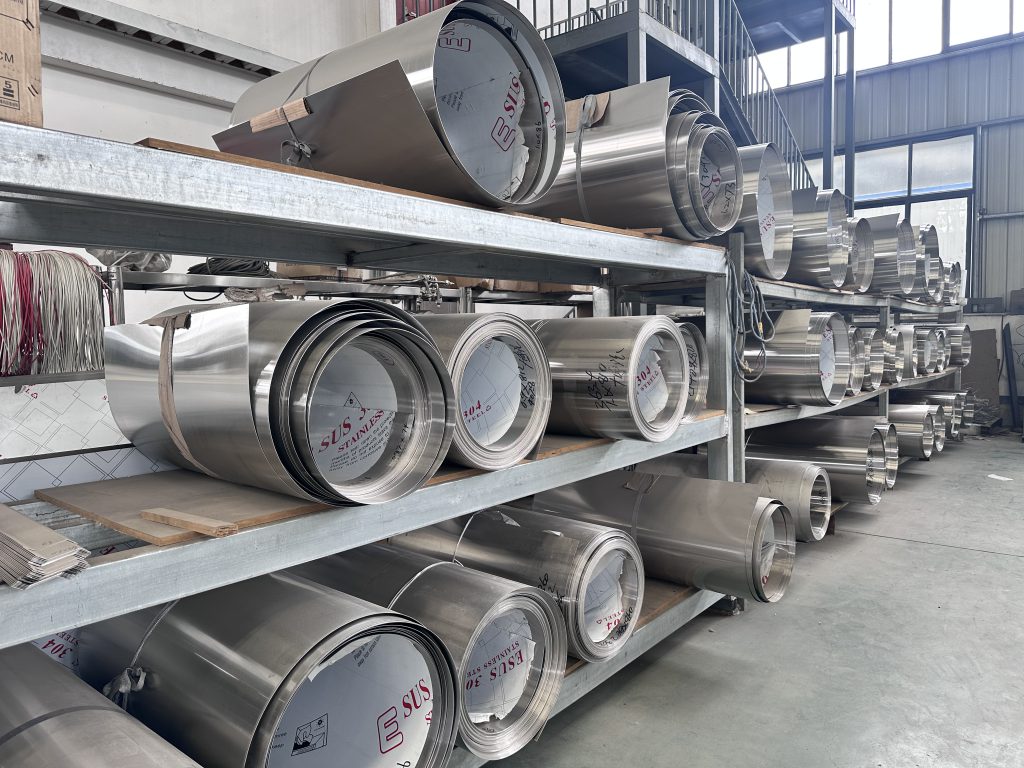 316 costs more — use it only where the environment demands it.
316 stainless steel typically costs 30-40% more than 304 due to the higher cost of molybdenum and the more complex production process. For most indoor commercial kitchen applications, 304 provides adequate corrosion resistance at a more affordable price point. The additional cost of 316 is justified when the equipment will be exposed to harsh conditions that would cause 304 to corrode prematurely.
When deciding between 304 and 316, consider the specific environment where the equipment will be used. Factors such as proximity to the coast, type of cleaning chemicals used, and the acidity of foods being processed should all influence your decision. In many cases, 304 is the practical and economical choice that provides excellent performance and longevity.
Other Stainless Steel Grades
While 304 and 316 are the most common food-grade stainless steels, other grades are available for specific applications. 201 stainless steel is a lower-cost alternative with reduced nickel content, suitable for applications where corrosion resistance requirements are less demanding. 430 stainless steel is a ferritic grade used for applications where welding is not required, such as decorative trim and certain kitchen accessories.