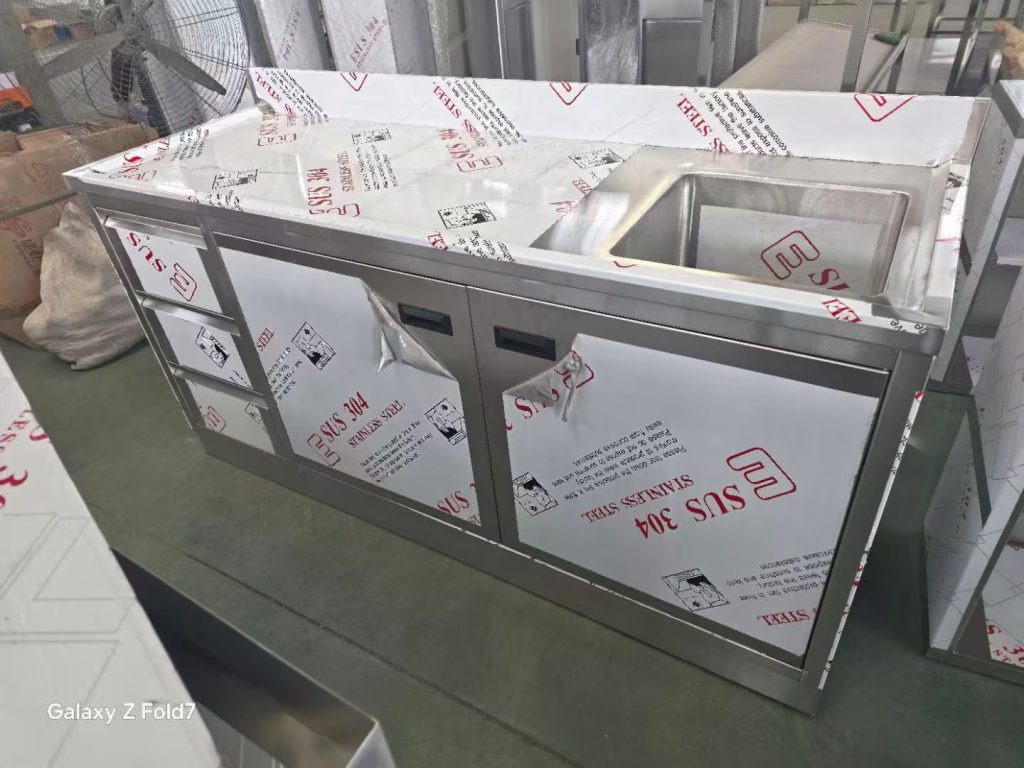
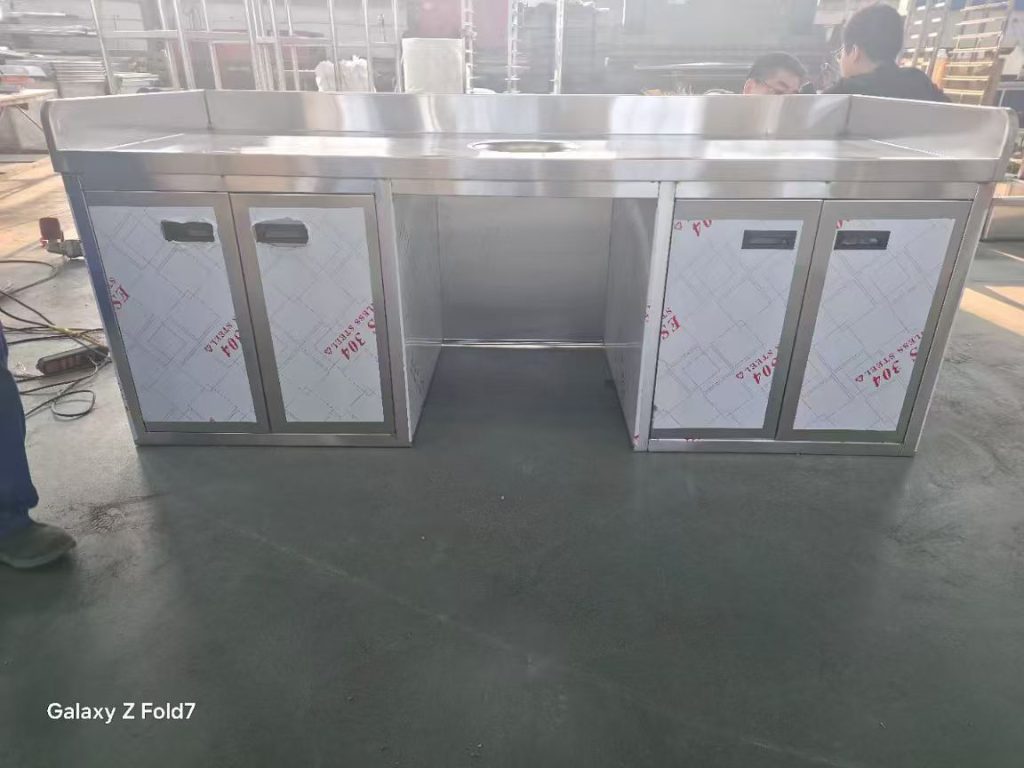
Standard table used as the sizing reference for most kitchens.
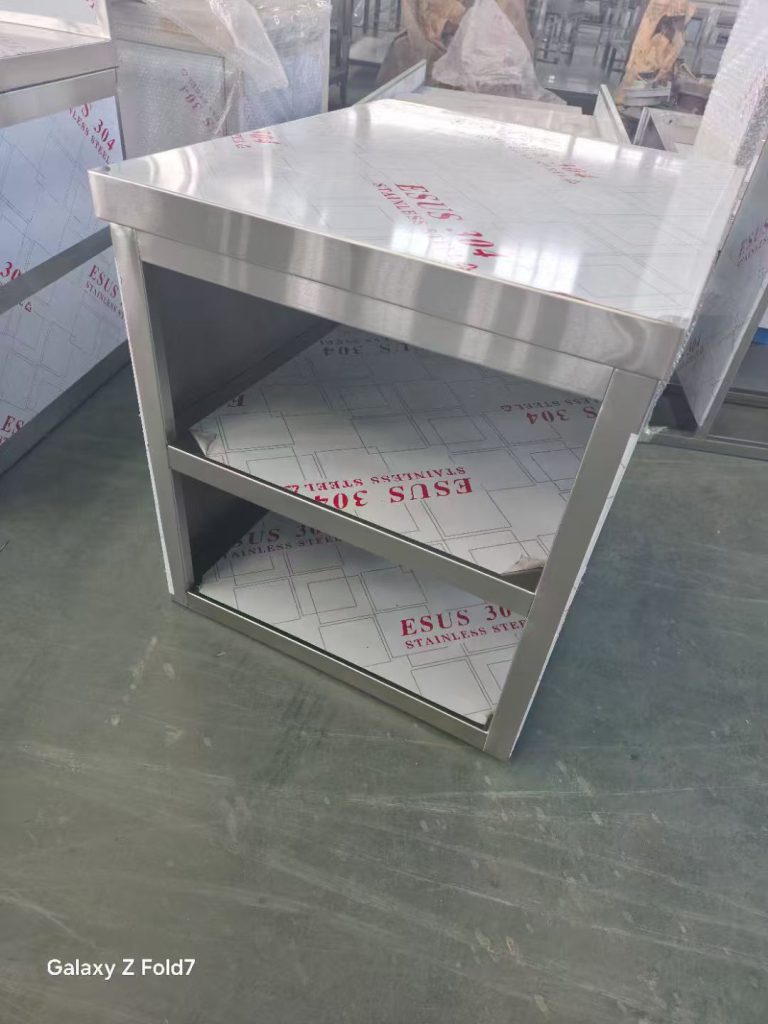
Undershelf adds storage without changing the footprint.
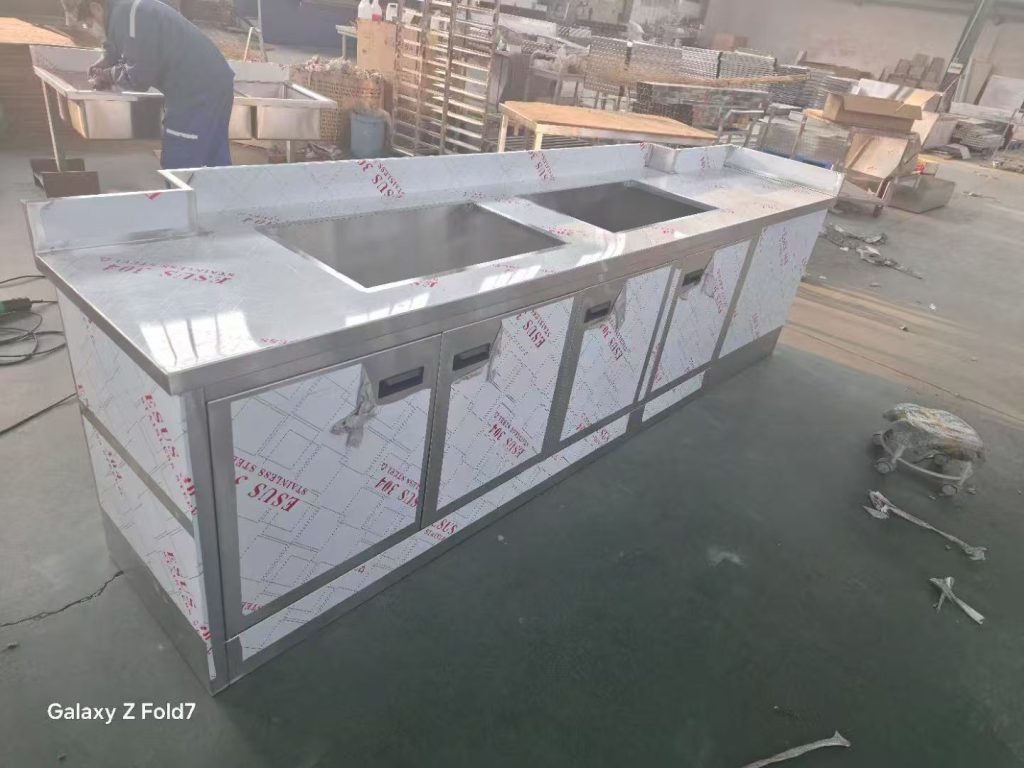
Heavier gauge tops for high-volume prep work.
How to Choose a Commercial Kitchen Work Table
A commercial kitchen work table is one of the most important pieces of equipment in your kitchen. Here is a step-by-step guide to choosing the right work table for your needs.
Step 1: Measure Your Space
Measure the available floor space carefully. Consider door swings, aisle widths, and clearance for other equipment. Standard work table depths are 24, 30, and 36 inches. Allow at least 36 inches of aisle space behind the table for staff movement.
Step 2: Choose the Right Base Type
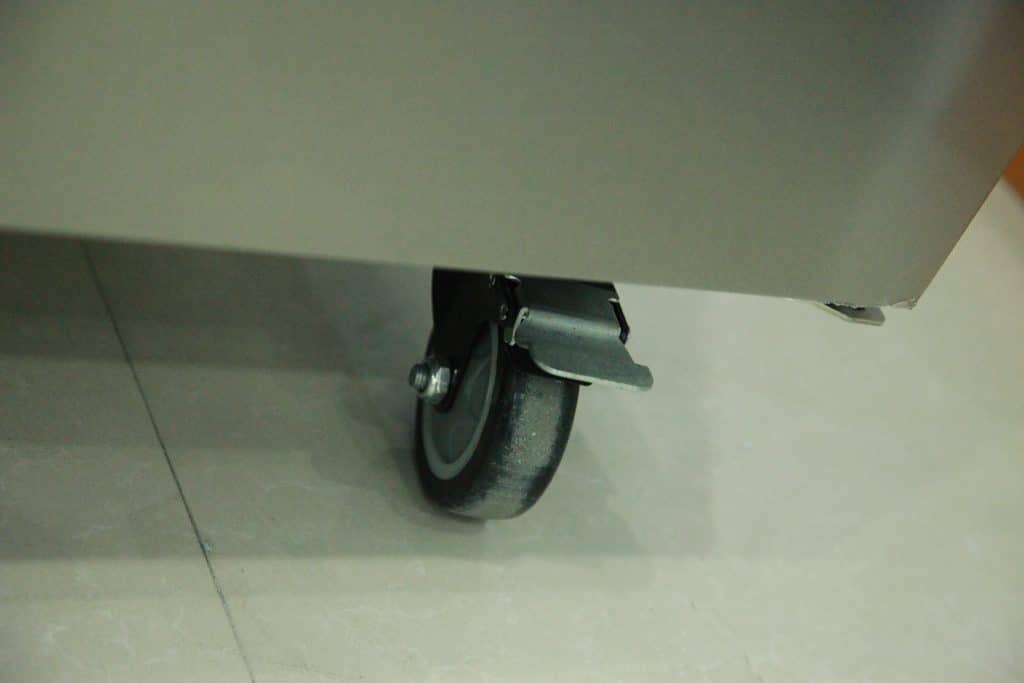 Heavy duty casters allow the table to be moved for cleaning.
- Open Shelf – Best for storing pans and ingredients within easy reach
- Drawers – Ideal for utensils, cutlery, and small tools
- Cabinet Doors – Great for bulk storage and hiding clutter
- Combination – Mix and match for maximum functionality
Step 3: Select the Right Size
Standard lengths range from 36 to 120 inches. Consider your menu volume and kitchen workflow when choosing table length. A longer table provides more prep space but may impede kitchen traffic.
Step 4: Consider Additional Features
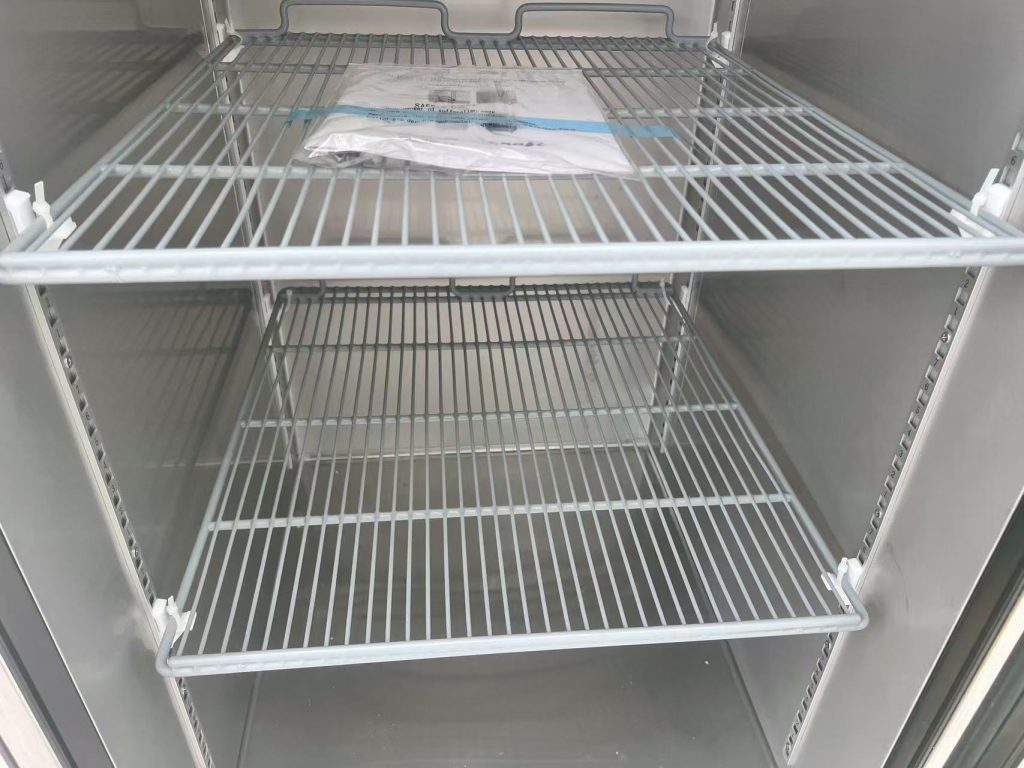 Adjustable stainless shelving for undershelf storage.
Backsplash, undershelf, casters vs bullet feet, and integrated sink or cutting board options can enhance functionality.
Frequently Asked Questions
What is the best material for a commercial work table?
304 stainless steel is the industry standard for commercial kitchen work tables. It offers excellent durability, corrosion resistance, and easy cleaning.
Should I choose casters or bullet feet?
Bullet feet provide stability for stationary tables. Casters are better if you need to move the table for cleaning or reconfiguration.
Related Products
- Stainless Steel Work Table with Sink
- Stainless Steel Work Table with Drawers
- Stainless Steel Work Table with Shelf
- Commercial Stainless Steel Prep Table
Request a Quote
Fill out the form below and we’ll get back to you within 24 hours with a competitive quote.
Or email us directly: [email protected]
Understanding Your Workflow Requirements
Before selecting a work table, it is important to analyze your kitchen’s workflow. Consider what tasks will be performed on the table, what equipment will be placed on or near it, and how staff will move around it. A well-planned work table can significantly improve kitchen efficiency by reducing unnecessary movement and providing convenient access to tools and ingredients.
Think about the height of the table as well. Standard work table height is around 34 to 36 inches, but this can be adjusted to suit your staff’s comfort. Tables that are too high or too low can cause fatigue and reduce productivity. Adjustable bullet feet allow for fine-tuning the height on site.
Material and Construction Quality
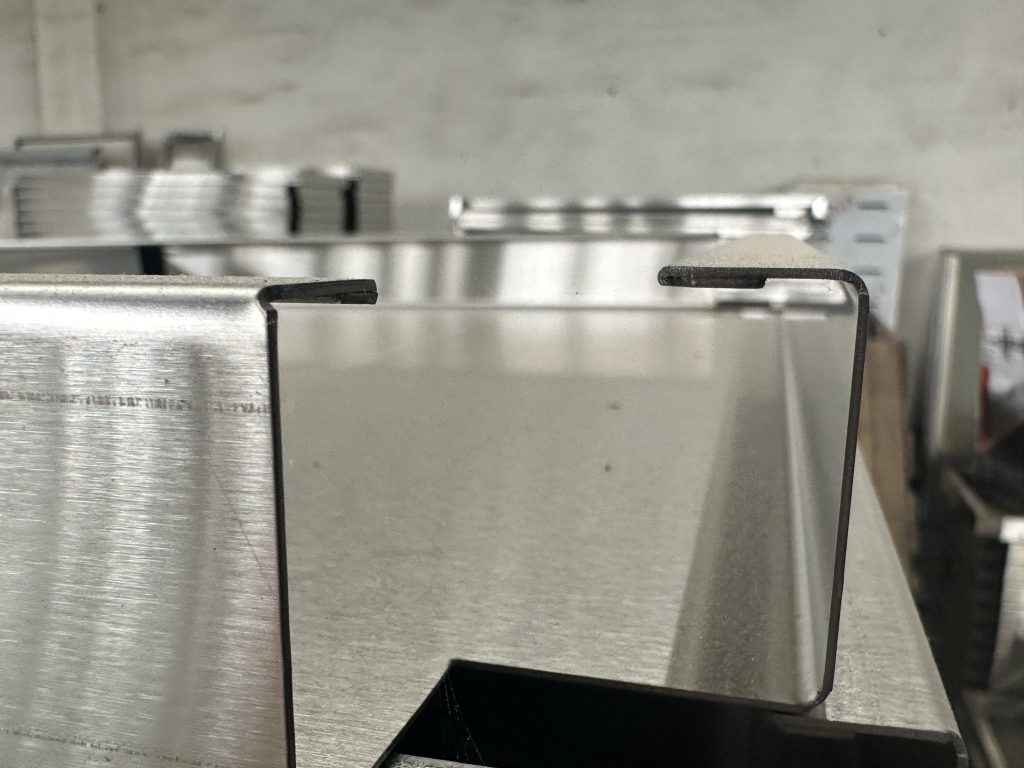 304 stainless steel sheet stock used for work table tops.
The quality of materials and construction directly affects the longevity and performance of your work table. Look for tables made from 304 food-grade stainless steel with a minimum top thickness of 1.2mm. Thicker tops provide better durability and resistance to dents. The frame should be made from stainless steel square tubing with adequate wall thickness for stability.
Check the quality of welds and finish. Smooth, sanitary welds indicate careful craftsmanship. The surface finish should be consistent and free of scratches or imperfections. Adjustable bullet feet are important for stability on uneven floors. Undershelf options should be made from the same quality stainless steel as the table top.
Storage Configuration Options
Work tables are available with various under-table storage options to suit different needs. Open shelving provides easy access and is easy to clean. Drawers offer organized storage for small items. Cabinet doors conceal larger items and provide a cleaner appearance. Some tables combine multiple storage types for maximum flexibility.
Consider what items you will store under the table and how frequently you need to access them. This will help you choose the right storage configuration. For example, a prep station might benefit from drawers for utensils and open shelving for pots and pans, while a serving station might prefer cabinet doors for a cleaner look.