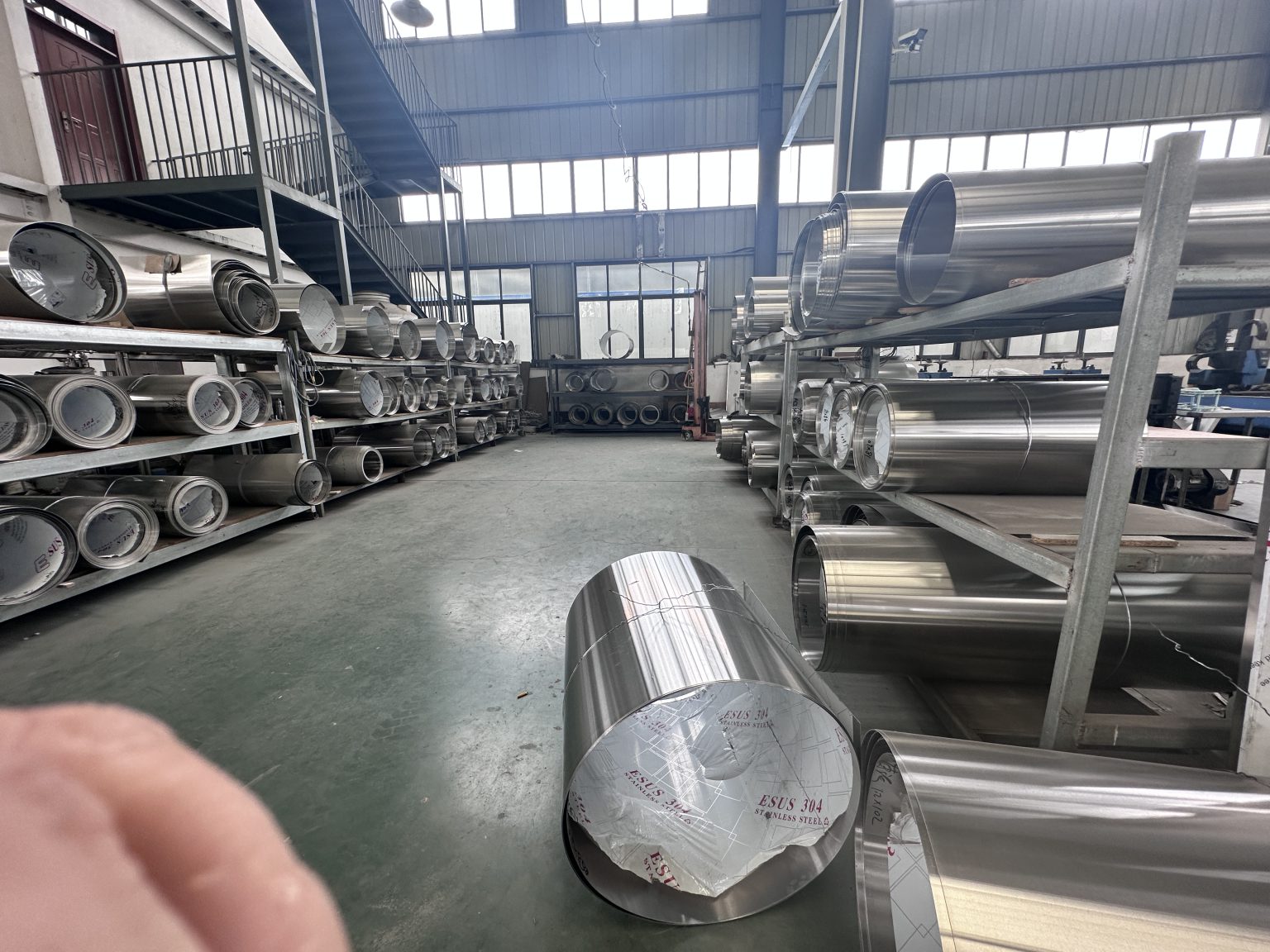
Grade selection drives corrosion resistance in food plants.
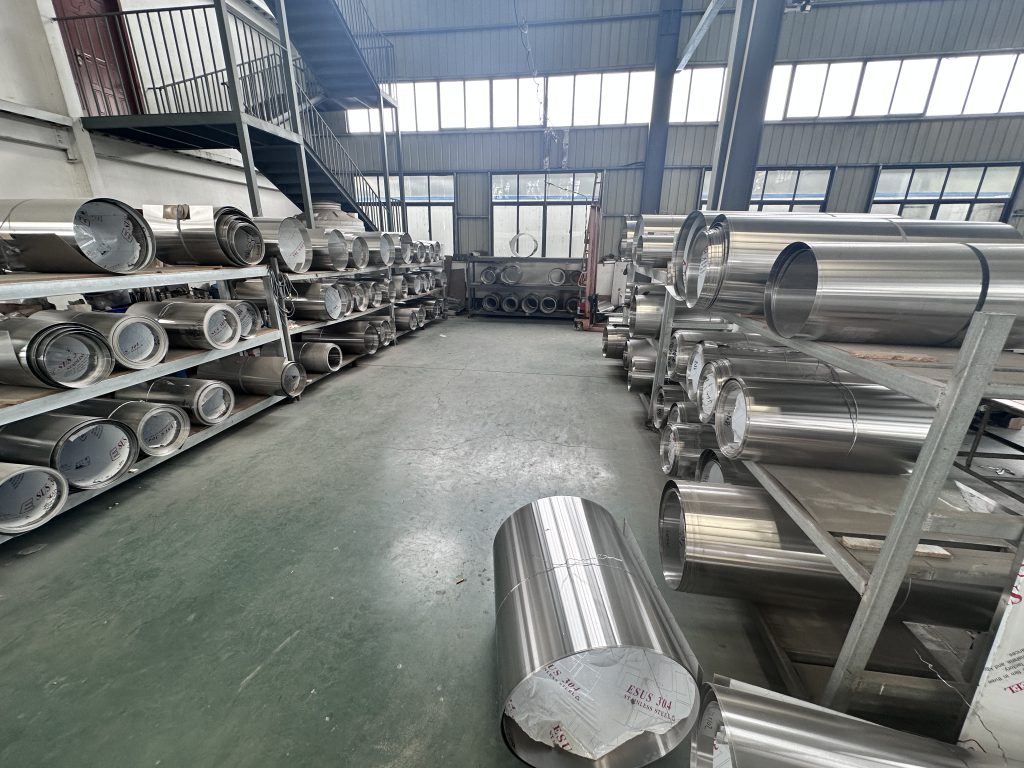
Stock held in 304 and 316 for food processing equipment.
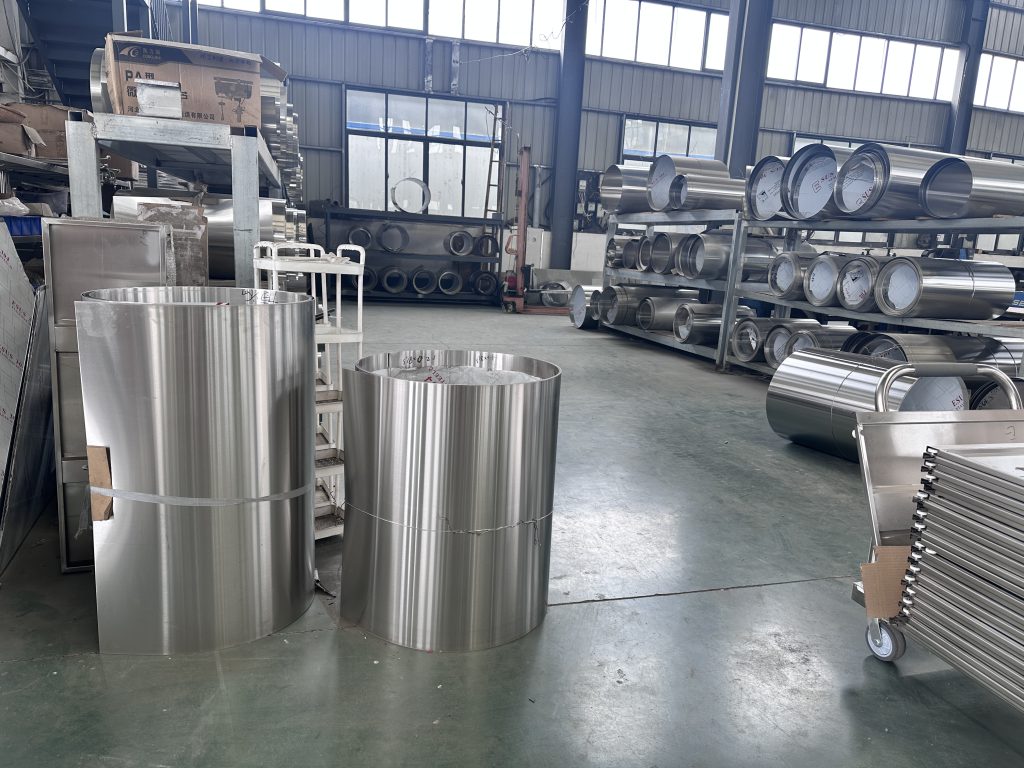
Incoming material checked against the mill certificate.
Stainless Steel Grades for Food Processing Equipment
Selecting the right stainless steel grade for food processing equipment is critical for food safety, equipment longevity, and regulatory compliance. This guide covers the most common grades used in food processing.
Common Food-Grade Stainless Steel Grades
304 Stainless Steel (18/8)
The most widely used food-grade stainless steel. Suitable for most food contact surfaces, kitchen equipment, and processing lines. Excellent corrosion resistance against food acids.
316 Stainless Steel
Contains molybdenum for enhanced corrosion resistance. Required for high-chloride environments, acidic foods, and marine applications.
430 Stainless Steel
Lower cost option with less corrosion resistance. Suitable for non-food-contact surfaces and dry environments.
Surface Finishes for Food Processing
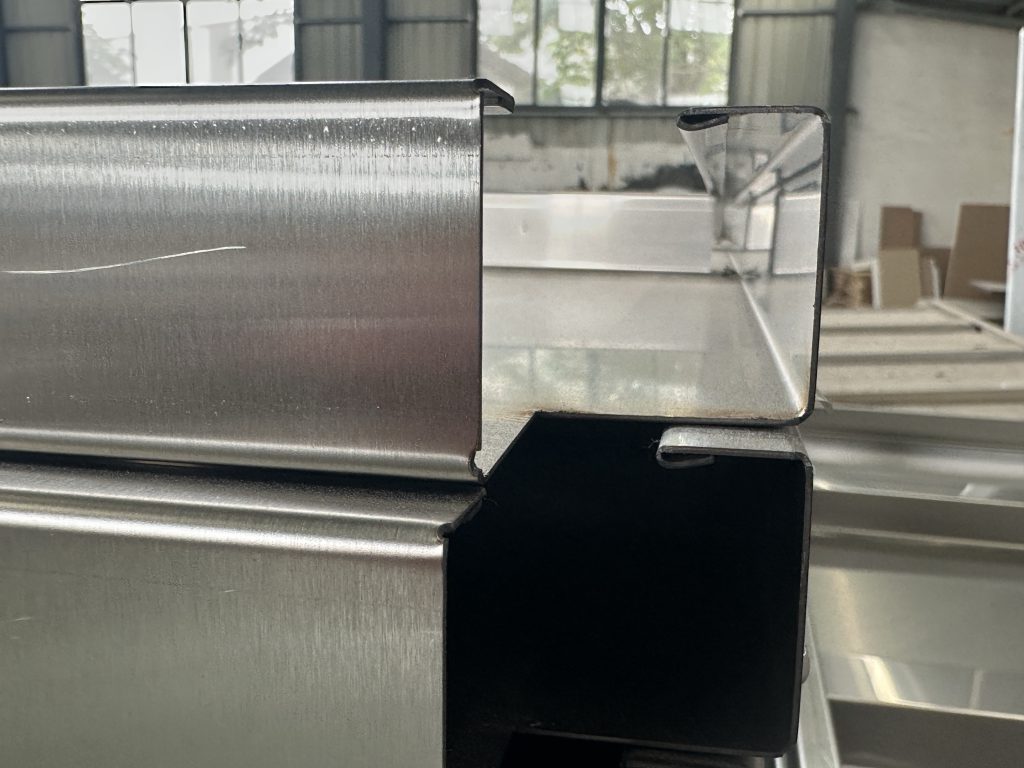
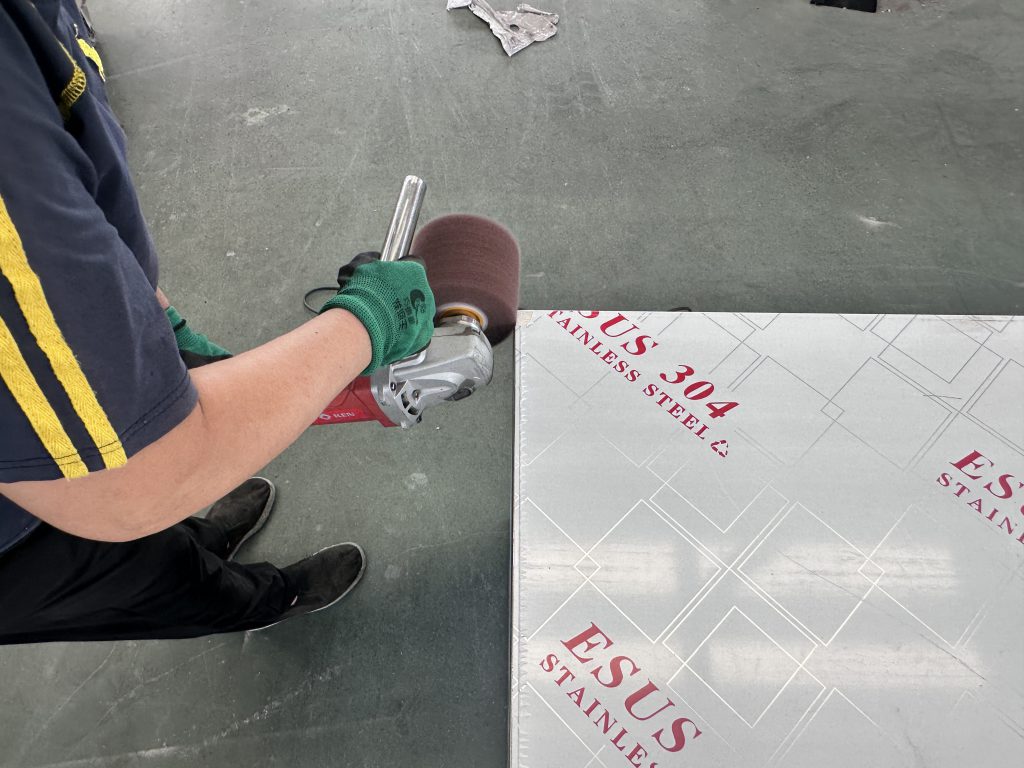 Finish affects cleanability as much as grade does.
- #4 Brushed Finish – Standard for food contact surfaces, easy to clean
- Mirror Polish – For applications requiring maximum cleanability
- 2B Finish – Smooth, reflective surface for general use
Regulatory Compliance
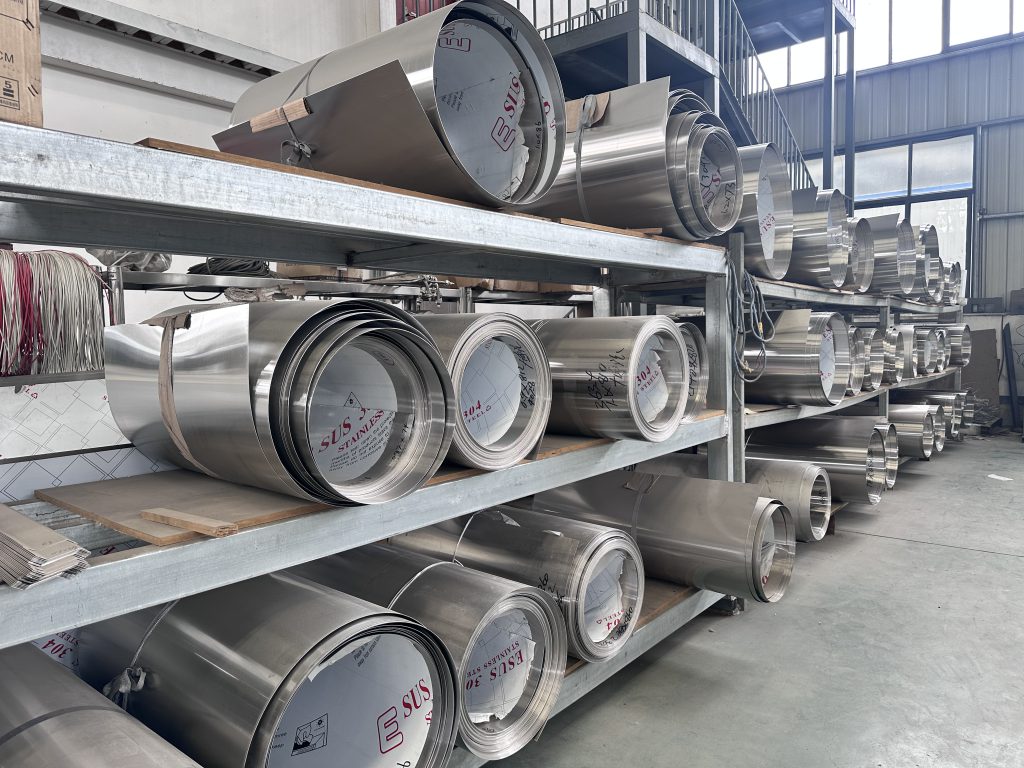 Material and finish both documented for compliance.
Food processing equipment must comply with FDA, NSF, and local health department requirements for material safety and cleanability.
Frequently Asked Questions
What is the best stainless steel grade for food processing?
304 stainless steel is the most commonly used grade for food processing equipment, offering excellent corrosion resistance and cost-effectiveness.
Can 430 stainless steel be used for food contact?
430 stainless steel is not recommended for direct food contact surfaces as it has lower corrosion resistance than 304 or 316.
Related Guides
Related Resources
Request a Quote
Fill out the form below and we’ll get back to you within 24 hours with a competitive quote.
Or email us directly: [email protected]
Understanding Stainless Steel Grades
Stainless steel is an alloy of iron, chromium, and other elements that provides corrosion resistance and durability. The chromium content forms a protective oxide layer on the surface that prevents rust and corrosion. Different grades of stainless steel contain different proportions of alloying elements, which affect their properties and suitability for various applications.
In food processing, the most commonly used grades are 304 and 316 stainless steel. Both are austenitic grades with good formability and weldability. Magnetic response can change after cold working and does not by itself verify the grade. The choice between them depends on the specific requirements of the application, including the type of food being processed, the cleaning chemicals used, and the environment where the equipment will be installed.
304 Stainless Steel in Food Processing
304 stainless steel is the standard material for most food processing equipment. It offers good corrosion resistance against food acids, cleaning chemicals, and moisture. It is suitable for applications such as food preparation surfaces, storage tanks, conveyor systems, and processing equipment that does not involve highly acidic or salty foods.
The surface finish of 304 stainless steel is important for food safety. A #4 brushed finish or finer provides a smooth surface that is easy to clean and resistant to bacterial growth. Proper fabrication techniques, including sanitary welding and passivation, help maintain the material’s corrosion resistance and ensure long-term performance in food processing environments.
316 Stainless Steel for Specialized Applications
316 stainless steel is specified for food processing applications where enhanced corrosion resistance is required. This includes equipment that handles acidic foods such as citrus products, tomato-based products, and pickled foods. It is also preferred for applications involving salty foods, brine solutions, and chlorine-based sanitizers.
In seafood processing, where salt exposure is constant, 316 is often the standard choice. The higher cost of 316 is justified by its longer service life and reduced maintenance requirements in these demanding environments. For most other food processing applications, 304 provides adequate performance at a lower cost.
Technical references: FDA Food Code 2022; Outokumpu: austenitic stainless steel.