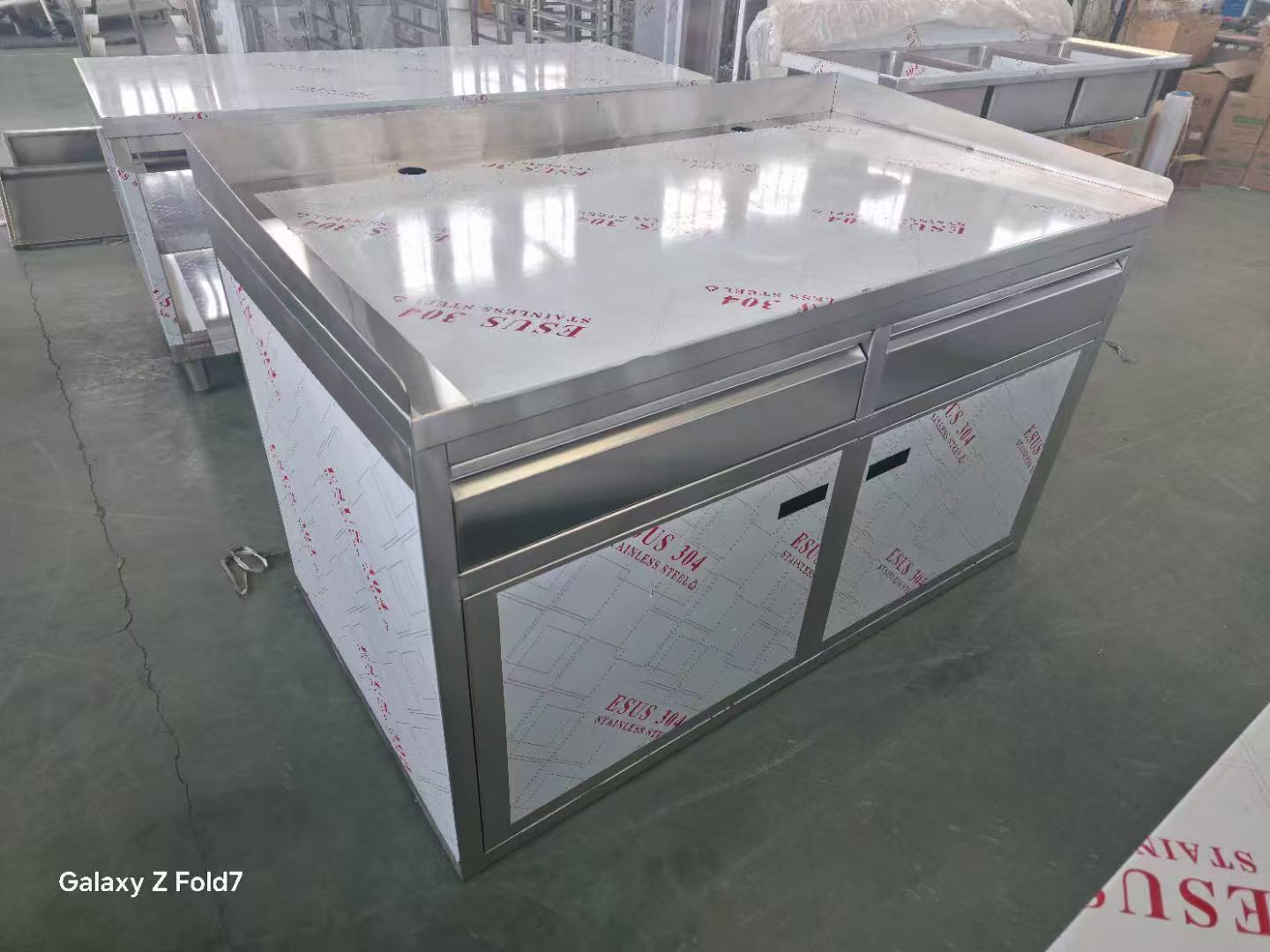
Custom vs Standard Kitchen Equipment: Which to Choose
One of the most common questions kitchen managers face is whether to buy standard-sized equipment or invest in custom-fabricated pieces. Here is a comparison to help you decide.
Standard Equipment
Pros
- Lower upfront cost
- Faster delivery – often in stock or short lead time
- Easy to replace or add matching pieces
Cons
- May not fit your exact space or workflow
- Limited configuration options
- May require compromises in kitchen layout
Custom Equipment
Pros
- Perfect fit for your kitchen layout
- Tailored to your specific workflow and menu
- Unique configurations – combine features in one unit
- Higher quality construction
Cons
- Higher upfront cost
- Longer lead time
- Requires detailed specification
When to Choose Custom
Choose custom equipment when your kitchen has non-standard dimensions, you need specific feature combinations, or you are building a new kitchen from scratch and want optimal workflow.
Frequently Asked Questions
How much more does custom equipment cost?
Custom equipment typically costs 20-50% more than standard sizes, depending on complexity and materials.
What is the lead time for custom equipment?
Custom equipment typically requires 15-30 days lead time, compared to standard equipment which may ship within days.
Related Guides
Request a Quote
Fill out the form below and we’ll get back to you within 24 hours with a competitive quote.
Or email us directly: [email protected]
When Standard Equipment Makes Sense
Standard-sized kitchen equipment offers several advantages that make it the right choice for many operations. The lower upfront cost is often the deciding factor for businesses with limited budgets. Standard equipment is readily available with short lead times, which is important when you need to open or expand quickly. Replacement and expansion are also easier with standard sizes, as you can simply order matching pieces.
For kitchens with conventional layouts and standard dimensions, off-the-shelf equipment often fits perfectly without modification. Many restaurants and food service operations can meet all their equipment needs with standard products, especially when working with experienced kitchen designers who can plan around standard sizes.
When Custom Fabrication Is Worth the Investment
Custom fabrication becomes valuable when your kitchen has unusual dimensions, specific workflow requirements, or unique design needs. Custom equipment can be built to fit exactly into available space, maximizing every inch of your kitchen. This is particularly important in smaller kitchens where space is at a premium.
Custom fabrication also allows you to incorporate specific features that are not available in standard products. You can combine functions, add specialized accessories, and choose materials and finishes that match your brand or design aesthetic. For operations with unique menu items or specialized cooking processes, custom equipment can improve efficiency and product quality.
Making the Decision
The choice between custom and standard equipment depends on your specific situation. Consider your budget, timeline, space constraints, and operational requirements. In many cases, a combination of standard and custom equipment provides the best solution. Standard items can be used for basic needs while custom pieces address specific requirements that standard products cannot meet.
We recommend consulting with an experienced kitchen equipment manufacturer who can help you evaluate your options and provide guidance based on your specific needs. A good manufacturer will be honest about whether custom fabrication is necessary or if standard products would work just as well for your application.