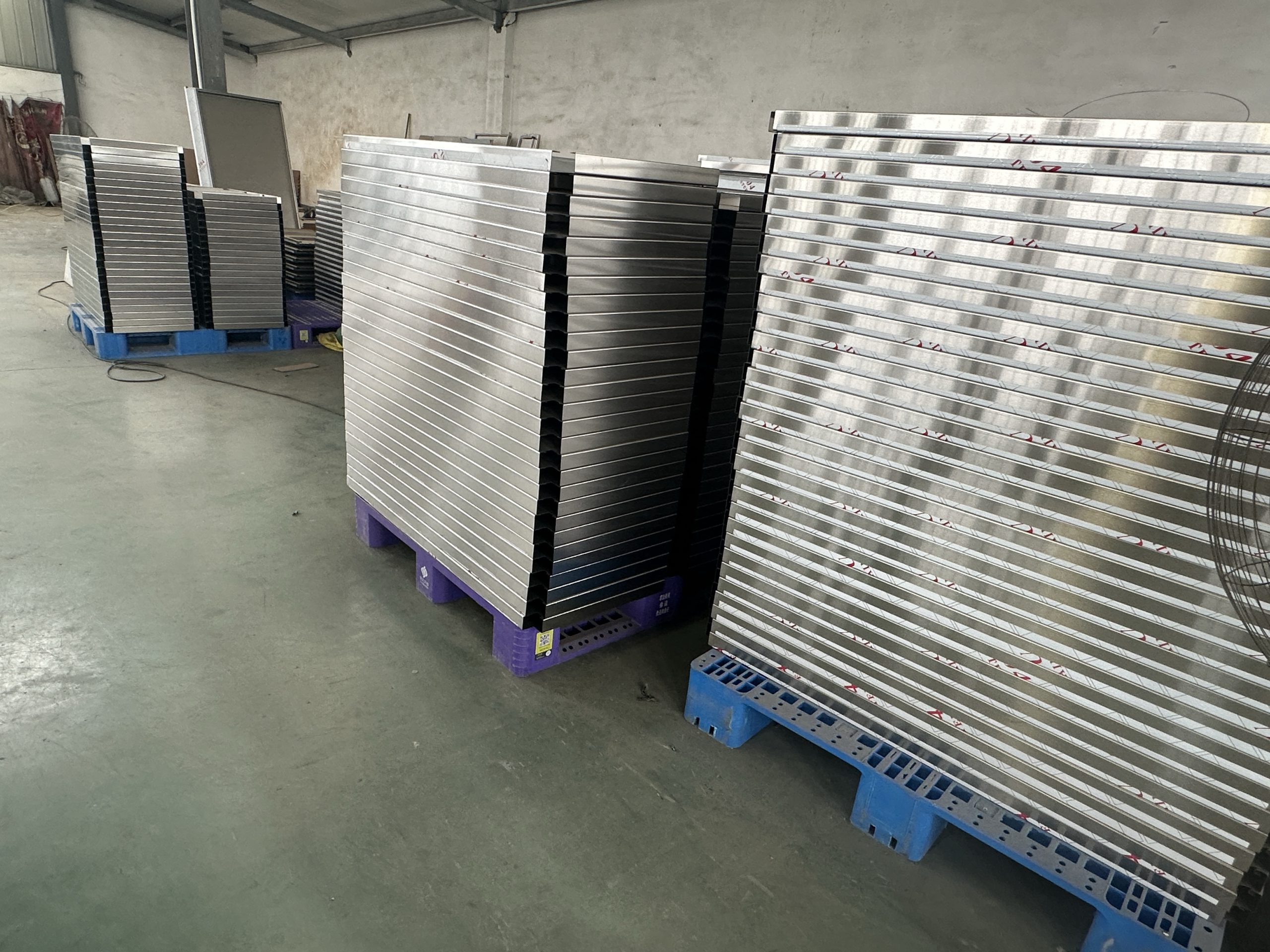
201 and 304 compared on price and corrosion resistance.
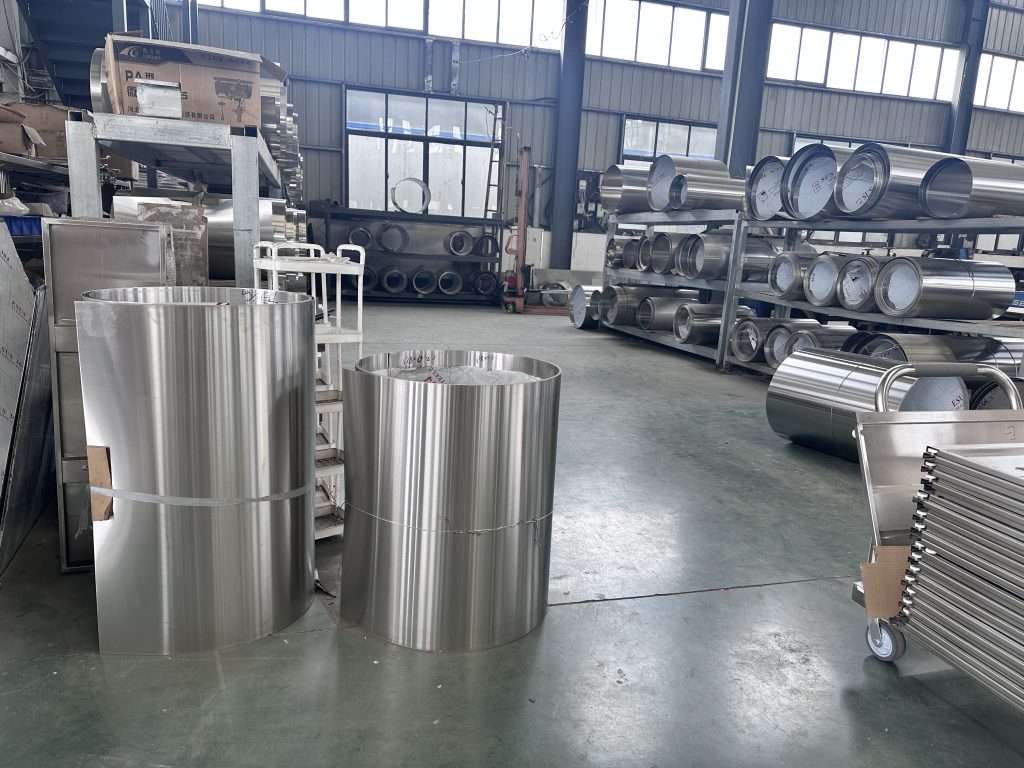
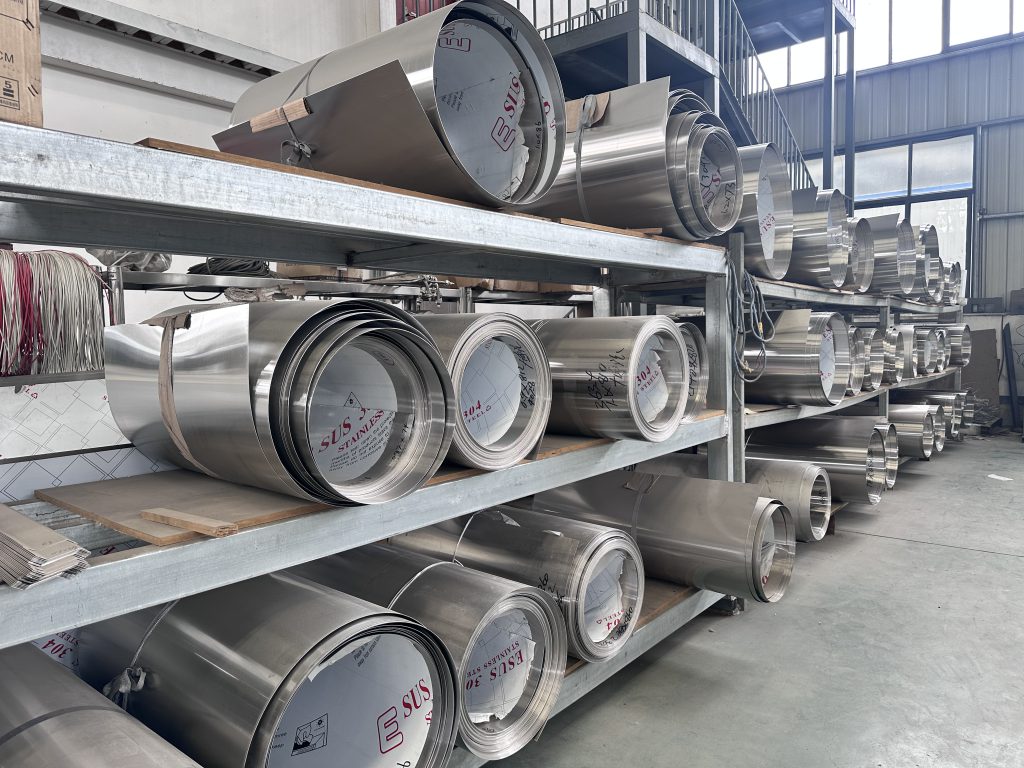
Raw material held in defined grades — no substitution.
Commercial Kitchen Stainless Steel: 201 or 304?
When purchasing commercial kitchen equipment, one of the most common questions is whether to choose 201 or 304 stainless steel. Both are widely used in the food service industry, but they serve different purposes and price points.
Price and Corrosion Resistance Comparison
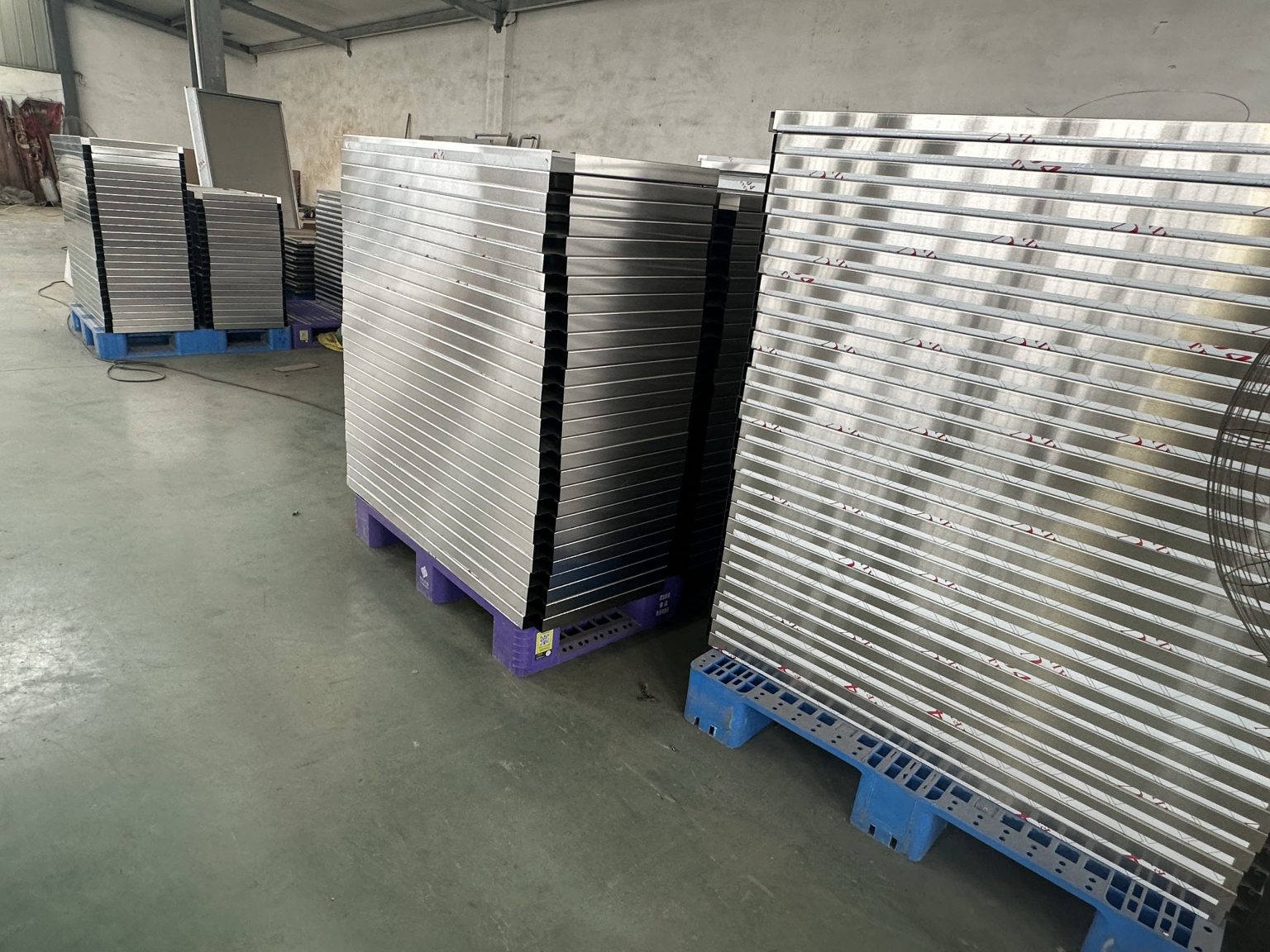
Select the grade for the food, moisture, cleaning chemicals and corrosion exposure. The FDA Food Code specifies safe, durable, corrosion-resistant and cleanable food-contact materials; it does not impose a universal 304-only rule. Confirm the applicable requirements with the local authority for the installation.
201 stainless steel contains approximately 16% chromium and only 3.5% nickel, with manganese added as a substitute. This makes it significantly cheaper — typically 20-30% less expensive than 304. However, 201 steel is more prone to corrosion, especially in coastal areas or environments with high humidity and salt exposure.
Application Scenarios
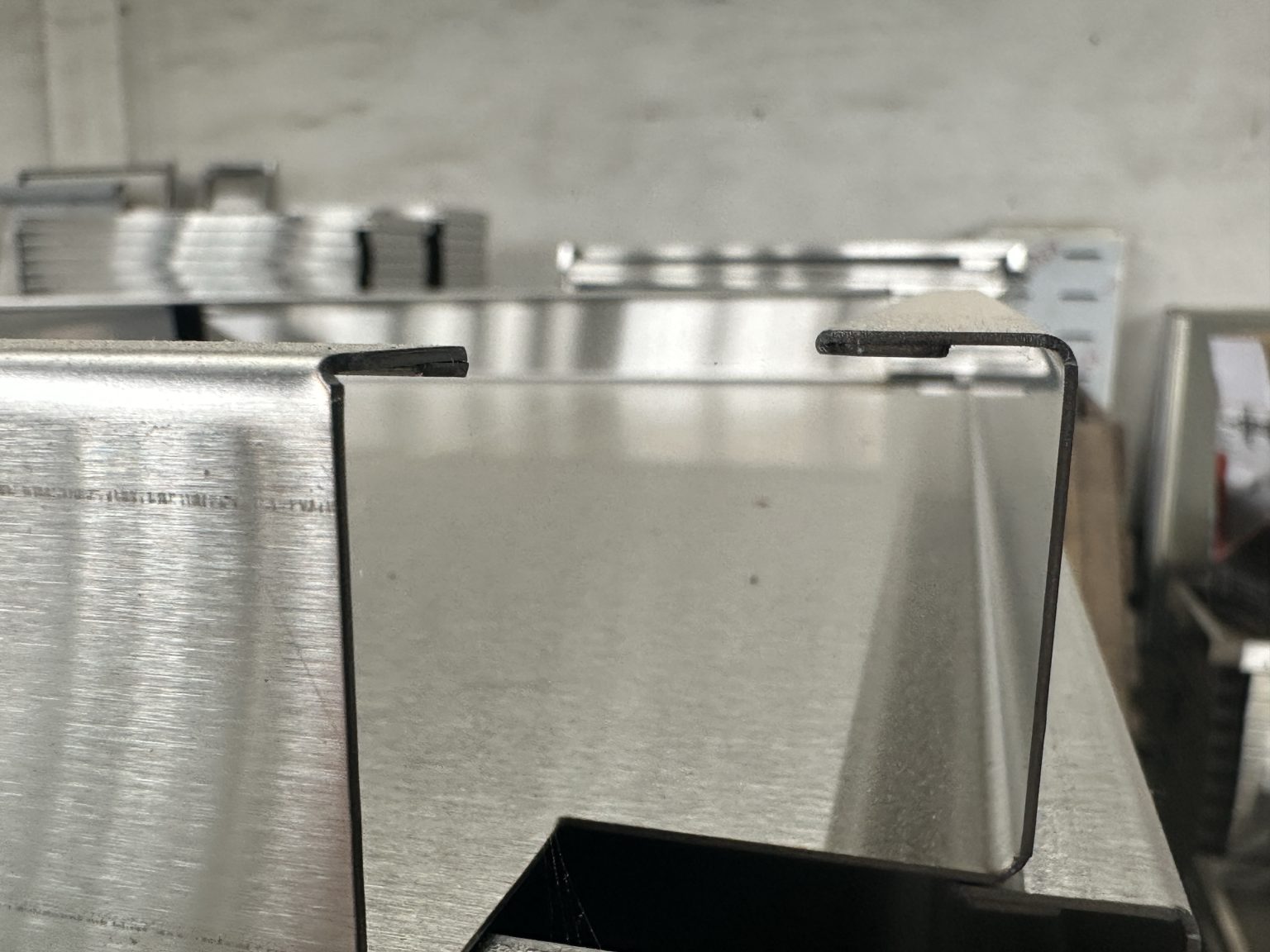
For commercial kitchens, we strongly recommend 304 stainless steel for all food contact surfaces including work tables, sinks, and prep counters. 201 stainless steel may be acceptable for non-food-contact components such as equipment frames, legs, and decorative panels where corrosion risk is lower.
How to Tell 304 and 201 Apart
There are several simple methods to distinguish between 304 and 201 stainless steel:
Magnet test: a magnet cannot reliably distinguish 201 from 304. Both are austenitic grades; cold working can change magnetic response. Verify the stated grade using traceable mill documentation and suitable composition testing when needed.
Color and Luster: 304 steel has a brighter, whiter appearance, while 201 tends to look slightly darker or yellowish.
Spark Test: When ground on a grinder, 304 produces shorter, fewer sparks, while 201 produces longer, more numerous sparks.
Chemical Test: Use a stainless steel testing solution (available from industrial suppliers). Apply a drop to the surface — 304 will show a specific color reaction that differs from 201.
What is SUS304 Stainless Steel?
SUS304 is the Japanese Industrial Standard (JIS) designation for 304 stainless steel. The “SUS” prefix stands for “Steel Use Stainless.” It is chemically equivalent to AISI 304 (American) and 0Cr18Ni9 (Chinese GB standard). When you see SUS304 on a product label, it means the material meets the Japanese standard for 304-grade stainless steel.
How to Verify Stainless Steel Authenticity
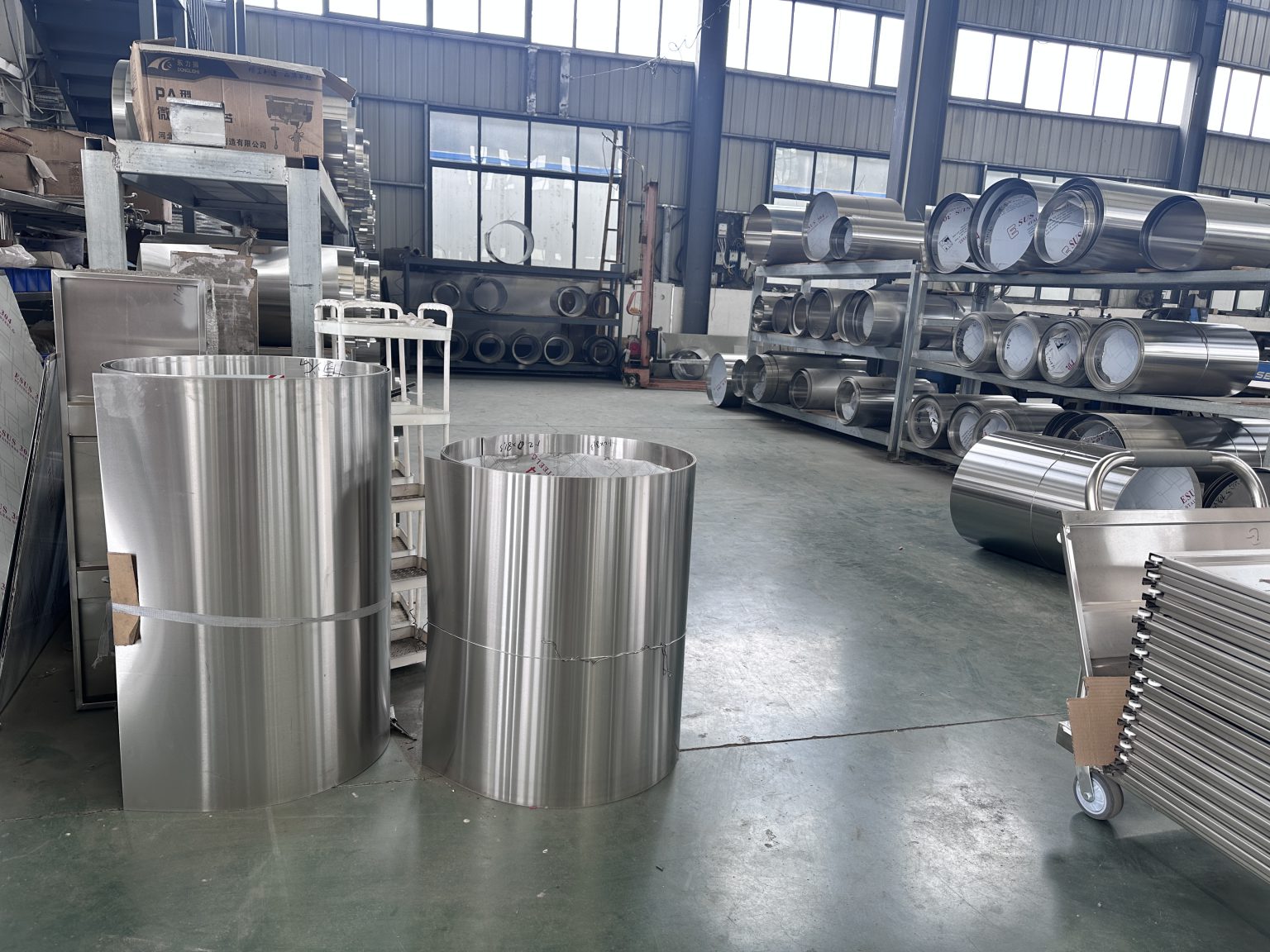
For critical purchases, we recommend the following verification methods:
1. Request Material Certificates: Ask your supplier for mill test certificates (MTC) that document the chemical composition of the steel.
2. Third-Party Testing: Send samples to an independent laboratory for spectrometric analysis. This is the most reliable method.
3. Supplier Audit: Verify that your supplier has ISO 9001 certification and can trace their raw materials back to reputable steel mills.
4. Spot Testing: Use portable XRF analyzers or chemical testing kits for on-site verification.
Not sure a magnet test is enough? Read our field guide on how to verify a stainless steel kitchen table is really 304, and why gauge thickness – not just grade – decides how a table holds up.
Frequently Asked Questions
Is 201 stainless steel safe for food contact?
Select the grade for the food, moisture, cleaning chemicals and corrosion exposure. The FDA Food Code specifies safe, durable, corrosion-resistant and cleanable food-contact materials; it does not impose a universal 304-only rule. Confirm the applicable requirements with the local authority for the installation.
How much more expensive is 304 vs 201?
304 stainless steel typically costs 20-30% more than 201 due to its higher nickel content. However, the longer lifespan and lower maintenance costs of 304 make it more economical in the long run for commercial kitchen equipment.
Can 201 stainless steel rust?
Yes, 201 stainless steel can rust, especially in humid environments, coastal areas, or when exposed to acidic foods and cleaning chemicals. It has significantly lower corrosion resistance than 304.
What grade of stainless steel do commercial kitchens require?
Select the grade for the food, moisture, cleaning chemicals and corrosion exposure. The FDA Food Code specifies safe, durable, corrosion-resistant and cleanable food-contact materials; it does not impose a universal 304-only rule. Confirm the applicable requirements with the local authority for the installation.
Related Products
Explore our range of stainless steel kitchen equipment:
Related Guides
- 304 vs 430 stainless steel: which is actually safe for food contact
- Stainless steel grades for commercial kitchen equipment
- How to tell if a kitchen table is really 304
Request a Quote
Fill out the form below and we’ll get back to you within 24 hours with a competitive quote.
Real Project Examples
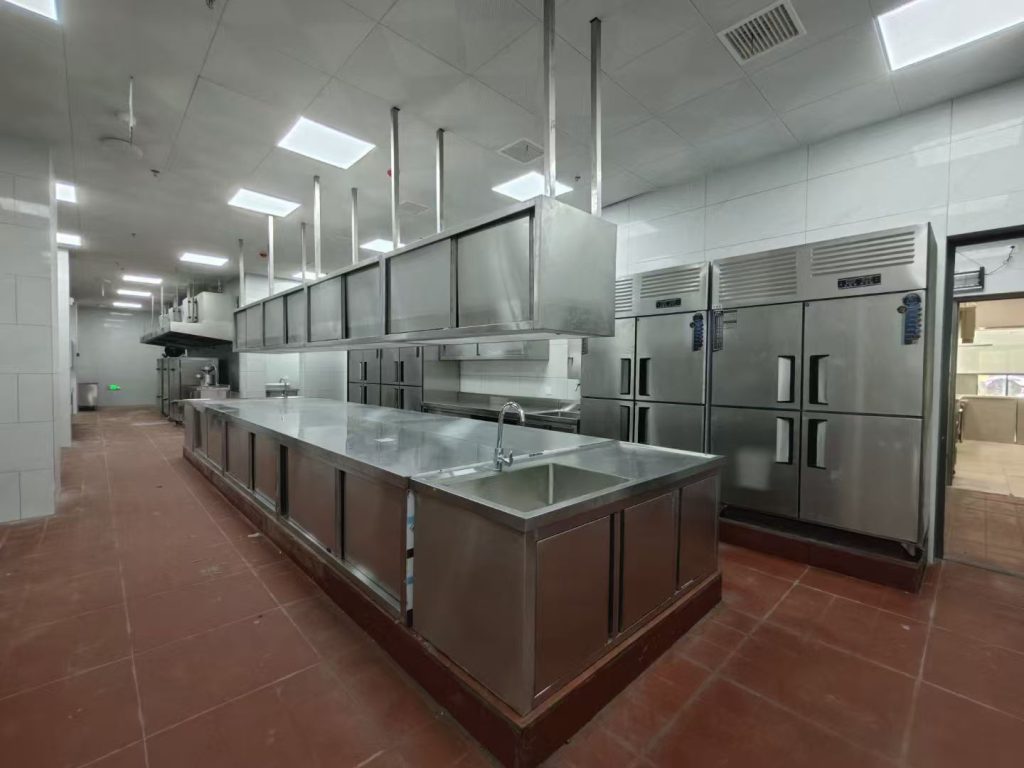 Installed kitchen where 304 was specified throughout.
See how our equipment performs in real commercial kitchen environments:
Technical references: FDA Food Code 2022; Outokumpu: austenitic stainless steel.