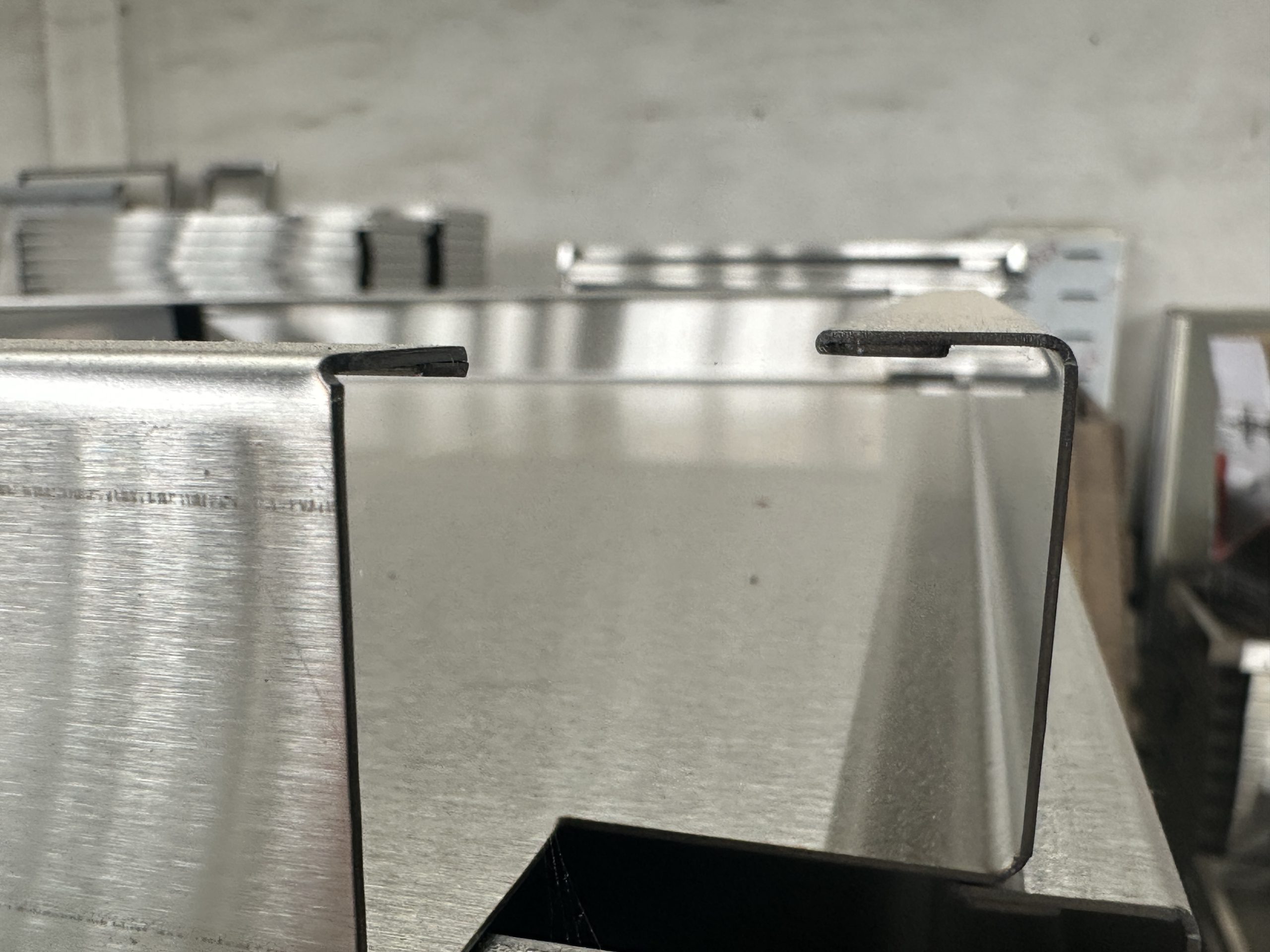
The Complete Buyer’s Guide to Stainless Steel Grades in Commercial Kitchen Equipment
Stainless steel is widely used in commercial kitchens, but its grades are not interchangeable. The alloy in work tables, sinks and equipment affects durability and corrosion resistance. Inspection acceptance also depends on equipment design, surface finish, cleanability and applicable requirements; a grade name alone does not establish compliance.
This guide explains the stainless steel grades used in commercial kitchen equipment, how to tell them apart, and why the grade matters more than you might think.
What Is Stainless Steel?
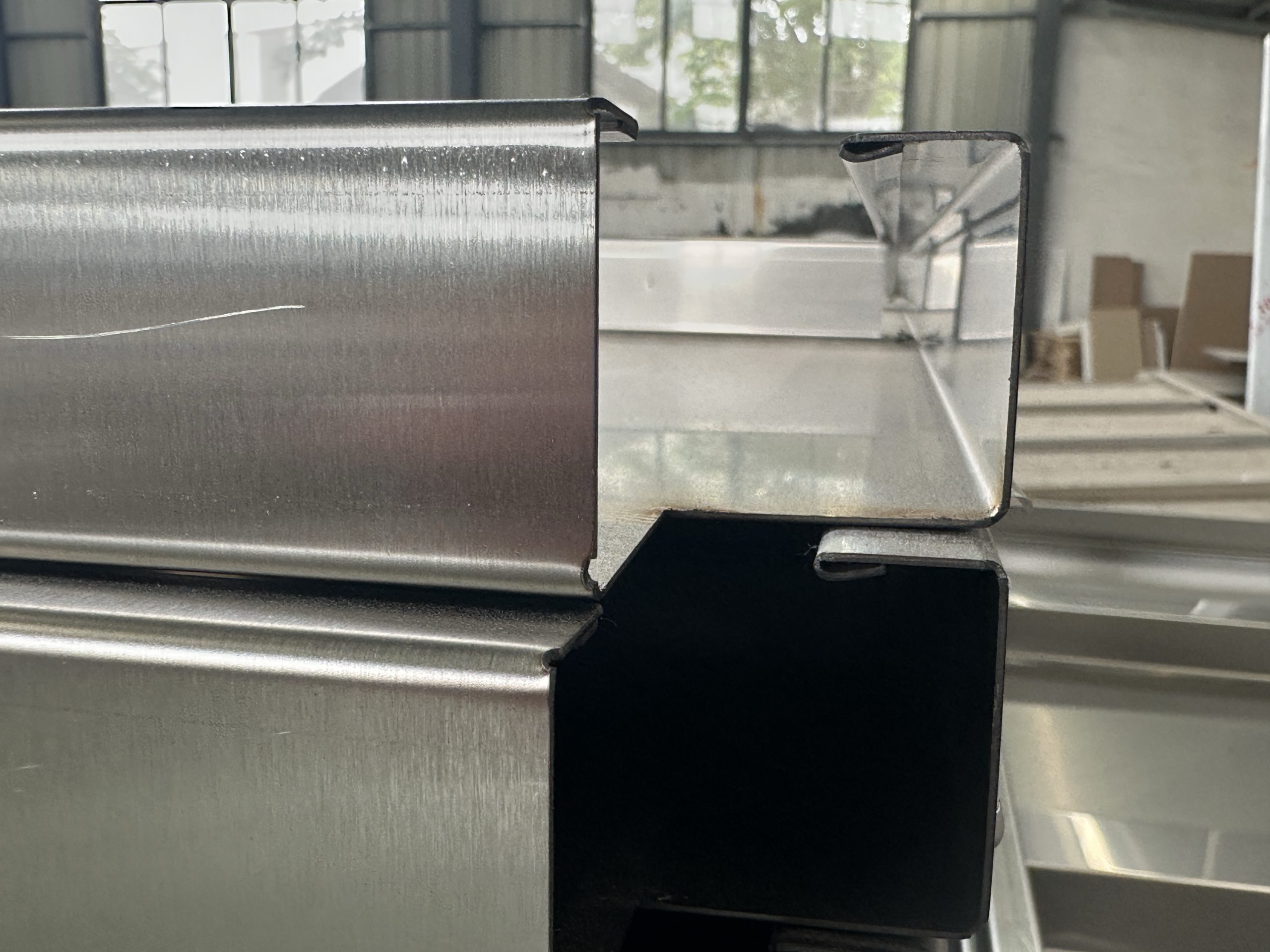
Stainless steel is an iron alloy containing chromium. A passive surface film helps resist corrosion. Corrosion performance depends on alloy composition, surface condition and environment, including chlorides, temperature and cleaning chemicals; chromium percentage alone does not rank every grade.
The Main Grades Used in Commercial Kitchens
304 Stainless Steel (18/8)
304 commonly provides better corrosion resistance than 430 in many kitchen exposures, but neither the grade name nor price alone proves food-contact suitability. Ferritic 430 can be appropriate in suitable applications. Specify the material separately for each component, its operating environment, surface finish and cleaning method, then verify the supplied material.
316 Stainless Steel
316 contains molybdenum and commonly offers improved resistance to chloride pitting compared with 304. It may be appropriate for some salty, acidic or chemically demanding environments, but it is not immune to corrosion. Select the alloy for the actual exposure and cleaning conditions.
430 Stainless Steel
Magnetic response is a screening clue, not a grade identification test. Ferritic 430 is normally magnetic; austenitic 304 and 201 can develop magnetic response after cold working. A magnet cannot reliably distinguish 304 from 201. Match traceable material documents to the part and batch, and use a qualified composition test when grade verification is important.
201 Stainless Steel
201 contains more manganese and less nickel than 304 in its nominal alloy composition. It is often selected to reduce material cost, but suitability depends on exposure and finish. Equipment made from 201 can corrode or develop pitting in unsuitable conditions.
Why the Grade Matters
The grade of stainless steel directly affects:
- Corrosion resistance — Select the alloy for the actual moisture, chloride, temperature and cleaning exposure; no grade is corrosion-proof.
- Durability — Alloy, sheet thickness, structural design, workmanship and maintenance all affect service life.
- Food contact and cleanability — A grade name alone does not establish suitability. Check the component, surface finish, joint design and cleaning method.
- Health inspection compliance — Verify the actual equipment and food-contact surfaces against applicable local requirements.
- Long-term cost — Compare purchase, cleaning, maintenance and replacement costs for the proposed material and use conditions.
How to Tell the Grade Apart
You can’t always tell the grade by looking. But there are clues:
- Magnetic response is a screening clue, not a grade identification test. Ferritic 430 is normally magnetic; austenitic 304 and 201 can develop magnetic response after cold working. A magnet cannot reliably distinguish 304 from 201. Match traceable material documents to the part and batch, and use a qualified composition test when grade verification is important.
- Price — A low price does not identify an alloy. If 304 is specified, verify the material rather than inferring it from price.
- Documentation — Request traceable material documents that identify the relevant component and batch; check their authenticity and correspondence.
- Chemical spot-test kits provide limited screening and depend on the reagent, surface condition and operator. They do not conclusively certify an alloy grade. For important purchases, use traceable mill documentation and qualified material analysis; handheld XRF also has limitations and does not measure all elements needed for every grade distinction.
Learn more about 304 vs 430 stainless steel and how to verify your equipment is real 304.
Gauge Thickness Matters Too
Steel thickness is one factor in structural strength, alongside leg design, reinforcement, joints and load. Even a 304 table may wobble or dent if its construction is unsuitable. Our guide to sheet thickness and gauge explains what to check.
Welding Quality
Rough, porous or cracked welds can retain soil, impair cleaning and create an inspection concern. Specify the joint design and required finish for the actual food-contact or structural application and verify the supplied workmanship. See our guide to welding seams.
Small Parts Matter
Hinges, casters, and handles are often the first things to fail on cheap equipment. Our guide on small parts that ruin cheap equipment covers what to check.
Protect Yourself from Material Substitution
One of the biggest risks when importing is material substitution – a factory using cheaper steel than specified. Learn how to prevent this in our guide on sample vs bulk order material switching.
Zibo Cook’s Approach to Materials
Ask Zibo Cook to confirm the grade and thickness of each component, available traceable material documents, surface finish and applicable food-contact requirements for the quoted model. Learn more about Zibo Cook and its commercial refrigerators and freezers.
Ready to source quality commercial kitchen equipment? Request a quote today.
Scope and verification
Supplier descriptions and historic examples should be verified for the exact order. Request a dated specification, component materials and thickness, applicable model documents, inspection criteria, warranty, production timing and itemized delivery quotation before committing.
Send the product or drawing, quantity, destination and required date. Ask us to confirm the configuration, applicable documentation and itemized delivery scope.