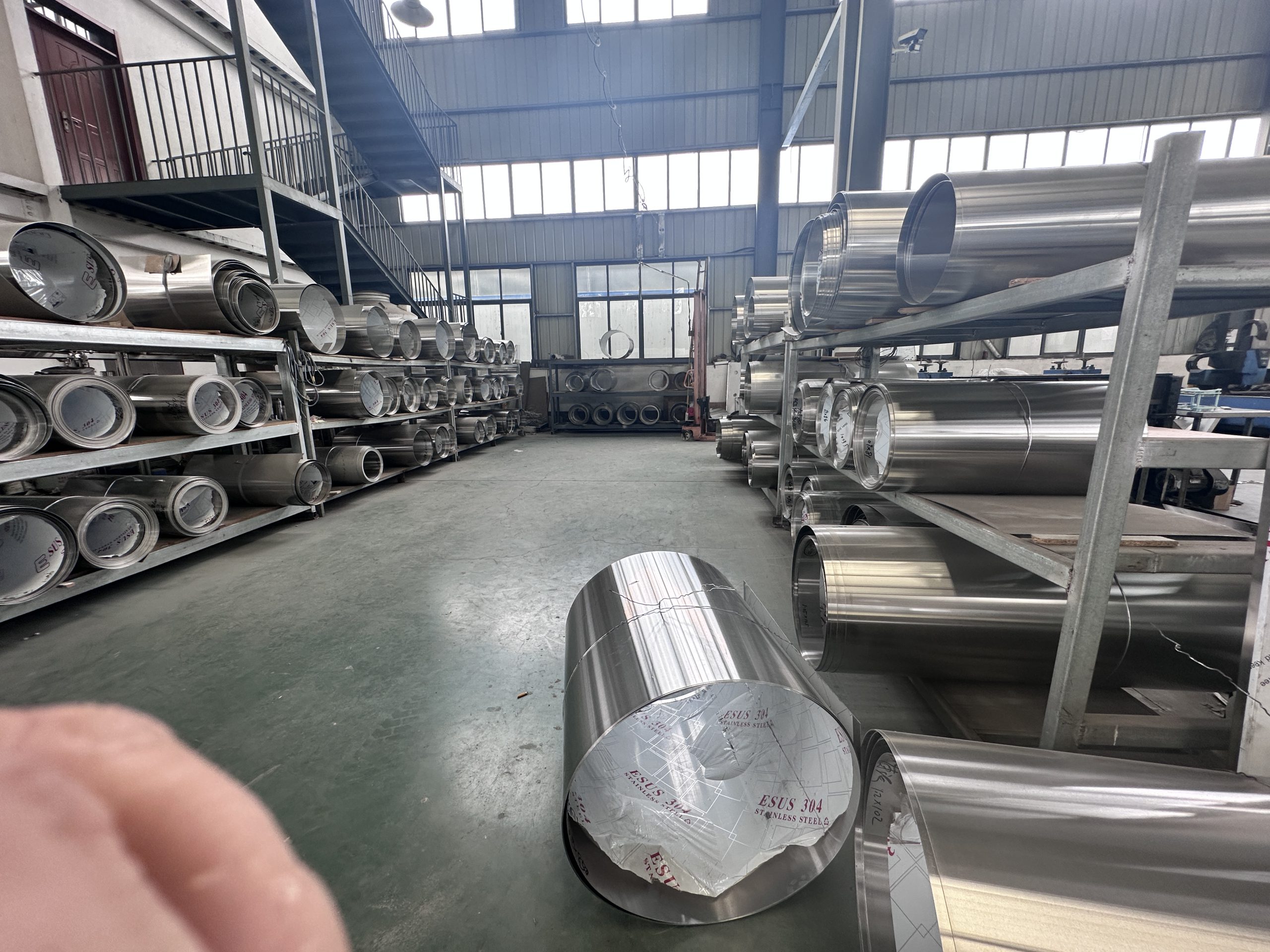
304 vs 430 Stainless Steel: How to Choose for Commercial Kitchens
When buying commercial kitchen equipment, you’ll often see two grades of stainless steel: 304 and 430. They look similar, but they perform very differently. Here’s what you need to know to make the right choice.
What’s the Difference?
| Property | 304 Stainless | 430 Stainless |
| Chromium | Nominal 18%; confirm the material standard and batch | 16-18% |
| Nickel | Nominal 8%; confirm the material standard and batch | No intentional nickel addition; permitted composition depends on the standard |
| Corrosion Resistance | Often better in demanding kitchen exposures; not corrosion-proof | Depends on exposure, surface finish and cleaning |
| Magnetic response (screening clue only) | Often weak before cold working; not proof of grade | Normally magnetic; not proof of grade |
| Cost | Often higher; compare the same specification | Often lower; compare the same specification |
Is 430 Safe for Food Contact?
430 can be suitable for food contact when the specific component, surface finish, cleaning method and applicable requirements are appropriate. For demanding wet or chloride exposures, 304 often offers a larger corrosion-resistance margin, but suitability must be verified for the actual application.
Where 430 Is Acceptable
430 may be appropriate for equipment frames, splashbacks, decorative panels or selected food-contact applications, depending on exposure and cleanability. 304 is a common choice for work surfaces and sinks exposed to demanding conditions; it is not a universal legal requirement.
How to Tell Them Apart
Magnetic response is a screening clue, not a grade identification test. Ferritic 430 is normally magnetic; austenitic 304 and 201 can develop magnetic response after cold working. A magnet cannot reliably distinguish 304 from 201. Match traceable material documents to the part and batch, and use a qualified composition test when grade verification is important.
Real Case: When Corrosion Isn’t a Material Defect
Not every stain or pit on stainless steel means the grade was wrong — sometimes it’s chloride exposure attacking an otherwise correct material. See our case study on chloride-induced pitting for a real example of how we diagnosed it.
Why It Matters for Your Business
Choosing an appropriate alloy, finish and equipment design affects service life, inspection acceptance and long-term costs. Using 304 alone does not guarantee that equipment will remain corrosion-free; installation, cleaning and maintenance still matter.
Learn More
304 commonly provides better corrosion resistance than 430 in many kitchen exposures, but neither the grade name nor price alone proves food-contact suitability. Ferritic 430 can be appropriate in suitable applications. Specify the material separately for each component, its operating environment, surface finish and cleaning method, then verify the supplied material. See the Complete Buyer’s Guide to Stainless Steel Grades, learn about Zibo Cook, or request a quote.
Scope and verification
Supplier descriptions and historic examples should be verified for the exact order. Request a dated specification, component materials and thickness, applicable model documents, inspection criteria, warranty, production timing and itemized delivery quotation before committing.
Send the product or drawing, quantity, destination and required date. Ask us to confirm the configuration, applicable documentation and itemized delivery scope.