Energy-Efficient Commercial Kitchen Equipment: Does It Really Save You Money?
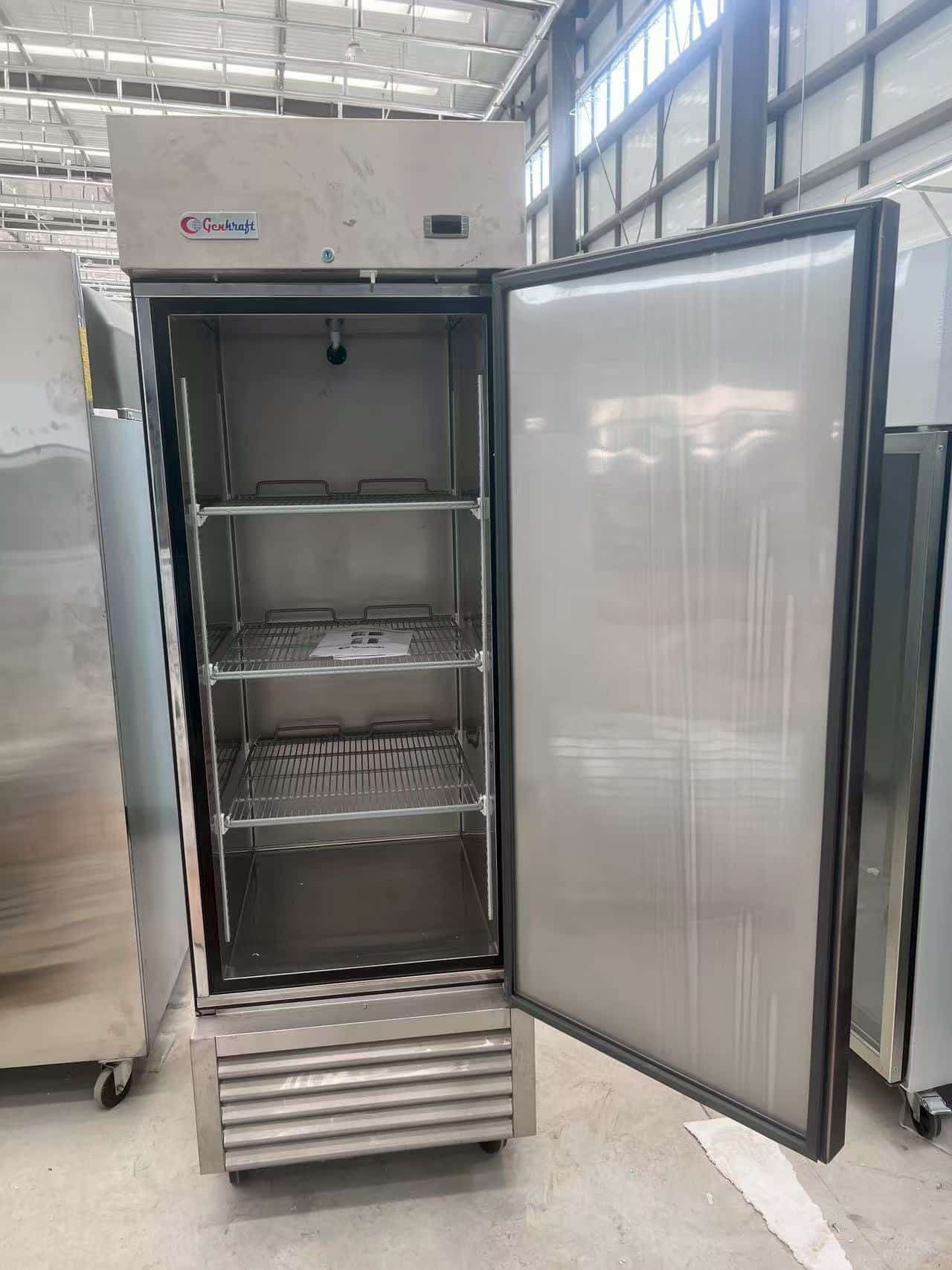
Compare model-specific energy use, local utility rates and delivered costs to calculate annual savings and simple payback.
 Ram Guo
Compare model-specific energy use, local utility rates and delivered costs to calculate annual savings and simple payback.
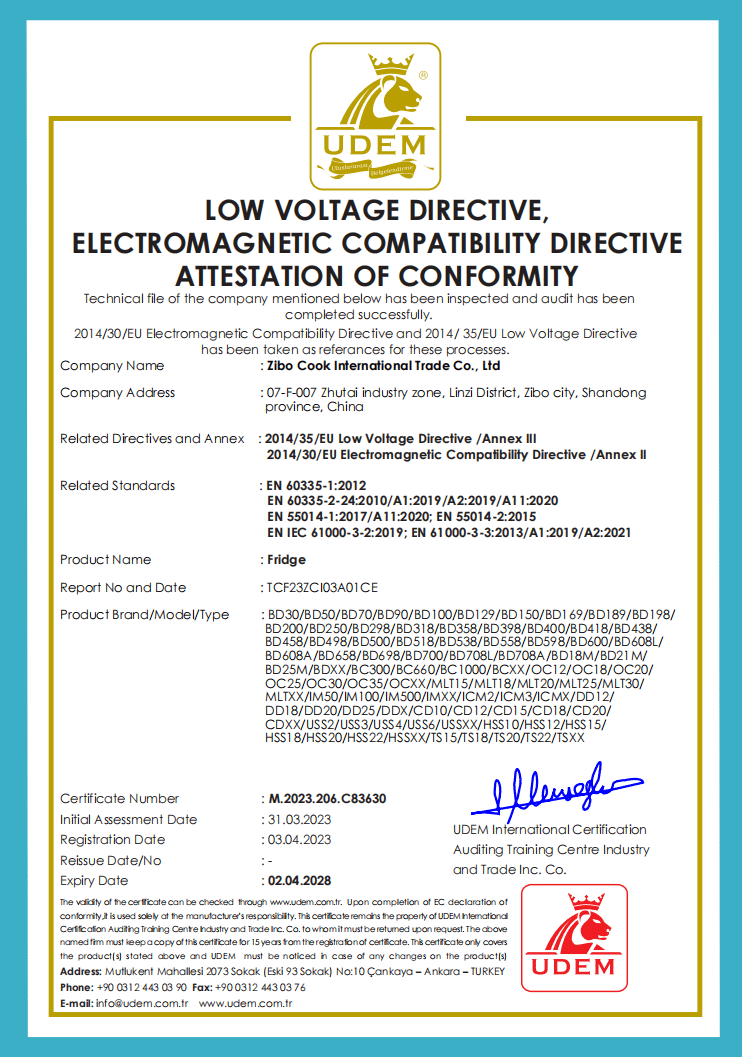
NSF certification assesses the listed food-equipment model against the applicable sanitation standard, including relevant material, design and cleanability requirements. Verify the current model listing and its…
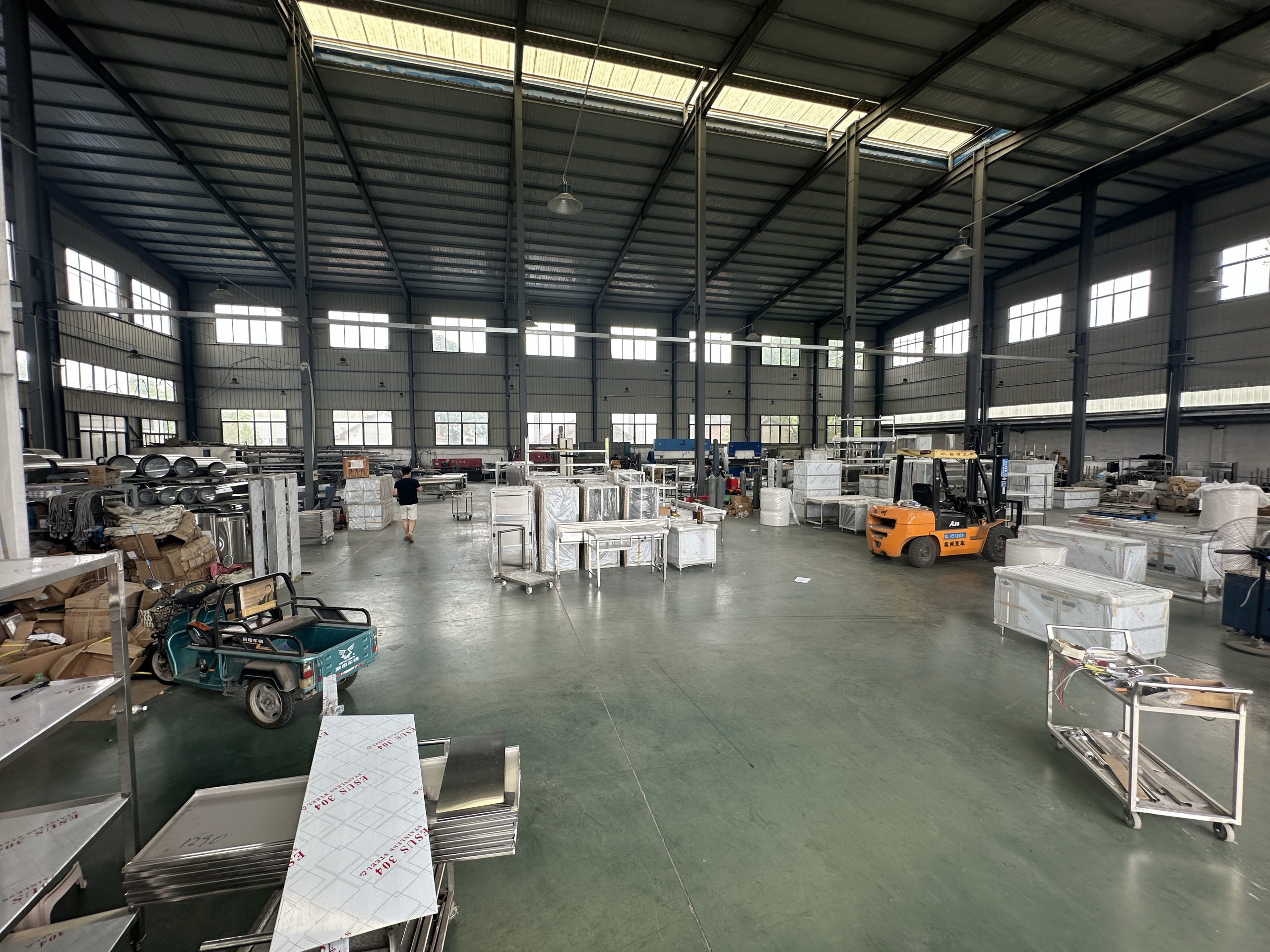
Factories, trading companies and local distributors can all serve a buyer well. Their roles alone do not prove product quality, price or delivery reliability. For your order, confirm who manufactures it, who sells…
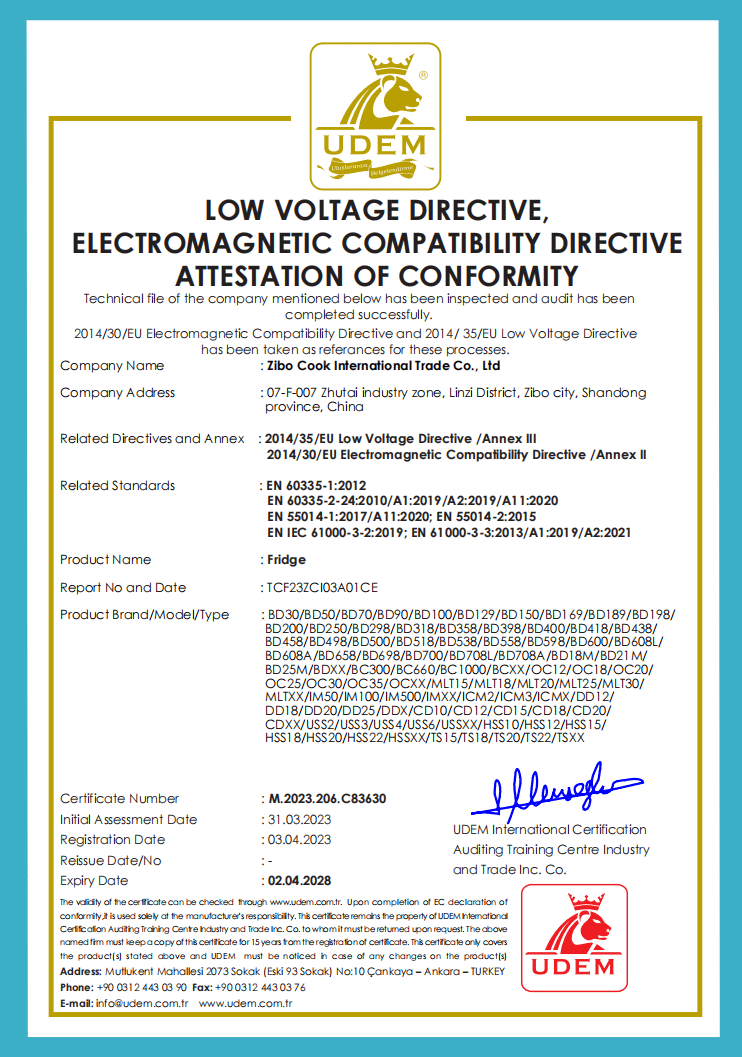
Safety failures can cause illness, fire, enforcement action, operational interruption and disputed insurance claims. Assess the actual risks and applicable requirements.
Maintenance is usually framed as a hygiene issue. It is more usefully framed as an arithmetic one.
Equipment lists are usually written backwards. A buyer opens a supplier catalogue, marks the items that look necessary, and ends up with a kitchen that has three items it never uses and is missing the one it needs at…

Confirm usable storage, room access, electrical supply and the model’s drainage arrangement before ordering. Different units use drains or condensate evaporation; a dedicated floor drain is not universal.
Commercial kitchen equipment is a major investment. If you don’t have the cash upfront, financing can help you spread the cost. Here are your options and how to choose.
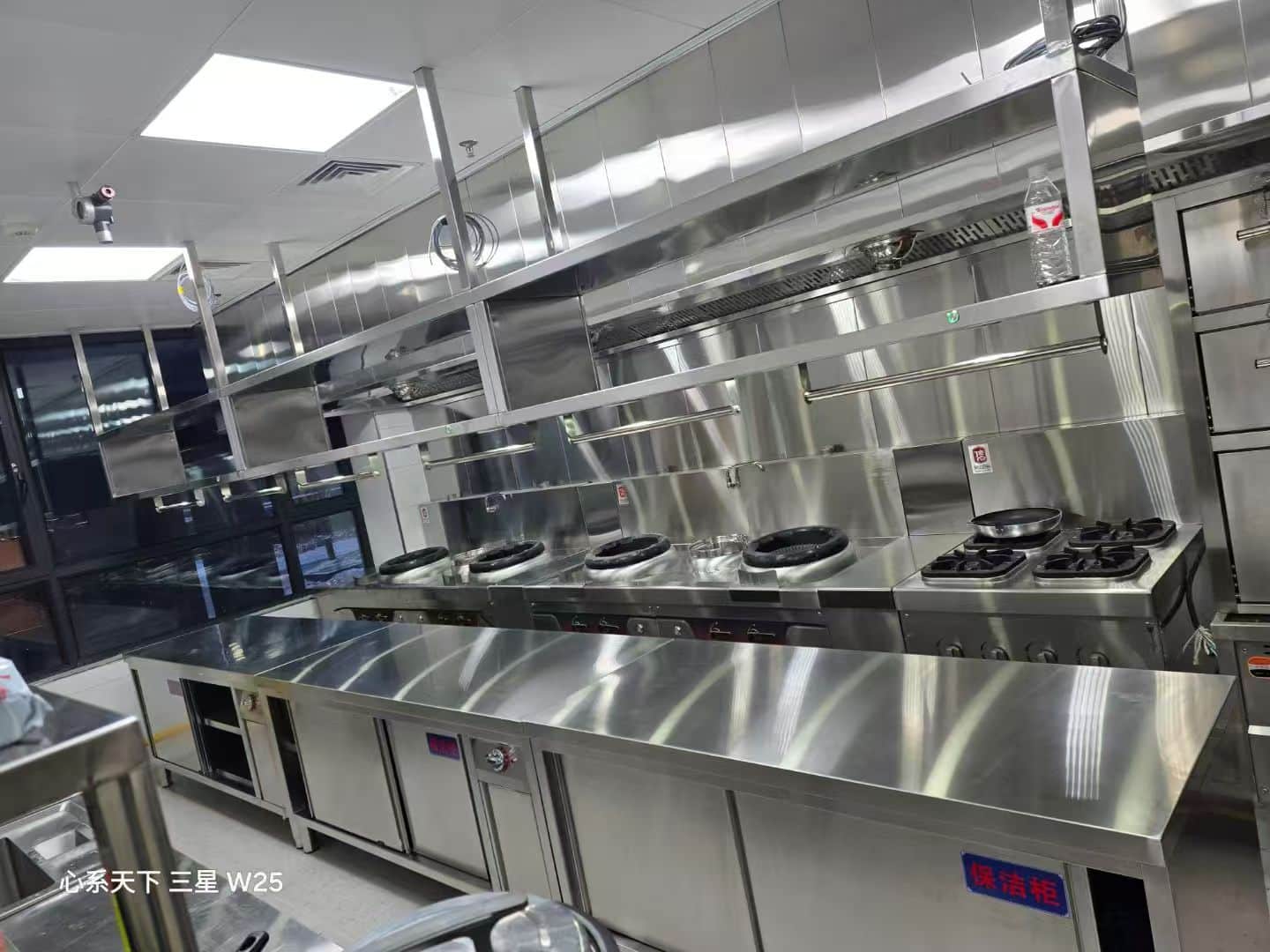
Planning problems may emerge after opening: a crowded pass, poor hood capture or incompatible power. A hand sink 12 feet away requires assessment of access and the adopted code, not automatic rejection by distance…
Should you import commercial kitchen equipment from China or buy locally? The answer depends on your budget, timeline, and risk tolerance. Here’s an honest comparison to help you decide.