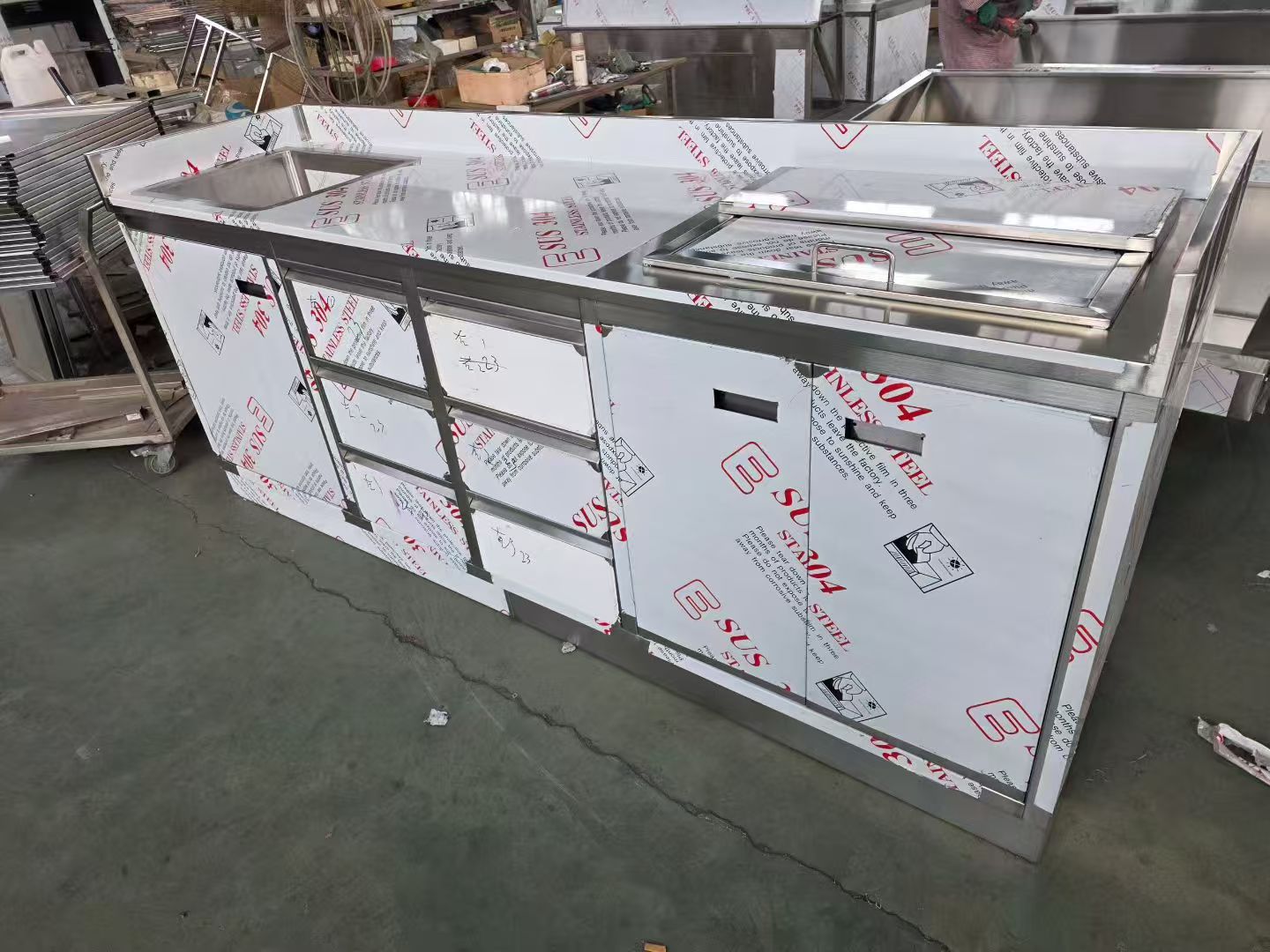
How to Tell If Your Stainless Steel Kitchen Table Is Real 304 Grade (Before You Buy)
A stainless steel preparation table can look similar in grades 304, 201 or 430. Appearance and price do not establish composition. Before buying, verify the stated grade for each component and the intended exposure.
Why It Matters
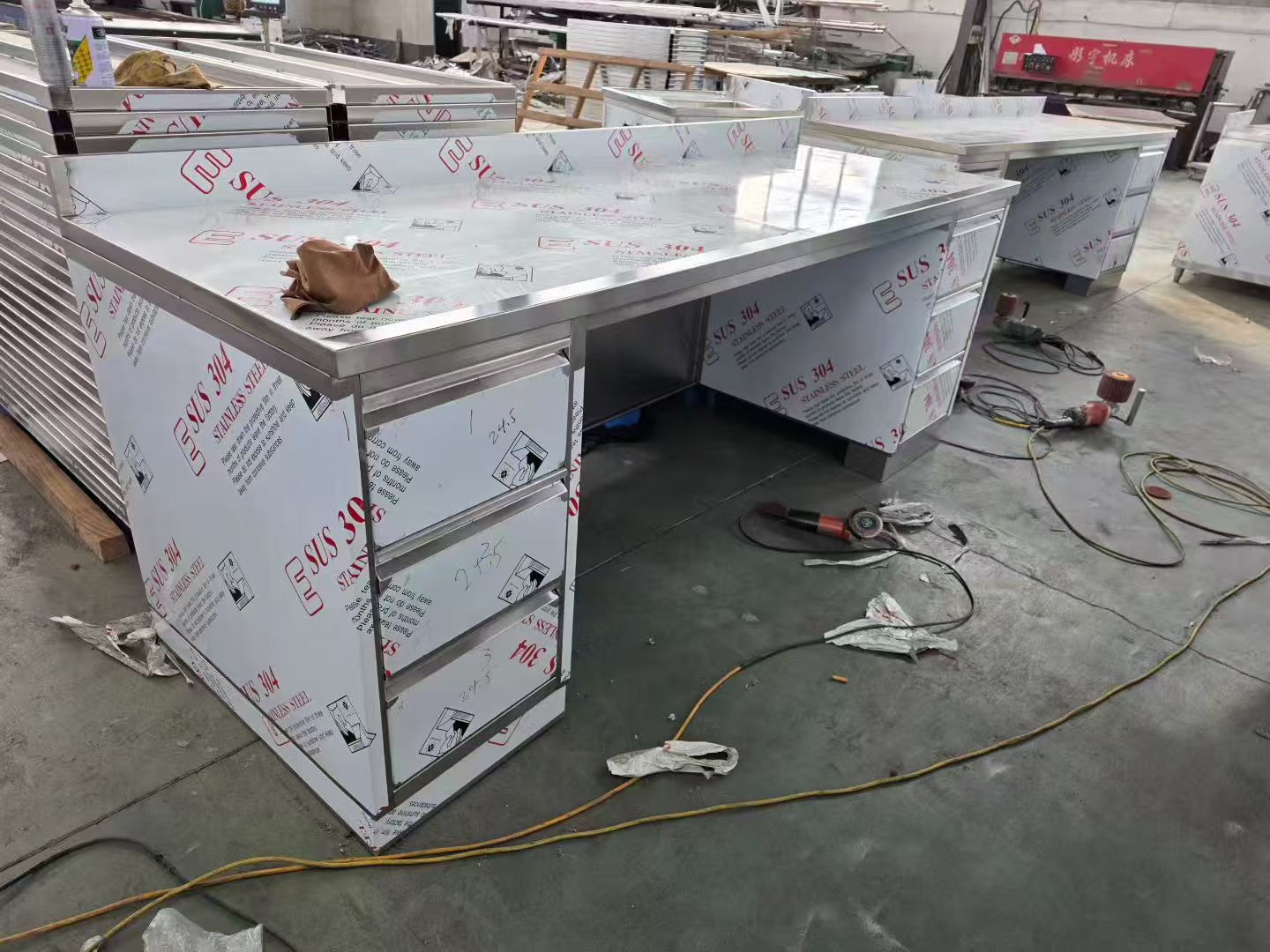
304 commonly provides better corrosion resistance than 430 in many kitchen exposures, but neither the grade name nor price alone proves food-contact suitability. Ferritic 430 can be appropriate in suitable applications. Specify the material separately for each component, its operating environment, surface finish and cleaning method, then verify the supplied material.
Method 1: Use a Magnet Only for Preliminary Screening
Magnetic response is a screening clue, not a grade identification test. Ferritic 430 is normally magnetic; austenitic 304 and 201 can develop magnetic response after cold working. A magnet cannot reliably distinguish 304 from 201. Match traceable material documents to the part and batch, and use a qualified composition test when grade verification is important.
Method 2: Check the Documentation
Request traceable material documents identifying the component, steel grade, applicable material standard and batch. Check that the documents match the supplied parts; agree suitable material testing where needed. For a Zibo Cook order, also confirm the producing facility, inspection access and correction procedure in writing.
Method 3: Understand the Limits of Test Kits
Chemical spot-test kits provide limited screening and depend on the reagent, surface condition and operator. They do not conclusively certify an alloy grade. For important purchases, use traceable mill documentation and qualified material analysis; handheld XRF also has limitations and does not measure all elements needed for every grade distinction.
Method 4: Check the Price
Price can prompt further checks but cannot prove the alloy grade. Compare equivalent dimensions, thickness, reinforcement, finish and documentation before deciding whether a lower quote changes the specification.
Method 5: Ask the Right Questions
Ask the supplier: ‘Which stainless steel grade and material standard apply to each component, and which traceable documents can you provide?’ A clear answer is a starting point, not proof of composition. Verify the documents against the supplied material and agree testing where necessary.
Protect Yourself from Substitution
Even if the sample is real 304, bulk production might use cheaper steel. Learn how to prevent material switching between sample and bulk orders.
Learn More
Read the guide to stainless steel grades and the 304 vs 430 comparison. Then request a quote from Zibo Cook specifying the required components and asking for written confirmation of 304 material.
Scope and verification
Supplier descriptions and historic examples should be verified for the exact order. Request a dated specification, component materials and thickness, applicable model documents, inspection criteria, warranty, production timing and itemized delivery quotation before committing.
Send the product or drawing, quantity, destination and required date. Ask us to confirm the configuration, applicable documentation and itemized delivery scope.