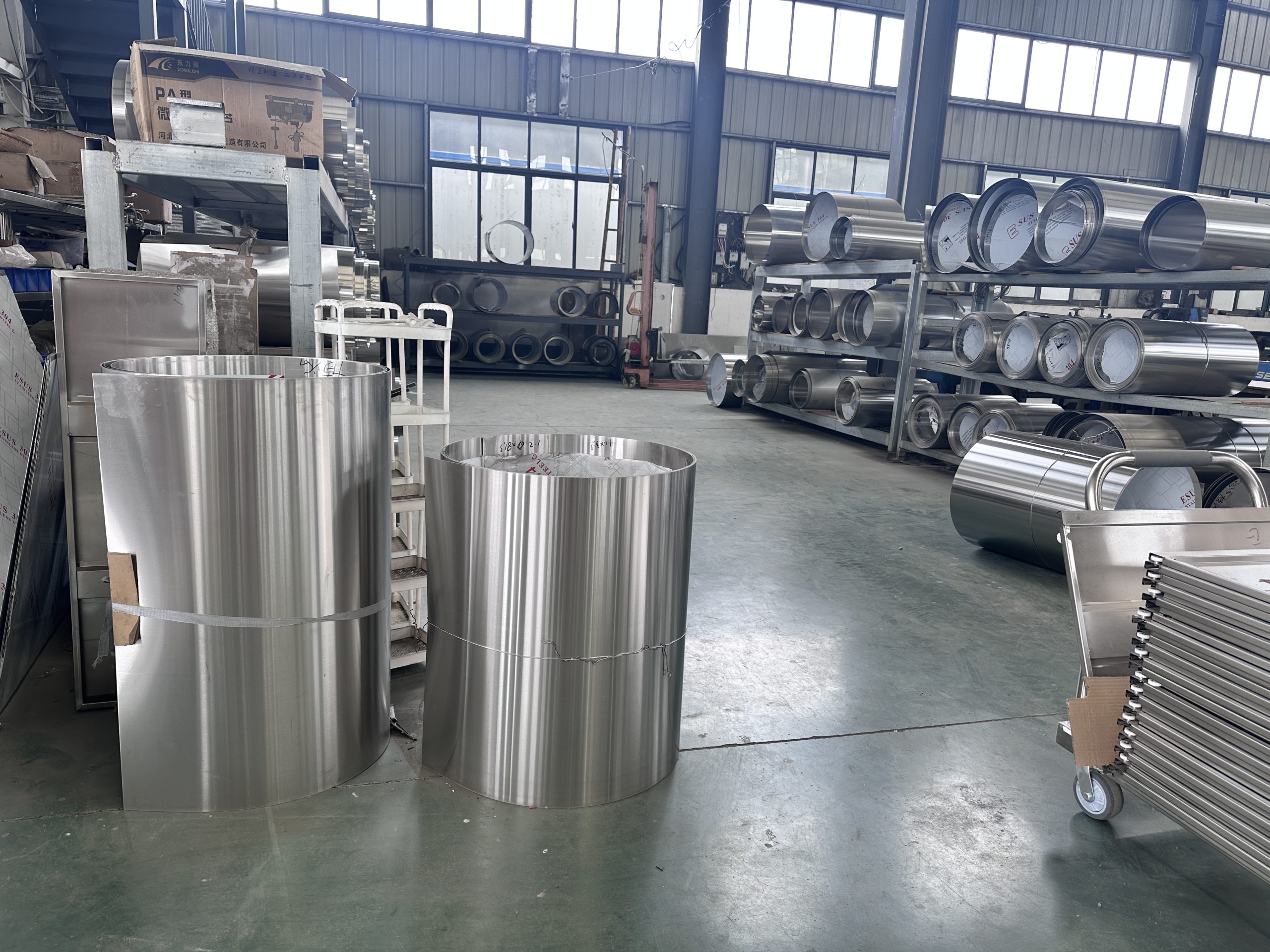
Sample vs Bulk Orders: Reducing the Risk of Material Substitution
A sample can meet your expectations while the production order arrives with thinner steel, different components or a different alloy. A satisfactory sample does not prove that every production unit meets the same specification. Here is how to reduce the risk of unauthorized material substitution.
How Material Differences Can Arise
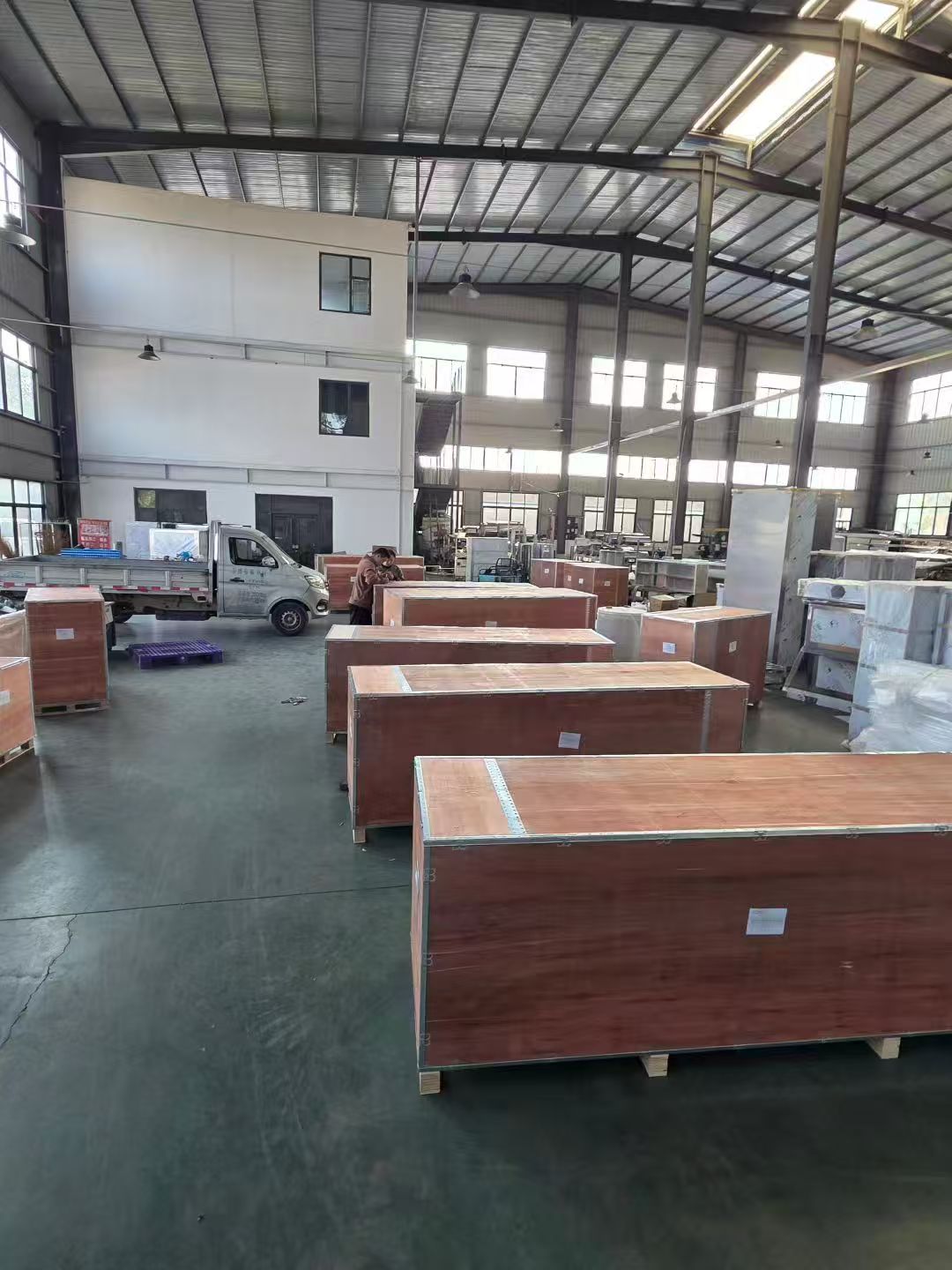
Material differences may result from an unauthorized substitution, an unclear specification or poor production control. Replacing an agreed material with a cheaper alternative can reduce a supplier’s costs, but you should verify the actual difference and its cause rather than infer intent from appearance alone.
How to Protect Yourself
1. Specify Materials in Writing
Put the exact stainless steel grade, material standard and nominal thickness in writing; specify the gauge system if one is used. Identify the components, such as compressor and controller brands. Agree the inspection criteria and correction procedure so the sample and production order can be checked against the same specification.
2. Request Material Certificates and Traceability
Ask for mill test certificates and batch traceability linking the document to the actual material and component. A certificate alone does not prove which steel was installed. Agree appropriate sampling and composition testing when material substitution is a concern.
3. Use Third-Party Inspection
Arrange inspection before shipment and agree its scope, sampling plan and any material tests in advance. A third-party inspection checks the selected items against agreed criteria; it does not automatically prove the composition of every component.
4. Take Photos of the Sample
Document your sample thoroughly – photos, measurements, and specifications. Compare the bulk order against these records.
5. Agree the Relationship between Payment and Inspection
Agree payment milestones and the procedure for handling inspection findings before ordering. Where the agreed terms link a balance payment to inspection acceptance, define the acceptance criteria and how nonconformities must be resolved before payment. This arrangement must be negotiated; it is not a default supplier commitment.
Red Flags to Watch
- Factory is vague about materials in the contract
- Factory resists third-party inspection
- The production price is much lower than the sample price without an explanation of quantity, configuration or cost differences
- Factory can’t provide material certificates
Learn More
Learn more about the stainless steel grades you should be specifying for your order.
Zibo Cook: Confirm the Production Specification
For an order from Zibo Cook, confirm the producing facility, component specification, available material documents, inspection access and correction procedure in writing. Check capability and scope against current evidence, and request a quote for the agreed configuration.
Scope and verification
Supplier descriptions and historic examples should be verified for the exact order. Request a dated specification, component materials and thickness, applicable model documents, inspection criteria, warranty, production timing and itemized delivery quotation before committing.
Send the product or drawing, quantity, destination and required date. Ask us to confirm the configuration, applicable documentation and itemized delivery scope.