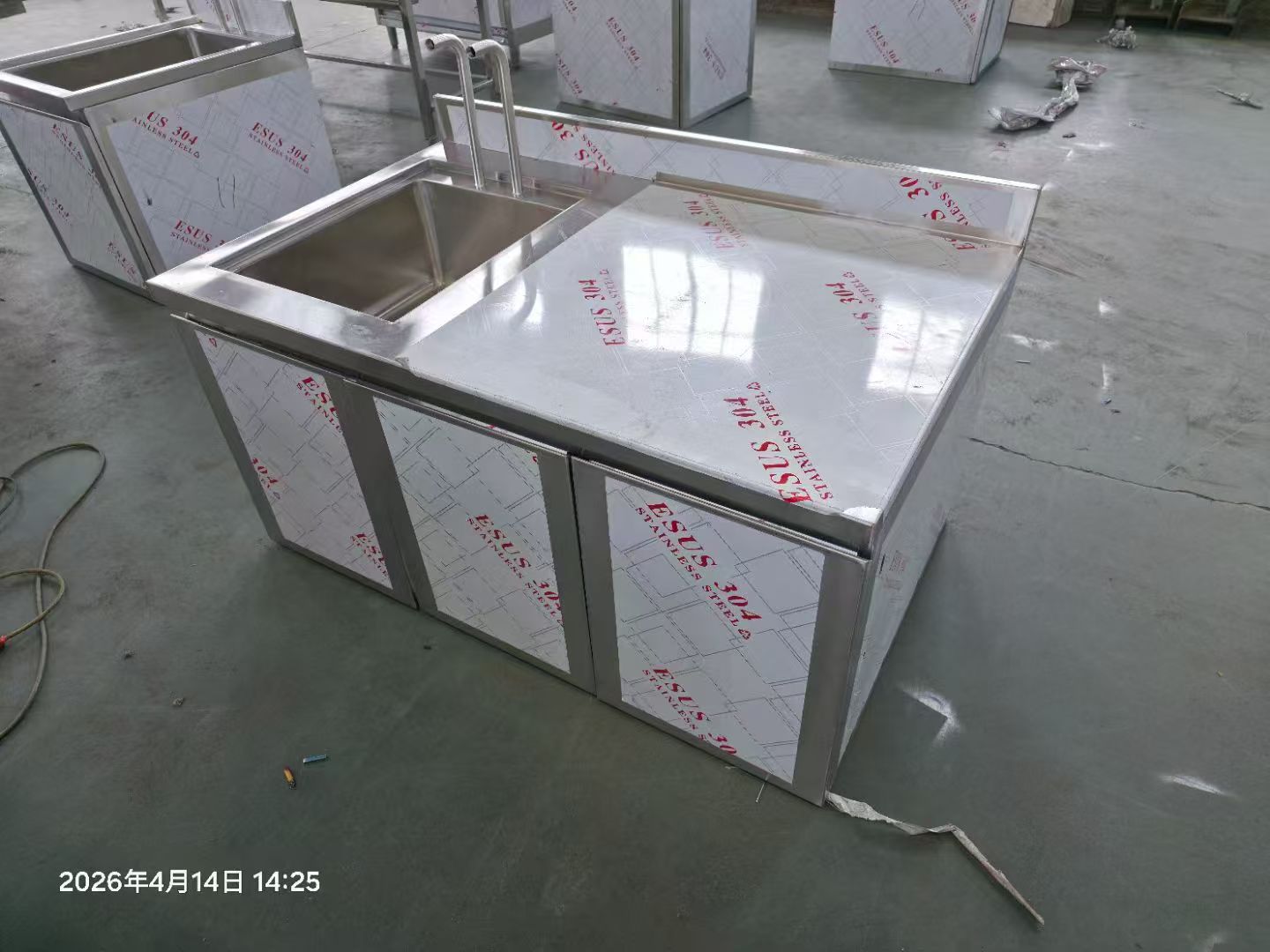
Why Does My Prep Table Wobble? Gauge Thickness Explained
A preparation table may wobble or dent because of inadequate sheet thickness, weak joints, missing bracing, unsuitable leg design, loading or an uneven floor. Thickness matters, but it is not the only factor. Check the complete construction and installation before deciding what to change.
What Is Gauge?
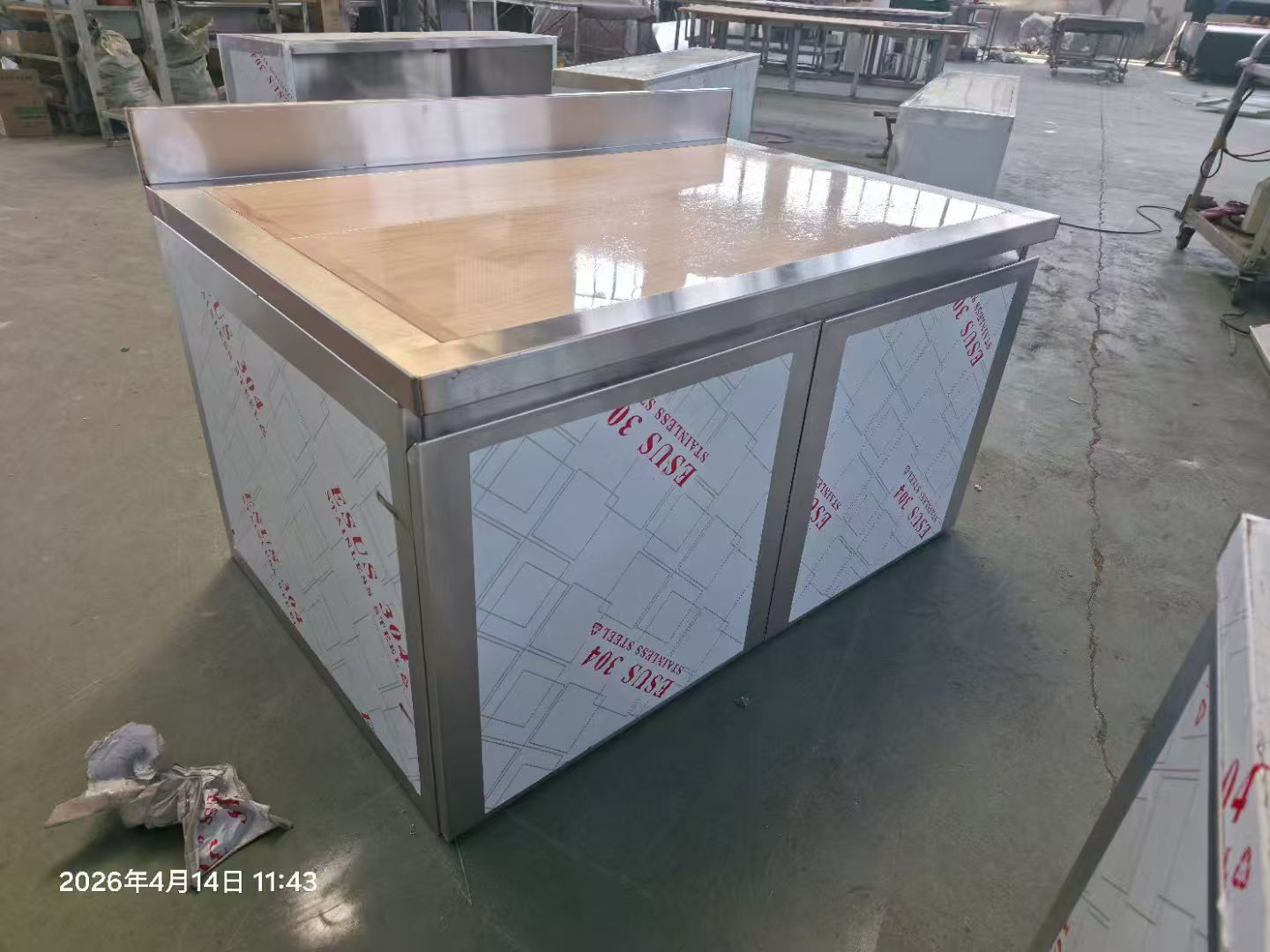
Gauge is a numbering system for sheet thickness. In common US sheet-metal systems, a lower number means a thicker sheet: 14-gauge is thicker than 18-gauge. However, the same gauge number can mean different thicknesses for stainless steel and ordinary sheet steel. Specify nominal thickness in millimetres and the applicable system and tolerance. The table below gives approximate nominal stainless steel references, not acceptance limits or guaranteed equipment performance.
Common Stainless Steel Gauges: Nominal References
| Gauge | Thickness | Typical Use |
| 14 | ~1.98 mm | Heavy-duty frames, legs |
| 16 | ~1.59 mm | Work surfaces, sinks |
| 18 | ~1.27 mm | Standard work surfaces |
| 20 | ~0.95 mm | Light-duty, backsplashes |
| 22 | ~0.79 mm | Light sheets and covers; suitability depends on design |
Nominal thickness reference: UniPunch
Why a Table May Wobble
Choose nominal thickness in millimetres and specify the applicable gauge system if used. Stability depends on the entire design: sheet thickness, span, reinforcement, joints, leg section, bracing, load and level adjustment. Agree a load and deflection requirement for the actual table instead of treating a gauge number as a guarantee.
What to Look For
- Thickness — Specify nominal sheet thickness in millimetres, its tolerance and the gauge system if used; do not rely on the gauge number alone.
- Legs and joints — Check leg sections, joint quality and reinforcement for the intended span and load.
- Cross-bracing — Suitable bracing can improve rigidity; verify the complete frame design.
- Reinforced edges — Folded or reinforced edges can limit flexing, but performance depends on the construction and load.
Gauge vs Grade
Gauge describes sheet thickness; grade, such as 304, describes the alloy specification. Neither alone proves that the whole table is stable. Even 304 material can dent or wobble in an unsuitable construction. Read our guide to stainless steel grades.
How to Verify Thickness
Ask for the nominal thickness and tolerance of the top, frame and legs. Measure accessible sheet sections with a suitable calibrated caliper or micrometer, accounting for surface finishes and measurement location. Compare the results with the agreed specification.
Zibo Cook: Confirm the Table Construction
Ask Zibo Cook to confirm the component thicknesses, frame design, reinforcement and agreed load criteria for the quoted model. Review its commercial refrigerators and freezers, or request a quote with the required dimensions and use conditions.
Scope and verification
Supplier descriptions and historic examples should be verified for the exact order. Request a dated specification, component materials and thickness, applicable model documents, inspection criteria, warranty, production timing and itemized delivery quotation before committing.
Send the product or drawing, quantity, destination and required date. Ask us to confirm the configuration, applicable documentation and itemized delivery scope.