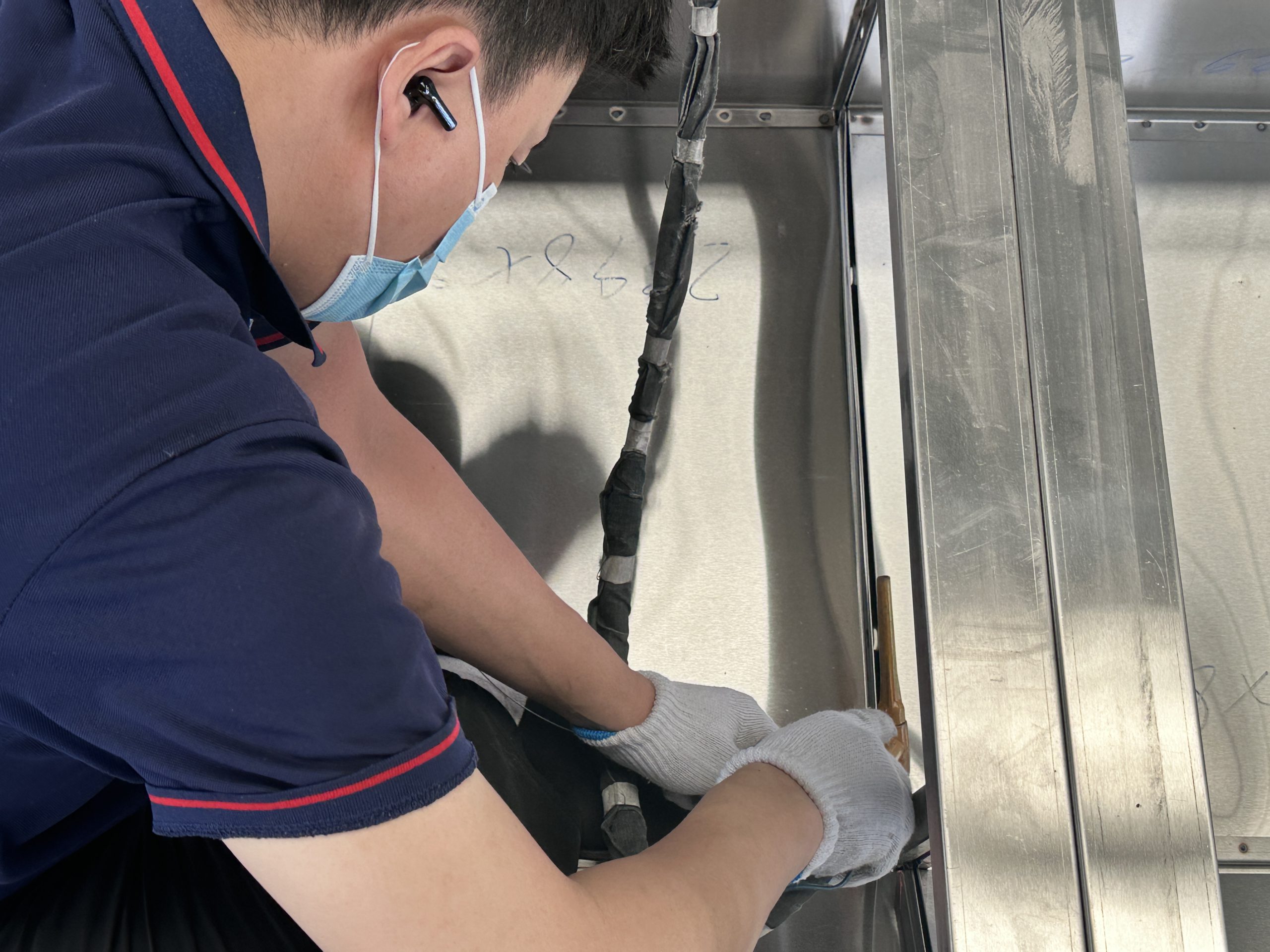
Welding Seams in Commercial Kitchens: Cleanability and Health Inspection Risks
Food-contact joints should meet the applicable design and sanitation requirements: smooth, durable, cleanable and free of defects that retain food residue or dirt. Required weld penetration and finishing depend on the joint and application. Appearance alone does not establish structural integrity or determine an inspection result.
Why Welds Matter for Food Safety
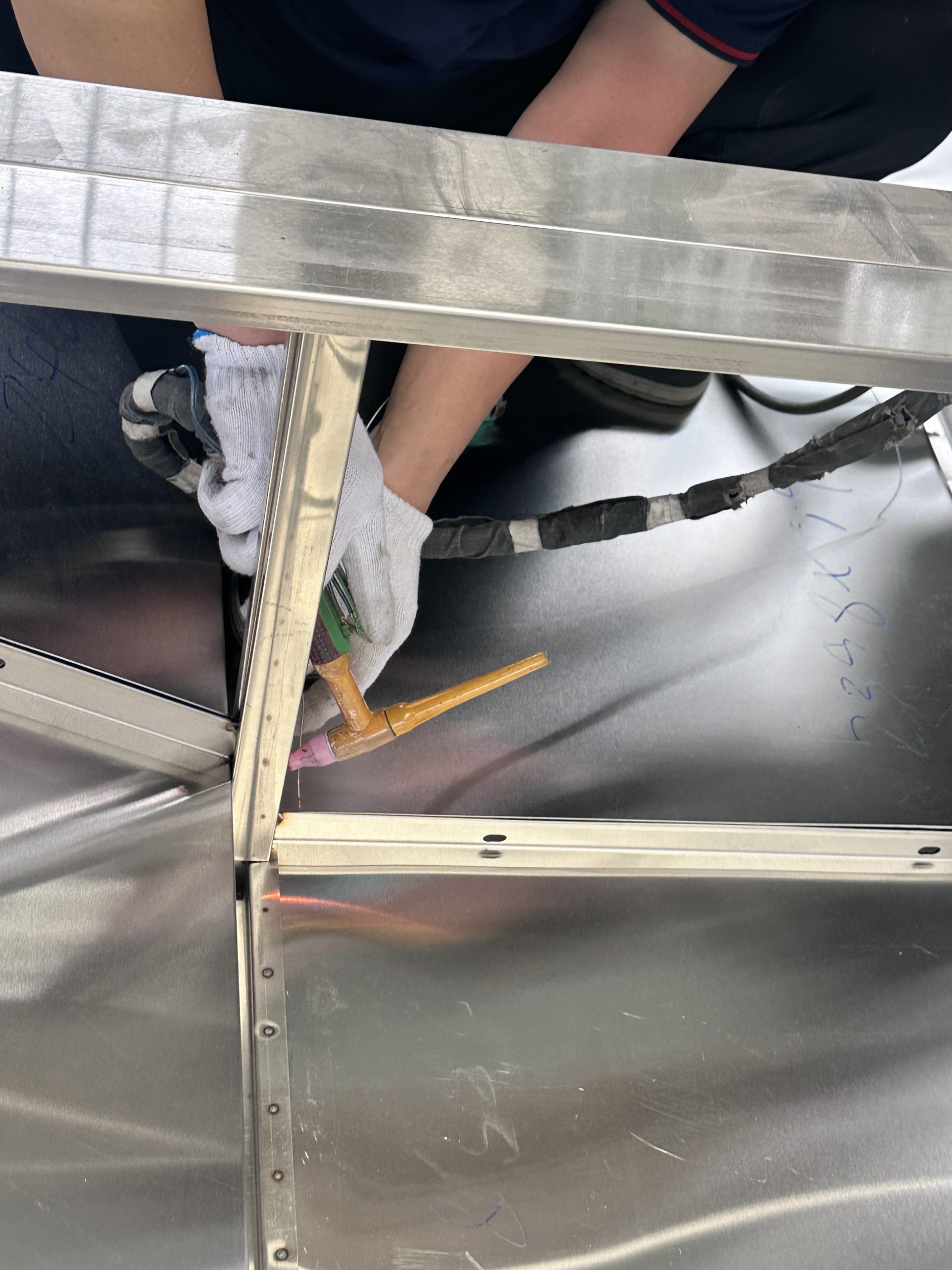
Commercial kitchen equipment is cleaned constantly with water, chemicals, and heat. If a weld seam is rough or porous, it creates tiny crevices where bacteria can survive even after cleaning. Health inspectors look for smooth, sanitary surfaces that are easy to clean.
What Good Welds Look Like
- Smooth and continuous – No gaps, pits, or porosity
- Food-contact joints should meet the applicable design and sanitation requirements: smooth, durable, cleanable and free of defects that retain food residue or dirt. Required weld penetration and finishing depend on the joint and application. Appearance alone does not establish structural integrity or determine an inspection result.
- Ground and polished – Finished to a smooth, cleanable surface
- Heat tint and oxidation – Specify and verify the post-weld cleaning and finish required for the application.
What Bad Welds Look Like
- Porous – Tiny holes that trap bacteria
- Rough or bumpy – Uneven surface that’s hard to clean
- Incomplete – Gaps or weak joints
- Discoloration – Investigate heat tint and surface treatment; color alone does not establish weld strength.
Sanitary Welding Standards
Food-contact joints should meet the applicable design and sanitation requirements: smooth, durable, cleanable and free of defects that retain food residue or dirt. Required weld penetration and finishing depend on the joint and application. Appearance alone does not establish structural integrity or determine an inspection result.
How to Check Welds Before You Buy
Ask the supplier for close-up photos of welds on the actual model. Look for smooth, cleanable seams, and inspect in person or by live video where possible. Request the relevant welding and finishing details from Zibo Cook.
Real Case: Is Weld Discoloration Actually a Defect?
A hotel client once rejected a batch of cabinets over yellow-brown discoloration around the weld seams, assuming it meant poor welding. Read the full story in our case study on weld heat tint on stainless steel to understand what actually determines weld quality.
Why It Matters for Your Business
Poorly designed or finished welds can hinder cleaning and contribute to inspection findings. Enforcement depends on the applicable local requirements and the actual condition. Specify cleanability, finish and inspection criteria before purchase.
Learn More
For more guidance, read our Buyer’s Guide to Stainless Steel Grades. Request a quote from Zibo Cook specifying the weld finish and cleanability required for your equipment.
Scope and verification
Regulatory examples apply to the named market. Confirm the locally adopted requirements and acceptance with the authority and a qualified designer. Translation does not make US, EU or other requirements universal. The FDA Food Code is a model for local adoption, not a single worldwide law.
Send the product or drawing, quantity, destination and required date. Ask us to confirm the configuration, applicable documentation and itemized delivery scope.