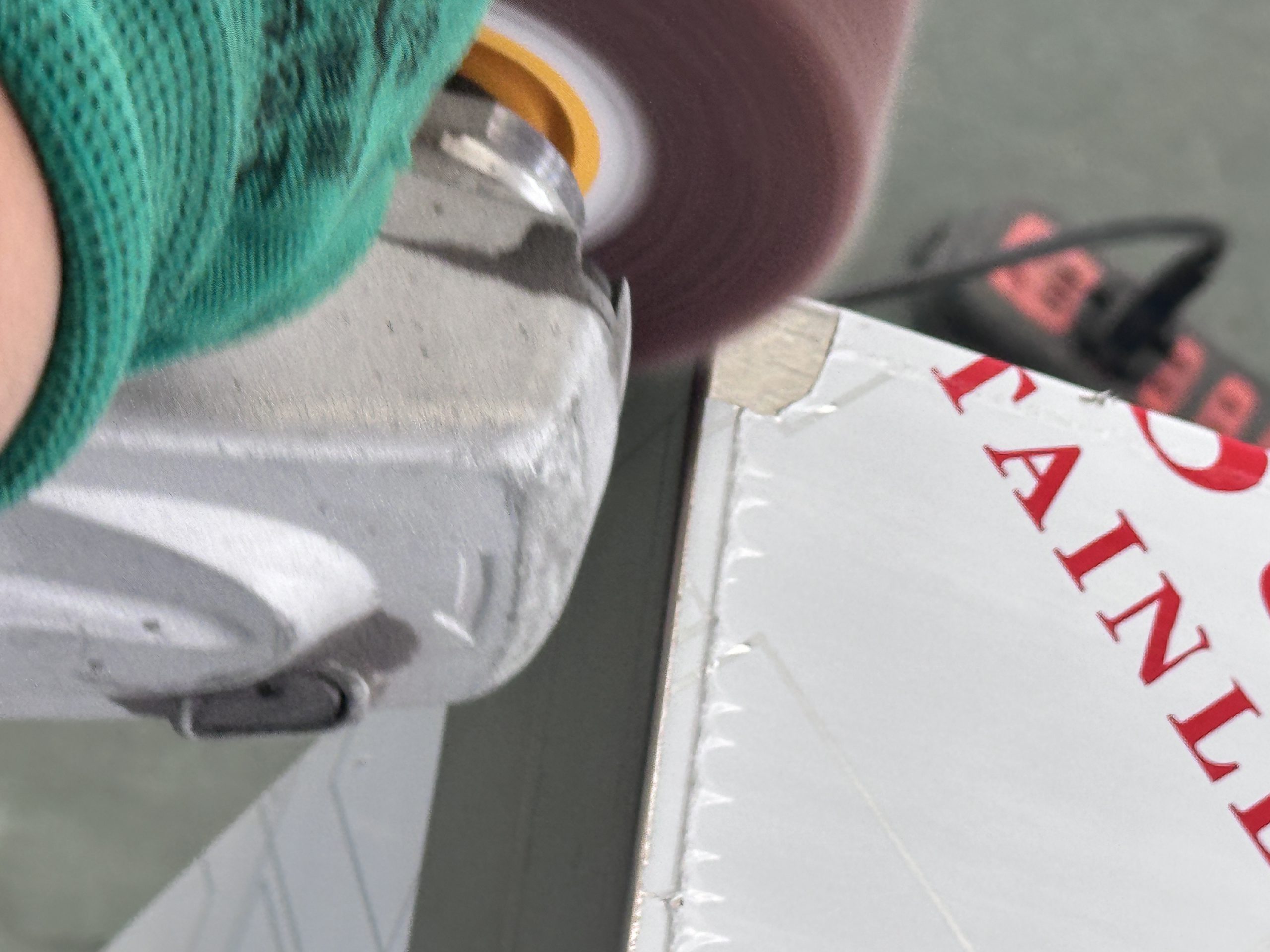
Stainless Steel Surface Treatment and Processing Methods
The surface finish and processing methods used in stainless steel kitchen equipment significantly affect its appearance, durability, and ease of cleaning.
What is Brushed Stainless Steel Finish?
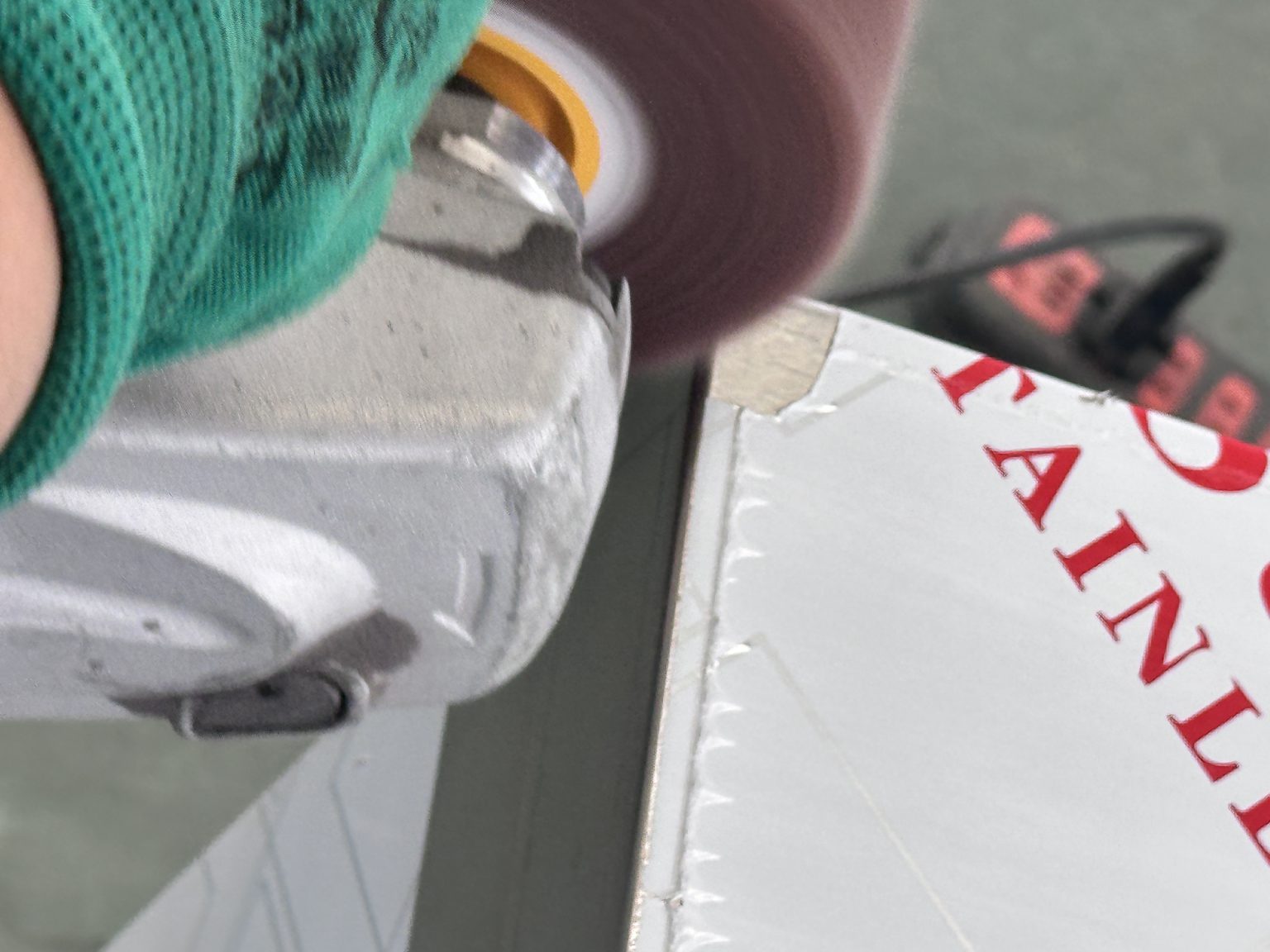
Brushed finish (also called satin finish) is created by mechanically abrading the stainless steel surface with abrasive belts or pads. This produces a uniform, directional grain pattern that:
1. Hides fingerprints and smudges: The directional grain makes minor marks less visible.
2. Reduces glare: The matte appearance reduces light reflection, making kitchens more comfortable.
3. Improves scratch resistance: Minor scratches blend into the existing grain pattern.
4. Easier to clean: The smooth surface is easier to wipe clean than a mirror-polished surface.
Brushed finish is the standard choice for commercial kitchen equipment because it balances aesthetics with practicality.
What is Matte (Sanded) Treatment?
Matte treatment, also known as sanded or satin finish, involves using progressively finer abrasives to create a smooth, non-reflective surface. The key characteristics include:
Grit levels: Common finishes include #240, #320, #400, and #600 grit. Higher numbers indicate finer, smoother finishes.
#240-#320: Coarser finish, good for areas that will be painted or coated.
#400: Standard commercial kitchen finish, balances appearance with practicality.
#600: Finer finish, more reflective, used for decorative applications.
Matte treatment is preferred for commercial kitchens because it minimizes glare, hides fingerprints, and is easier to maintain than polished surfaces.
Laser Cutting vs Stamping Cutting
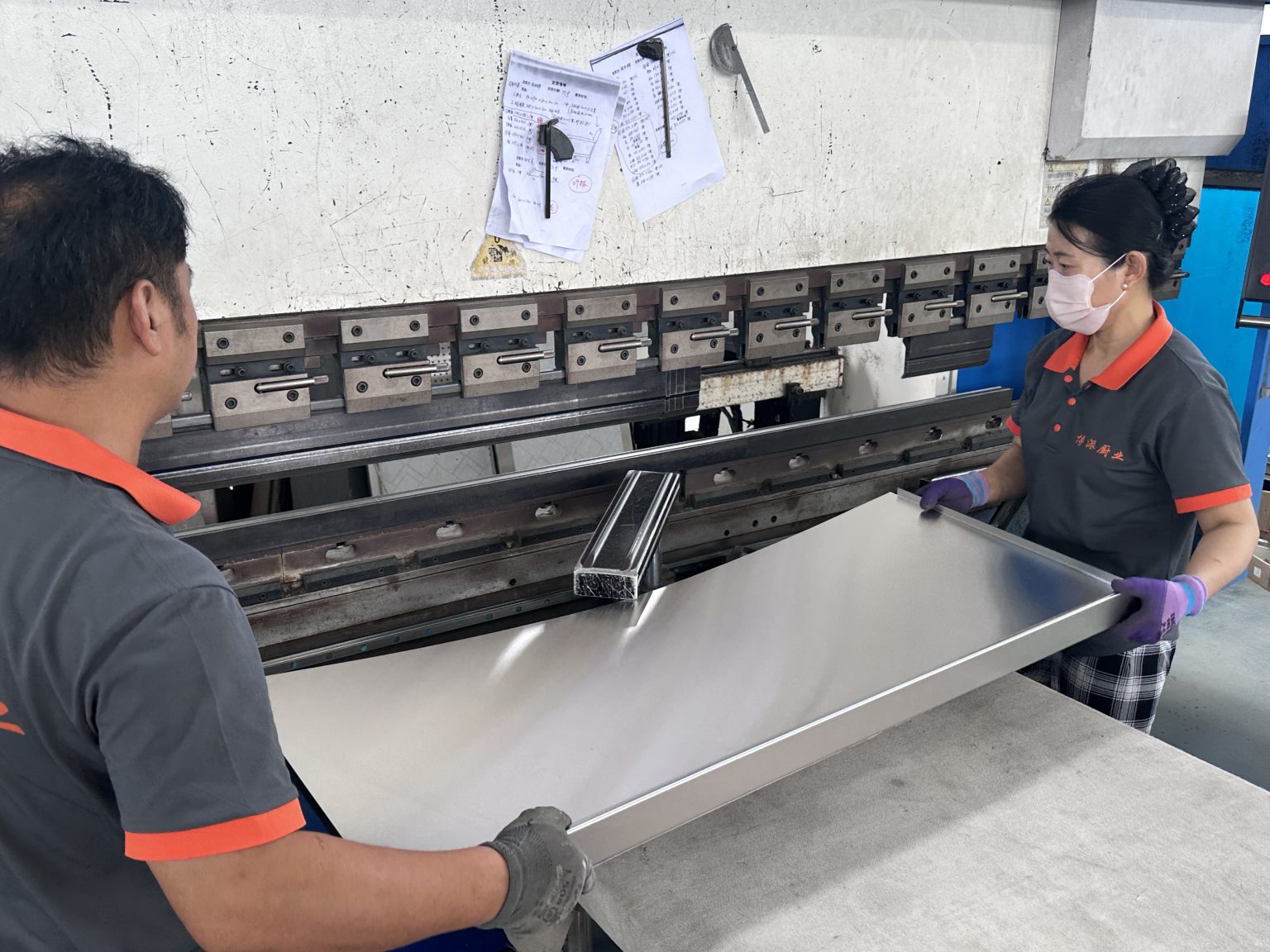
Laser cutting: Uses a high-powered laser beam to cut stainless steel with extreme precision.
Advantages:
– High precision (±0.1mm accuracy)
– No tooling costs for custom shapes
– Clean edges with minimal burr
– Ideal for complex shapes and small batches
Disadvantages:
– Higher per-piece cost for large production runs
– Heat-affected zone at cut edges
Stamping (punching) cutting: Uses a mechanical press with custom dies to cut or form stainless steel.
Advantages:
– Very fast for large production runs
– Lower per-piece cost at high volumes
– Consistent quality across all pieces
Disadvantages:
– High initial tooling cost
– Limited to shapes that fit the die design
– Not economical for small batches
Recommendation: For custom kitchen equipment with unique designs, laser cutting is preferred. For standard components produced in large quantities, stamping is more cost-effective.
Welding Techniques for Stainless Steel
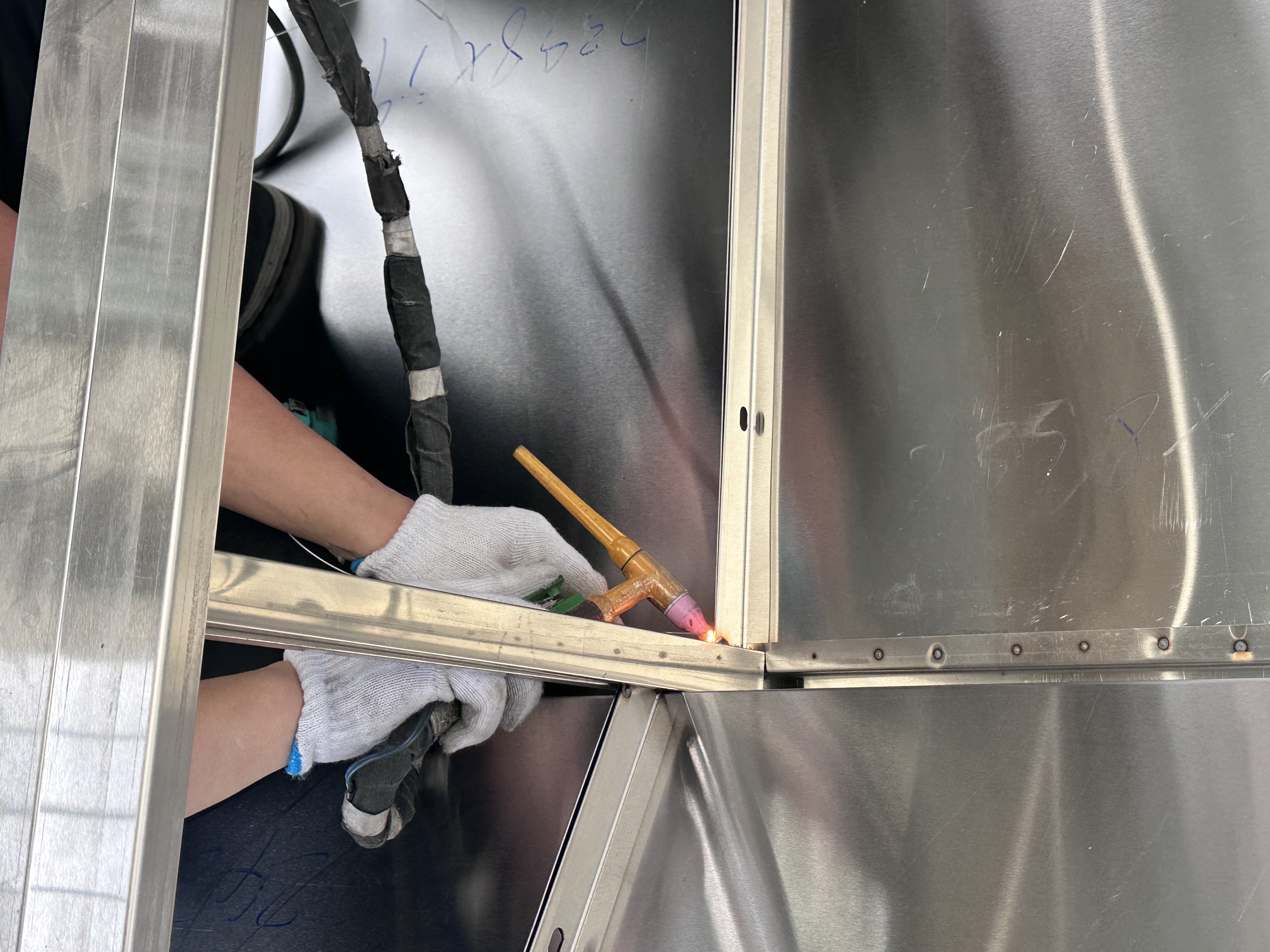
Several welding methods are used in commercial kitchen equipment fabrication:
TIG (Tungsten Inert Gas) welding: The preferred method for food-grade stainless steel. Produces clean, precise welds with excellent corrosion resistance. Ideal for thin materials (0.8-2.0mm) used in kitchen equipment.
MIG (Metal Inert Gas) welding: Faster than TIG but produces larger weld beads that require more grinding. Suitable for thicker materials and structural components.
Spot welding: Used for joining overlapping sheets. Common in shelving and panel fabrication.
Seam welding: Creates continuous welded seams, ideal for sink bowls and tanks.
For food contact surfaces, TIG welding is the industry standard because it produces smooth, clean welds that can be ground flush to prevent bacteria harborage.
Frequently Asked Questions
What is the difference between brushed and matte stainless steel?
Brushed finish has a directional grain pattern created by abrasion, while matte (sanded) finish is smoother and more uniform. Both reduce glare and hide fingerprints.
Is laser cutting or stamping better for stainless steel?
Laser cutting is better for custom shapes and small batches. Stamping is more cost-effective for large production runs of standard components.
What welding method is best for food-grade stainless steel?
TIG welding is the industry standard for food contact surfaces because it produces clean, precise welds with excellent corrosion resistance.
What grit finish should I choose for commercial kitchen equipment?
A #400 grit finish is the standard choice for commercial kitchen equipment, balancing appearance with practicality and ease of maintenance.
Related Products
Explore our range of stainless steel kitchen equipment:
Request a Quote
Fill out the form below and we’ll get back to you within 24 hours with a competitive quote.