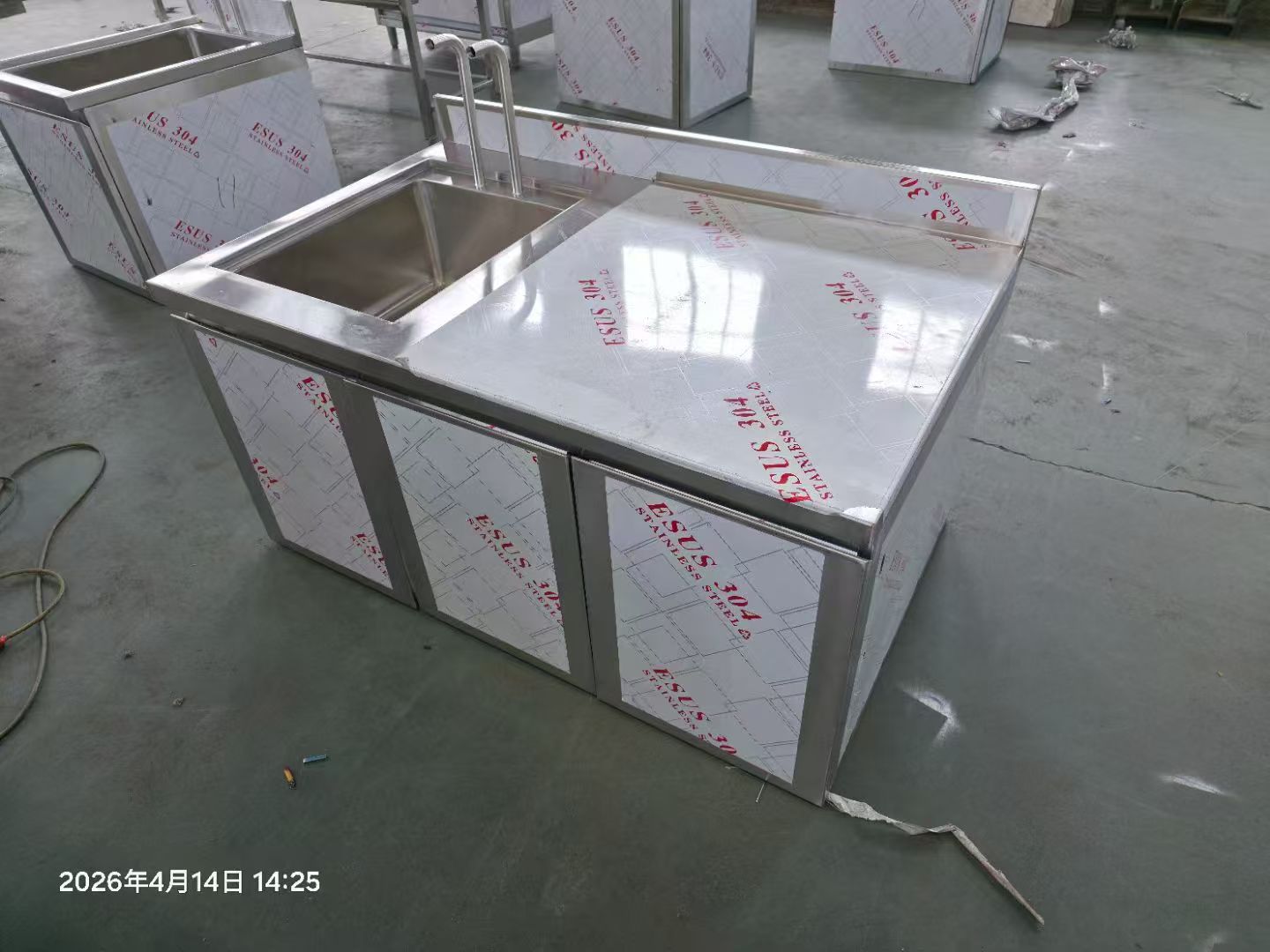
Commercial Stainless Steel Work Table Structure Guide
Work tables are the backbone of any commercial kitchen. Understanding their structural features and configuration options helps you choose the right tables for your operation.
Why Do Commercial Work Tables Need Backsplash Edges?
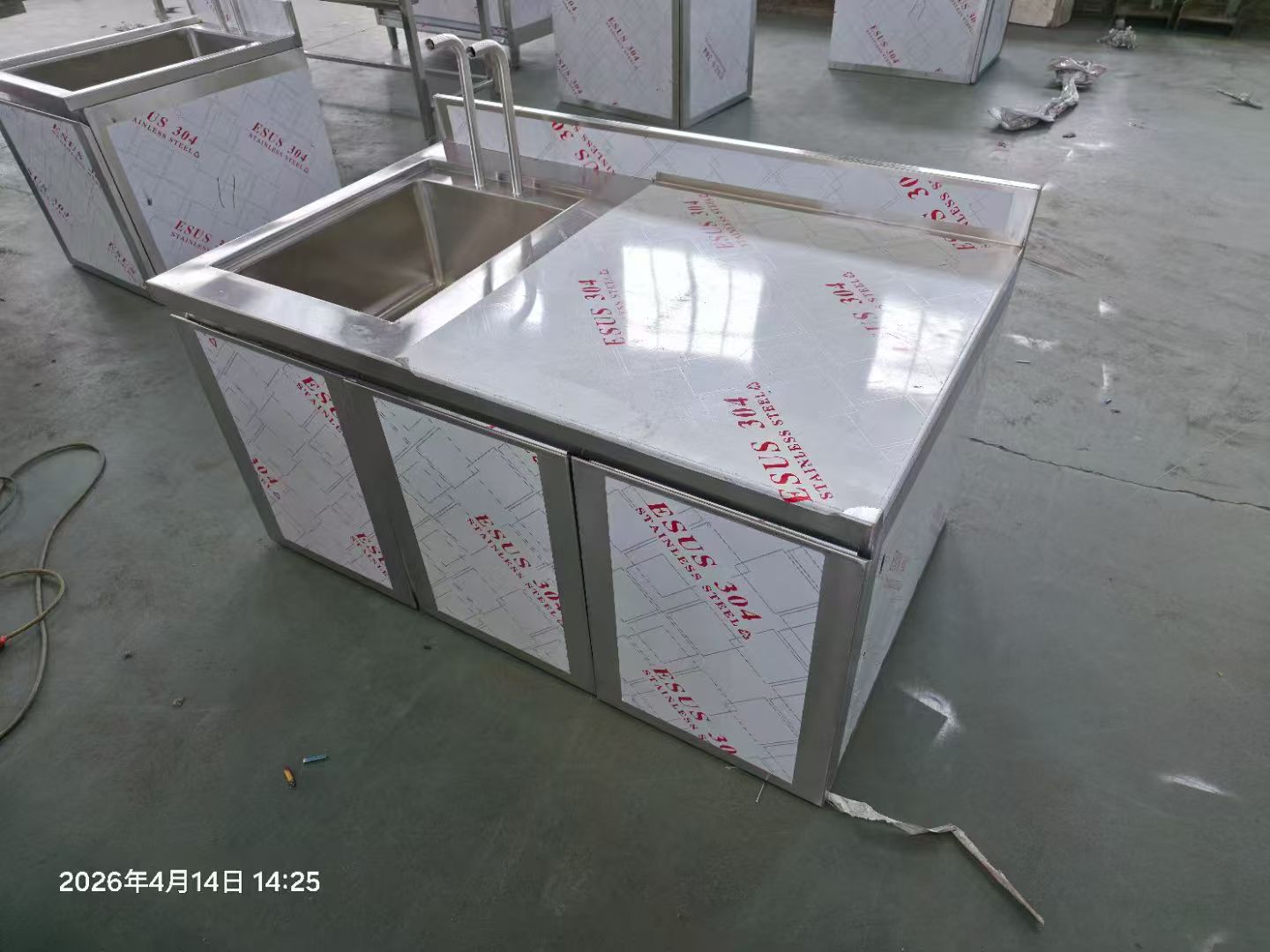
The backsplash (also called a back edge or upstand) is the raised lip along the rear edge of the work table surface. It serves critical functions:
1. Prevents Spills: Stops water, food debris, and liquids from running off the back of the table onto the wall.
2. Hygiene Compliance: Health department regulations require a seamless connection between the work surface and wall to prevent bacteria harborage.
3. Structural Rigidity: The raised edge adds strength to the tabletop, reducing flexing and warping.
Standard backsplash heights for work tables range from 50mm to 100mm. A 100mm backsplash is recommended for areas with heavy water use.
Welded vs Bolted Construction
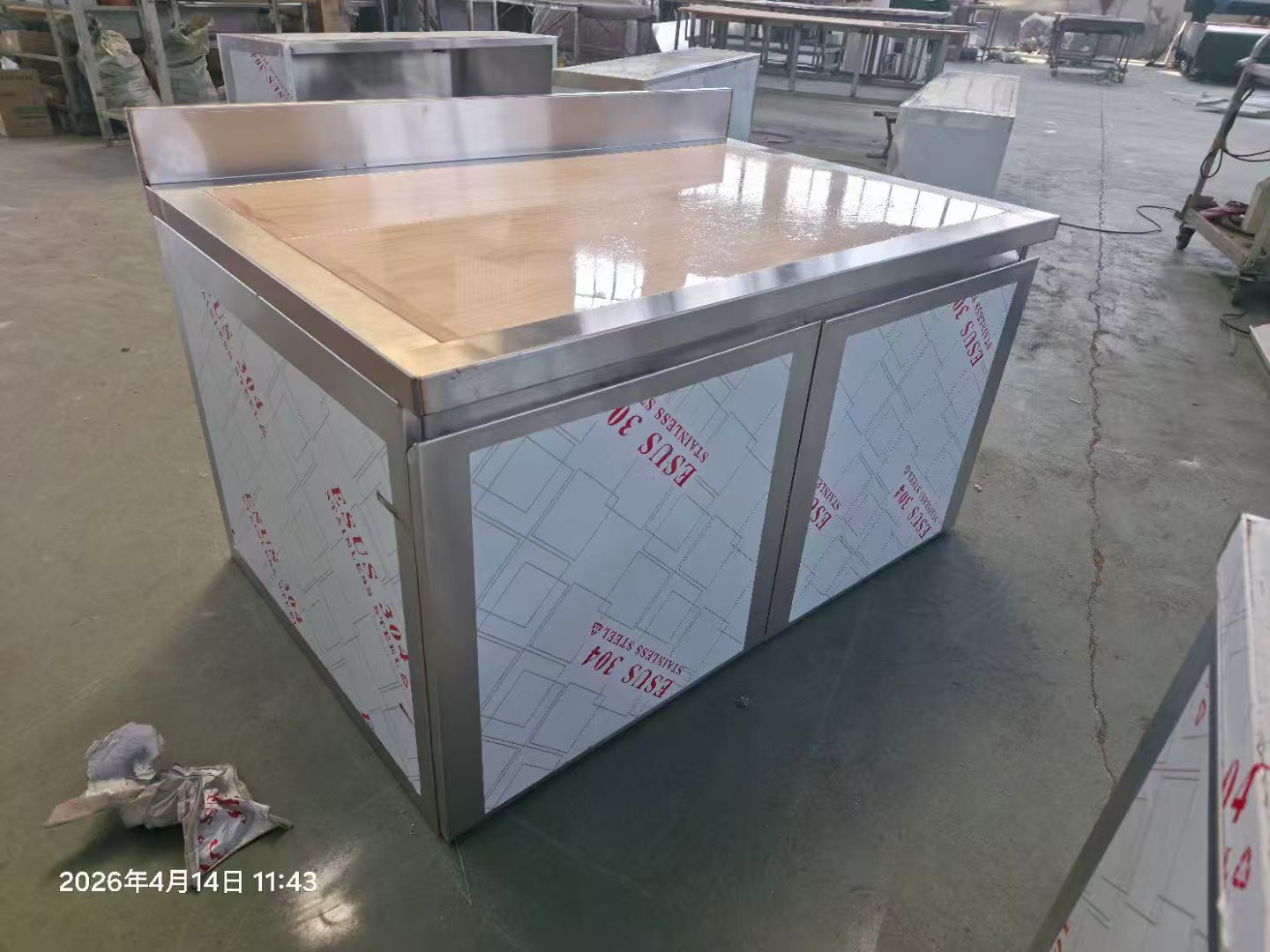
Welded construction: The table frame and legs are permanently joined by welding. This creates a rigid, stable structure that does not loosen over time. Welded tables are stronger and more durable, making them ideal for heavy-duty applications. The main disadvantage is that they cannot be disassembled for transport or storage.
Bolted construction: The frame components are joined with bolts and screws. This allows the table to be disassembled for easier shipping and installation in tight spaces. Bolted tables are generally less expensive to ship. However, bolts can loosen over time, requiring periodic tightening. The joints may also be less rigid than welded connections.
Recommendation: For permanent installations in commercial kitchens, welded construction is preferred for its superior strength and stability. Bolted construction is a good option for temporary setups, mobile kitchens, or when shipping costs are a major concern.
Work Table Configurations for Large vs Small Kitchens
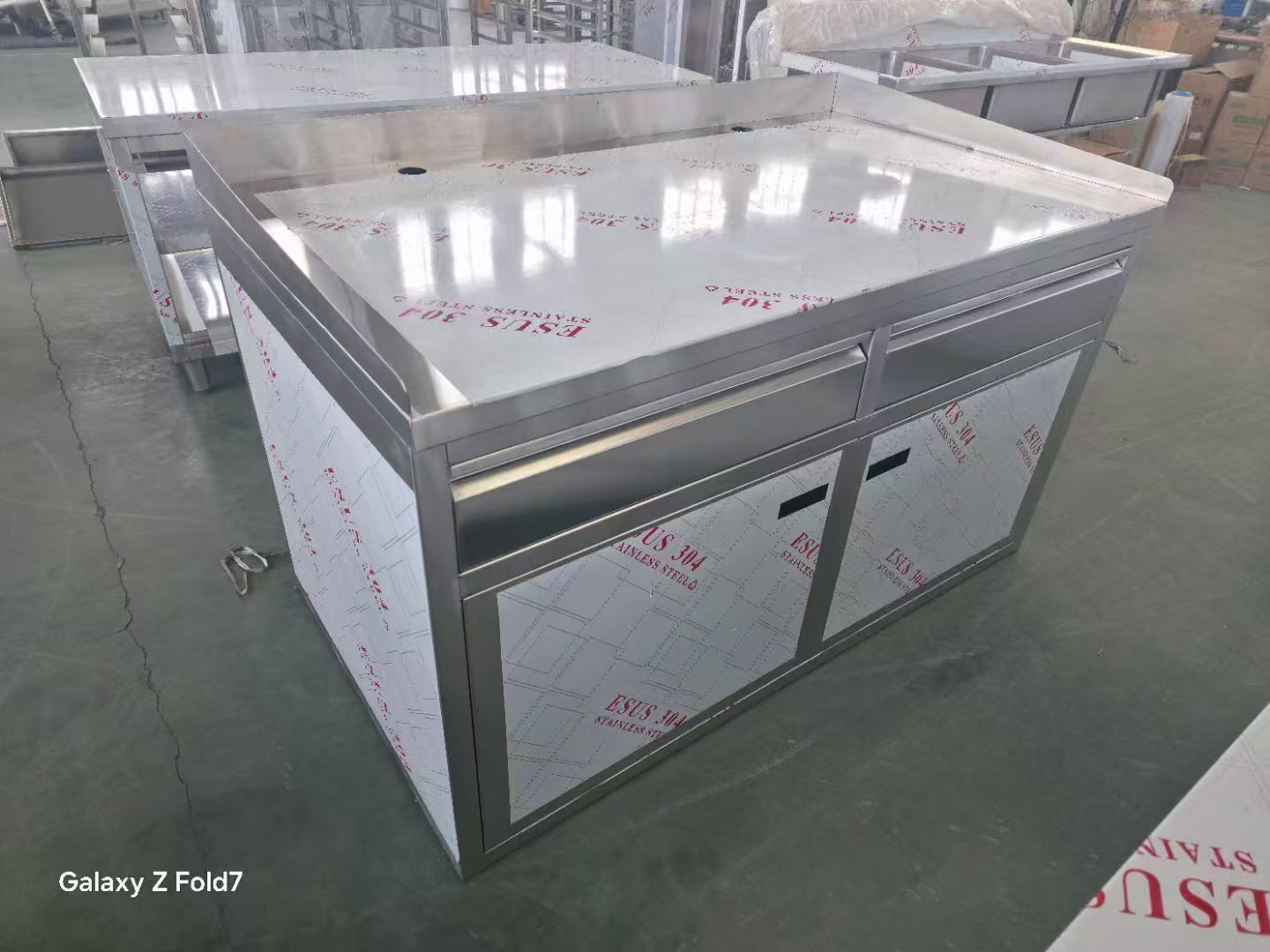
Small kitchens (under 50m²): Space is at a premium. Choose compact work tables with built-in storage underneath. Consider:
– Tables with lower shelves for storage
– Wall-mounted folding tables for flexible workspace
– Multi-purpose tables that combine prep and storage functions
– Standard sizes: 1200mm x 600mm, 1500mm x 700mm
Large kitchens (over 100m²): Focus on workflow efficiency and specialized functions. Consider:
– Dedicated prep tables with sinks integrated
– Tables with drawers and cabinets for organized storage
– Larger surface areas: 1800mm x 800mm, 2000mm x 900mm
– Custom configurations with multiple workstations
Medium kitchens (50-100m²): Balance space efficiency with functionality. A mix of standard and specialized tables usually works best.
Frequently Asked Questions
Why do commercial work tables have a raised back edge?
The backsplash prevents spills from running onto the wall, meets health department hygiene requirements, and adds structural rigidity to the tabletop.
Are welded or bolted work tables better?
Welded tables are stronger and more durable for permanent installations. Bolted tables are easier to ship and install in tight spaces but may require periodic tightening.
What size work table do I need for a small kitchen?
For small kitchens, compact tables of 1200mm x 600mm or 1500mm x 700mm with built-in storage are recommended.
What is the standard backsplash height for work tables?
Standard backsplash heights range from 50mm to 100mm. A 100mm backsplash is recommended for areas with heavy water use.
Related Products
Explore our range of stainless steel kitchen equipment:
Request a Quote
Fill out the form below and we’ll get back to you within 24 hours with a competitive quote.