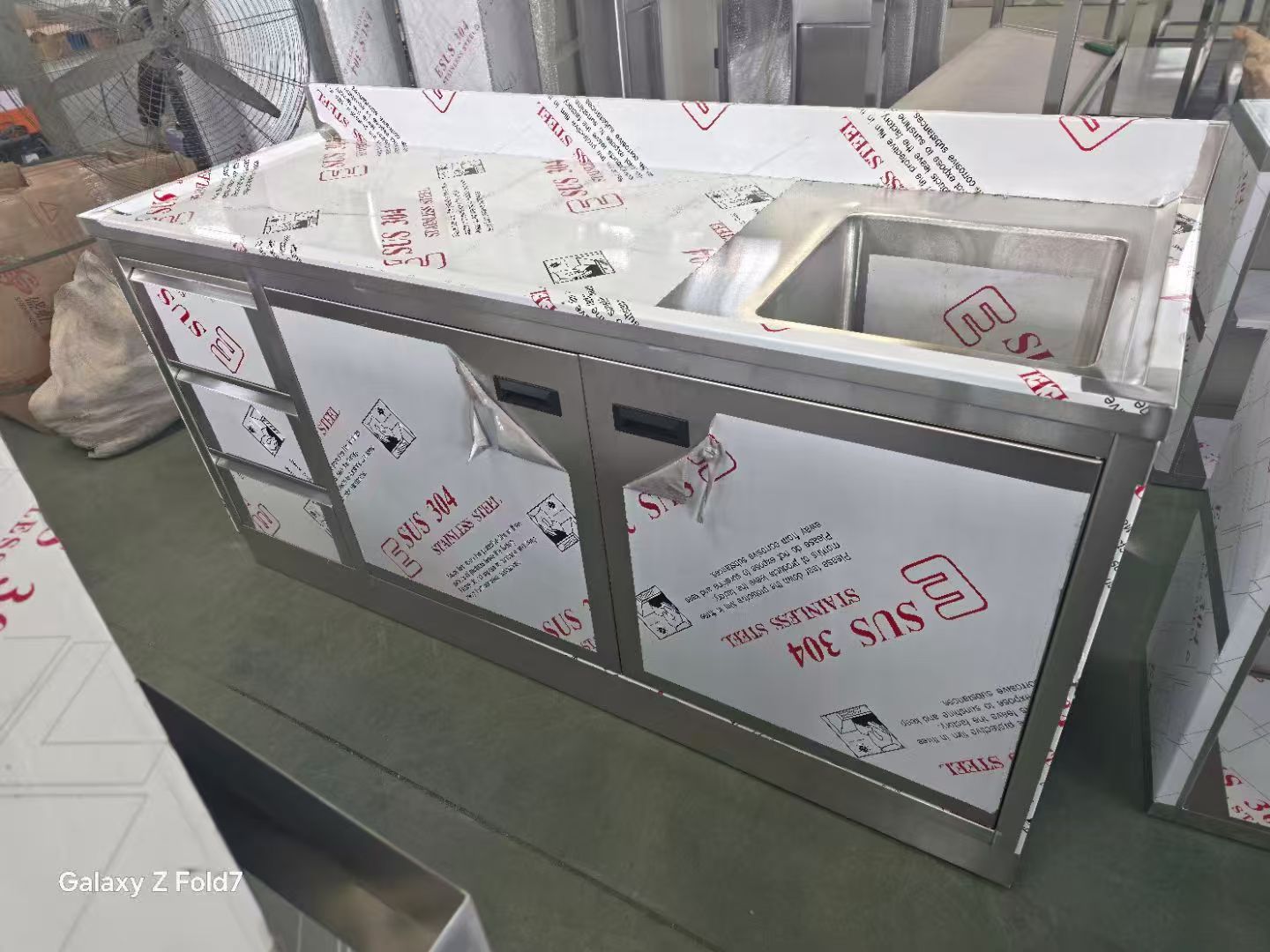
Commercial Stainless Steel Shelving Buying Guide
Stainless steel shelving is essential for organized storage in commercial kitchens. Understanding load capacity, shelf design, and height selection ensures you choose the right shelving system.
How to Calculate Shelving Load Capacity
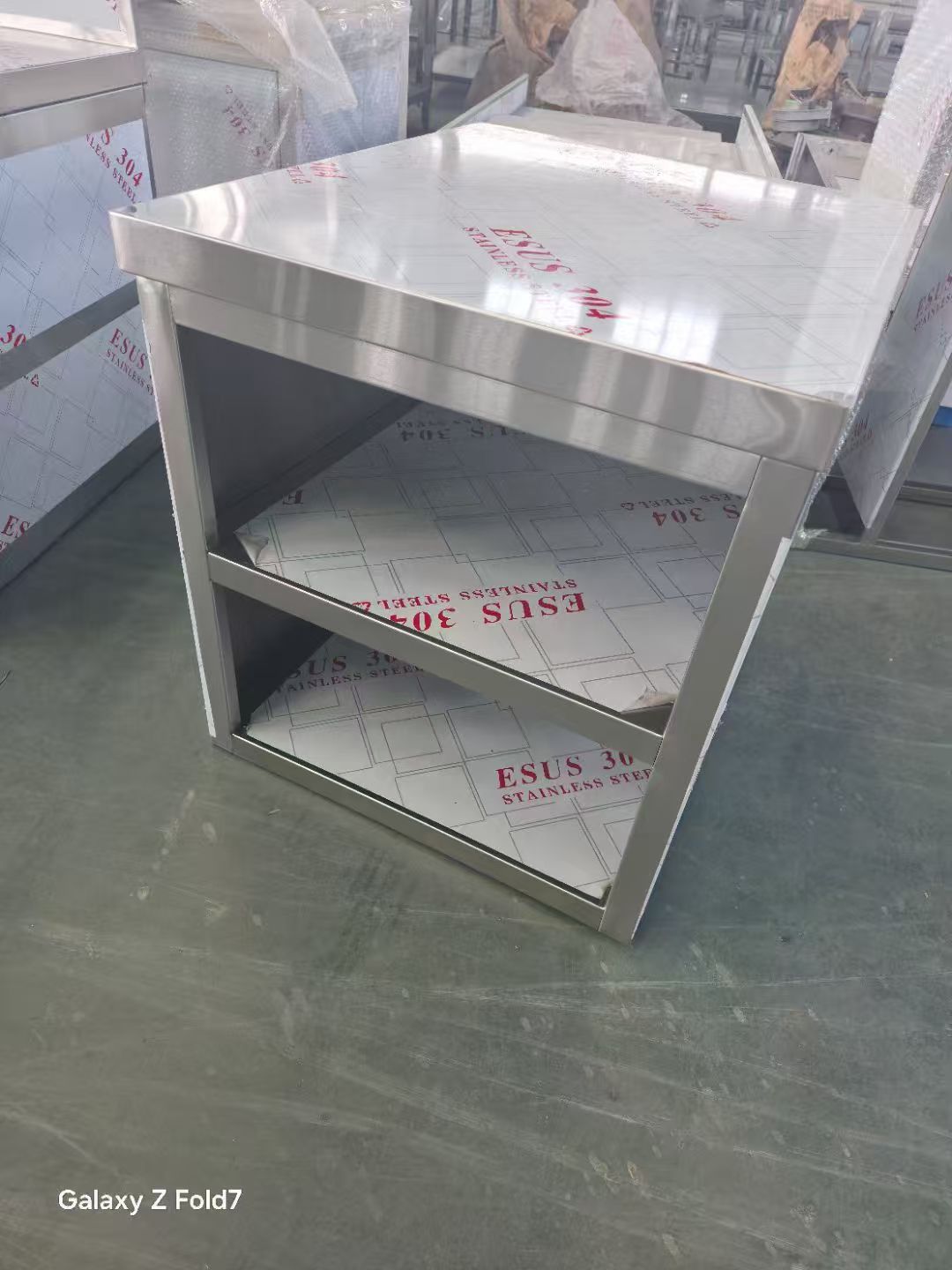
Load capacity is determined by several factors:
1. Shelf Material Thickness: Thicker stainless steel (1.0mm vs 0.8mm) supports more weight. A 1.0mm shelf typically supports 100-150kg per level, while 1.2mm supports 150-200kg.
2. Shelf Width and Span: Wider shelves with longer unsupported spans have lower load capacity. A 900mm wide shelf supports less weight than a 600mm wide shelf of the same material.
3. Support Structure: Shelves with additional cross-bracing or center supports can handle significantly more weight.
4. Number of Uprights: Four-post shelving systems are stronger than two-post systems.
Calculation formula: Load capacity = Material strength × Shelf area ÷ Safety factor. For commercial use, always apply a safety factor of at least 2x the expected load.
What is the Purpose of Perforated Shelves?
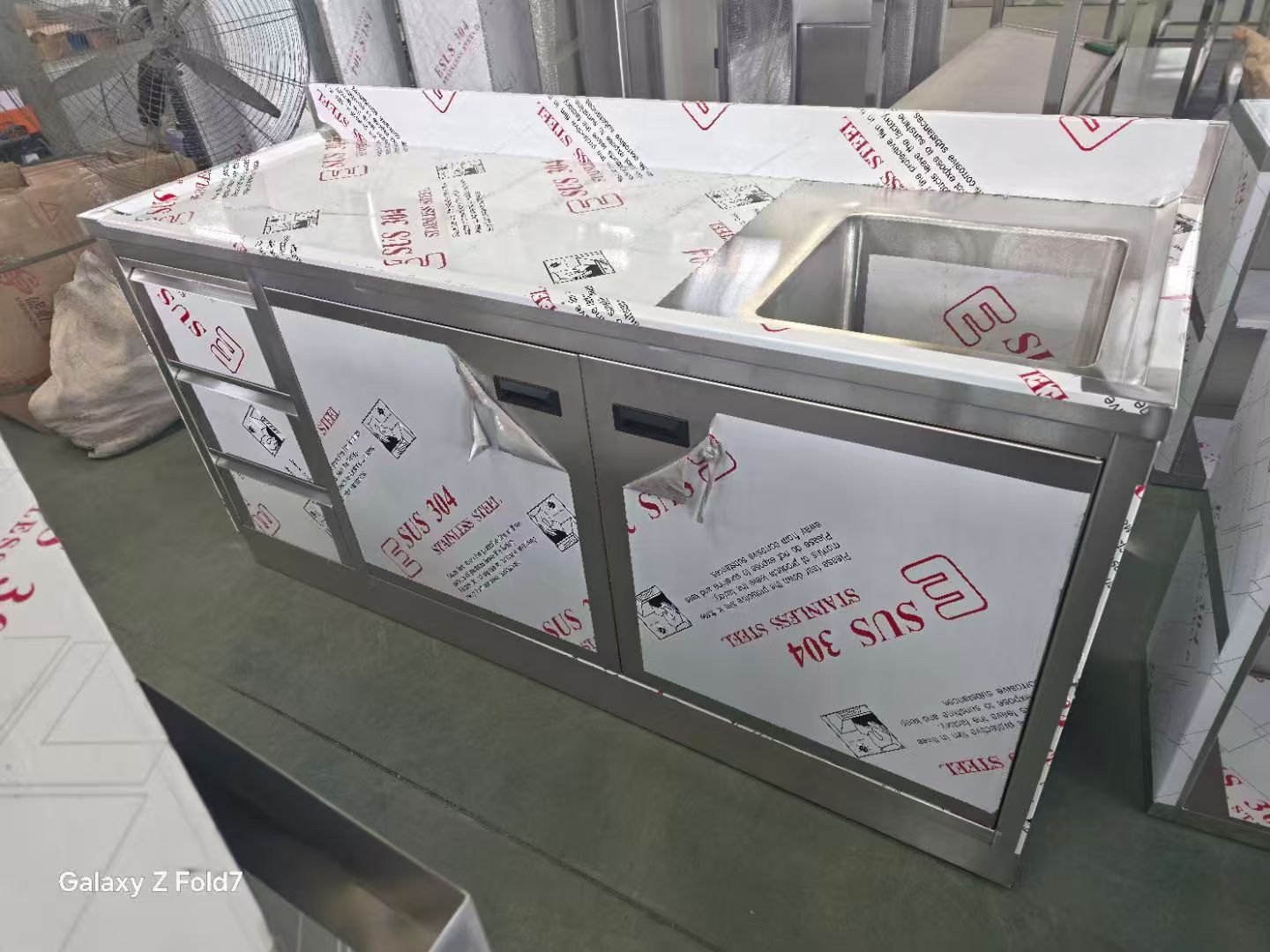
Perforated (punched) shelves have small holes across the surface. They offer several advantages:
1. Air Circulation: Holes allow air to flow through, preventing moisture buildup and reducing the risk of mold and bacteria growth.
2. Drainage: Liquids drain through the holes, keeping stored items dry.
3. Weight Reduction: Perforated shelves are lighter, making them easier to handle and reducing shipping costs.
4. Dust Prevention: The holes allow dust and debris to fall through rather than accumulating on the shelf surface.
Perforated shelves are ideal for storing produce, freshly washed items, and any products that need ventilation.
How to Choose Shelf Height
Shelf height selection depends on your kitchen’s ceiling height and the types of items you store:
Standard shelving units: Available in heights of 1200mm, 1500mm, 1800mm, and 2000mm.
Low-profile shelving (1200mm): Suitable for under-counter storage or areas with low ceilings.
Medium-height shelving (1500-1800mm): Most common for general kitchen storage. Allows easy access to all shelves without a step stool.
Tall shelving (2000mm+): Maximizes vertical storage space but requires a step stool for upper shelves. Best for dry goods storage in larger kitchens.
Adjustable shelves: Choose shelving with adjustable shelf positions to accommodate items of different heights.
Frequently Asked Questions
How much weight can commercial stainless steel shelving hold?
Load capacity varies by design. Standard 1.0mm shelves typically support 100-150kg per level, while heavy-duty 1.2mm shelves support 150-200kg per level.
Why do some shelves have holes in them?
Perforated shelves allow air circulation and drainage, preventing moisture buildup and reducing the risk of mold and bacteria growth.
What height shelving should I choose?
For most kitchens, 1500-1800mm shelving is recommended. Choose taller units (2000mm+) for maximizing vertical storage in larger kitchens.
Are four-post or two-post shelving systems stronger?
Four-post systems are significantly stronger and more stable, making them the preferred choice for commercial kitchens.
Related Products
Explore our range of stainless steel kitchen equipment:
Request a Quote
Fill out the form below and we’ll get back to you within 24 hours with a competitive quote.