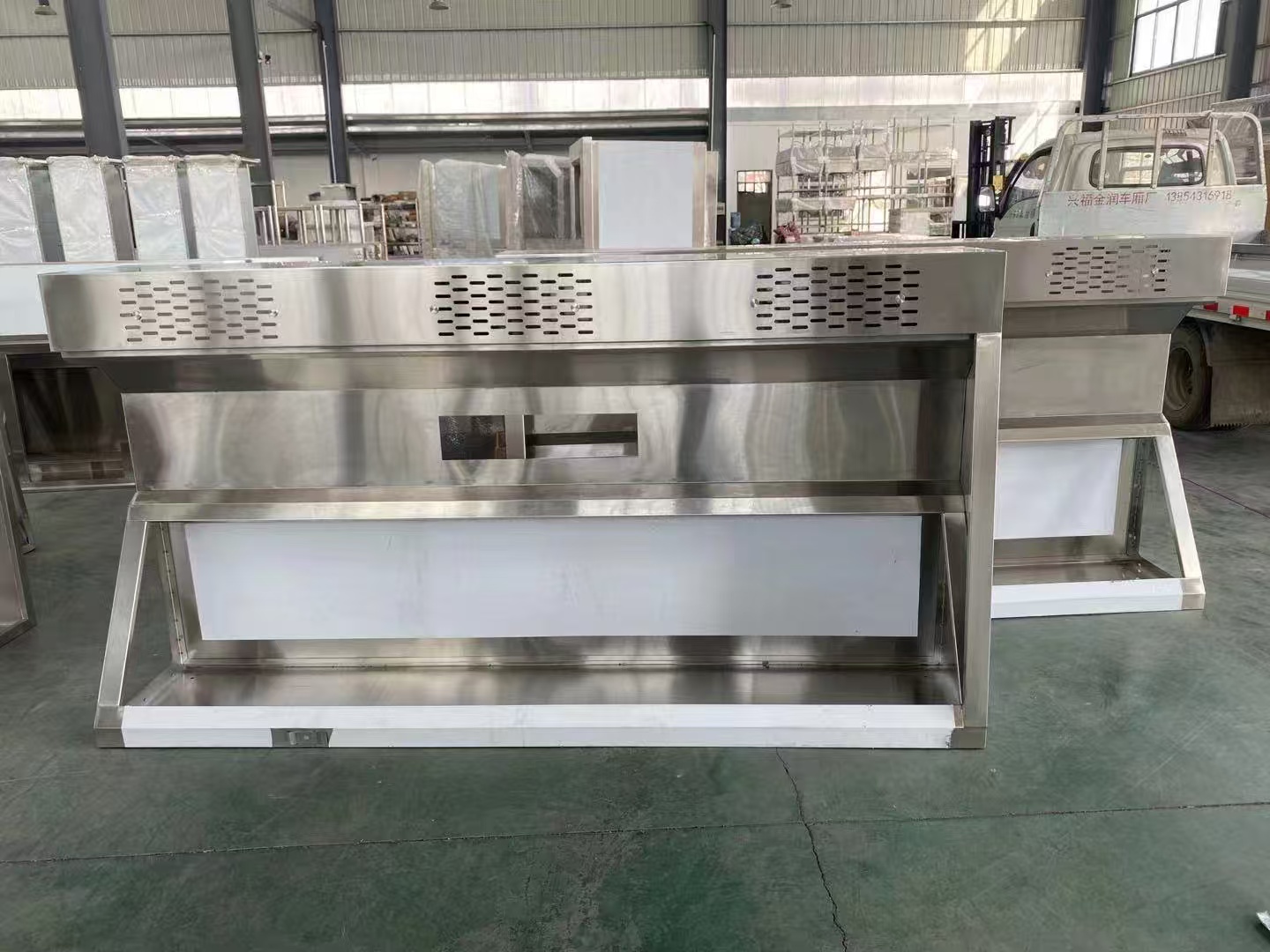
Commercial Range Hood and Ventilation System Buying Guide
Proper ventilation is critical for commercial kitchens. A well-designed range hood system removes heat, smoke, grease, and odors while maintaining a safe and comfortable working environment.
How to Calculate Exhaust Volume for Commercial Range Hoods
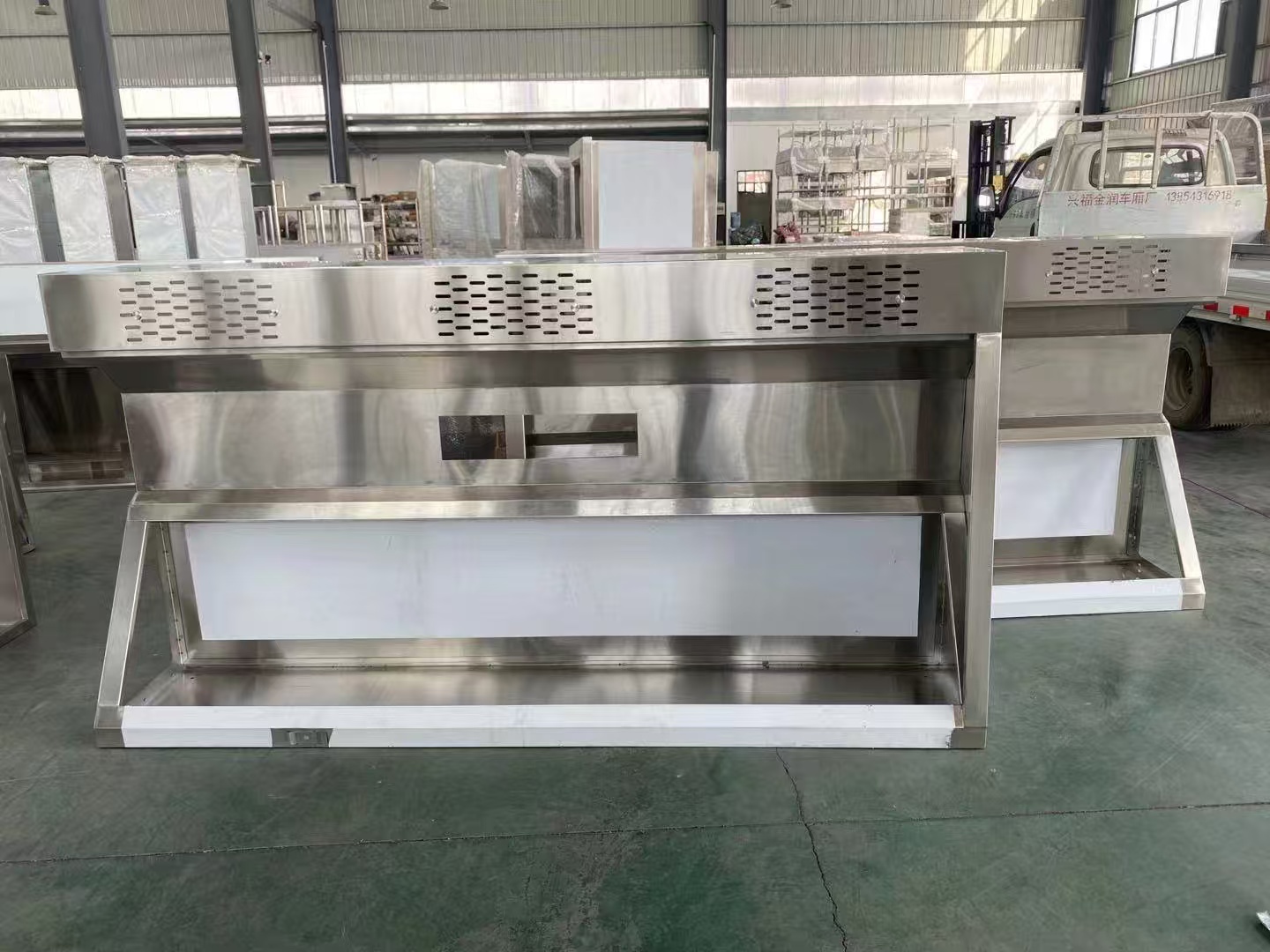
Size commercial kitchen exhaust from the cooking appliance duty, hood type and tested performance, capture and containment, duct route, make-up air, fire protection and the applicable local requirements. Obtain a coordinated design and the selected hood manufacturer’s airflow data; a single floor-area or hood-size formula is not a universal commercial design rule.
Method 1: Based on Kitchen Area
Method 2: Based on Cooking Equipment
For range hoods directly over cooking equipment, use the following guidelines:
Method 3: Based on Hood Size
Important: These are basic guidelines. For accurate calculations, consult with a professional ventilation engineer who can account for duct length, elbows, and local building codes.
Make-Up Air Systems vs Standard Range Hoods
Standard range hoods: Simply exhaust air from the kitchen to the outside. They do not provide replacement air, which can create negative pressure in the building.
Make-up air systems: Include a separate air supply system that brings fresh, tempered air into the kitchen to replace the exhausted air. This prevents negative pressure, which can cause:
– Backdrafting of exhaust gases from water heaters and furnaces
– Difficulty opening doors
– Uncomfortable drafts
– Reduced exhaust efficiency
How to Choose Grease Filters
Grease filters are critical for fire safety and air quality. Key considerations:
Filter material:
– Stainless steel baffle filters: Most common for commercial use. Durable, easy to clean, and highly effective at capturing grease.
– Aluminum mesh filters: Lighter and less expensive, but less durable and less effective than stainless steel.
Filter size: Filters should match the hood dimensions. Standard sizes include 16″ x 16″, 16″ x 20″, and 20″ x 20″.
Cleaning frequency: Grease filters should be cleaned at least weekly in high-volume kitchens. Many health departments require monthly cleaning records.
Replacement: Stainless steel baffle filters typically last 3-5 years with proper maintenance. Replace filters when they show signs of corrosion or damage.
Frequently Asked Questions
How do I calculate the CFM needed for my commercial range hood?
Do I need a make-up air system?
What type of grease filter is best for commercial kitchens?
Stainless steel baffle filters are the best choice for commercial use due to their durability, effectiveness, and ease of cleaning.
How often should grease filters be cleaned?
Grease filters should be cleaned at least weekly in high-volume kitchens. Many health departments require monthly cleaning records.
Related Products
Explore our range of stainless steel kitchen equipment:
Request a Quote
Fill out the form below and we’ll get back to you within 24 hours with a competitive quote.
Related Reading
Technical reference: CaptiveAire hood operation and installation manual.