Fake Test Reports and Certificates: How to Spot Them Before You Wire Money
Fake certificates are one of the most dangerous scams in international trade. A supplier shows you a convincing NSF, CE, or UL certificate, you wire the money, and later discover the certificate was photoshopped – and your equipment doesn’t meet safety standards. Here’s how to spot fake test reports before it’s too late.
Why Certificates Matter
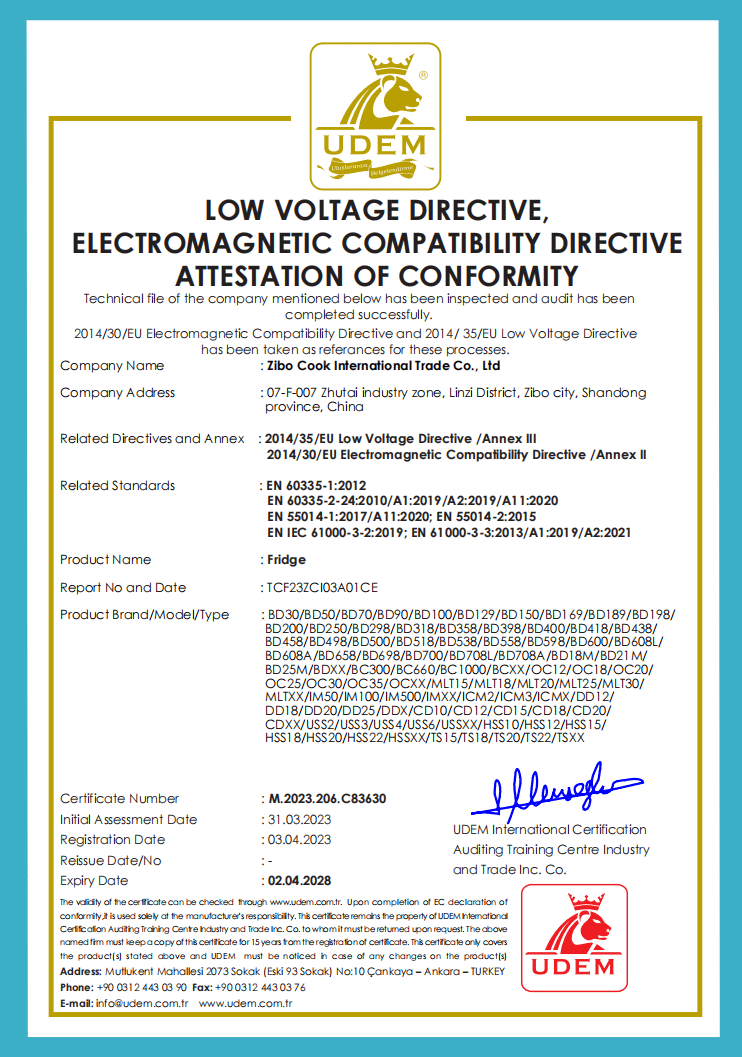
Required conformity evidence depends on equipment type, destination and local acceptance. Verify the exact model and standard with the issuer or regulator. CE marking is a manufacturer declaration under applicable EU legislation rather than a universal third-party certificate.
Common Certificate Problems: Forgery, Expiry and Wrong Scope
- Photoshopped certificates – Edited images of real certificates
- Expired certificates – A genuine document may no longer provide current evidence; expiry alone does not make it a forgery.
- Wrong-scope certificates – Certified for one product, claimed for another
- Fake issuing bodies – Certificates from organizations that don’t exist
How to Verify a Certificate
1. Contact the Issuing Body Directly
Search the official listing database using the legal holder, model and standard. A missing or mismatched result needs investigation and direct confirmation with the issuing body; it is not by itself proof of forgery. CE conformity documents follow a different route from NSF or UL listings.
2. Check the Certificate Number
Check the certificate, report or listing identifier where provided, and confirm the legal holder, model, standard and current scope with the issuer. Document formats and expiry conventions vary; an identifier alone does not prove applicability.
3. Look for Signs of Editing
Inconsistent fonts, misaligned logos or pixelation can justify further checks. Scanning and compression can cause similar artifacts, so appearance alone does not prove forgery.
4. Verify the Issuing Body Exists
Some scammers invent certification bodies. Research the organization – does it have a real website, a physical address, and a verification process?
What to Do If You Suspect a Fake
Request the original document and verify the issuer through independently obtained official contact details. Unexplained discrepancies require investigation. A delay or refusal alone does not prove fraud; resolve material uncertainties before payment.
Learn More About Certifications
Understand the full landscape of commercial kitchen equipment certifications and how to verify a supplier’s NSF certificate .
Protect Your Investment
For the complete safe import process, including certification verification, read How to Safely Import Commercial Kitchen Equipment from China.
Zibo Cook’s Approach
For the exact model and destination, request the applicable EU Declaration of Conformity and supporting documents. CE marking is the manufacturer’s conformity declaration under applicable legislation, not a general third-party safety approval. For an NSF-listed item supplied through a partner factory, verify the model, listing holder and producing facility before ordering. Confirm the MOQ, sample schedule, production schedule and any DDP scope in the current written quotation. Zibo Cook commercial refrigerators freezers Contact us
Send the product or drawing, quantity, destination and required date. Ask us to confirm the configuration, applicable documentation and itemized delivery scope.